

What is a Clay Ash Powder Pneumatic Conveying Equipment? And What Are Its Design Principles?
This equipment is specifically designed for the efficient handling and transportation of clay ash powders, a common material in industrial processes. The system utilizes pneumatic conveying technology, which involves the use of air or gas to move powders through a pipeline. This method offers several advantages over traditional mechanical conveying systems, such as reduced maintenance, lower risk of product contamination, and the ability to handle materials that are difficult to transport by other means.
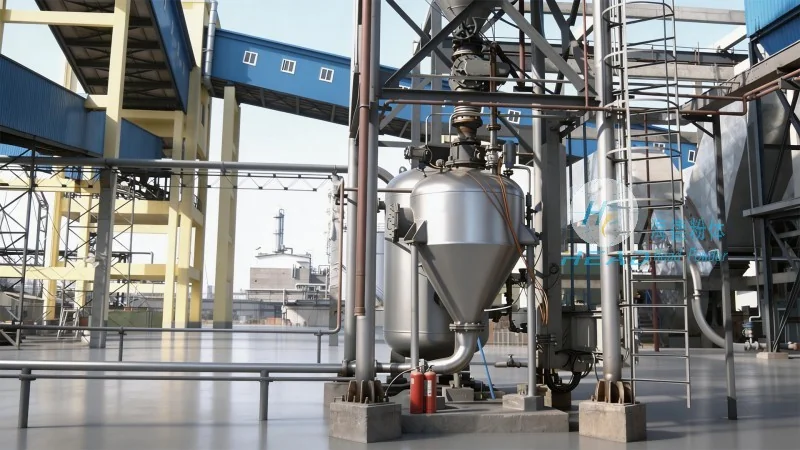
Key Components and Working Principle
The core components of a clay ash powder pneumatic conveying system typically include a hopper for material storage, a feeder to control the flow rate, a conveying line (often made of stainless steel or other corrosion-resistant materials to prevent material degradation), a compressor or blower to generate the air flow, and a receiver or collection unit at the destination. The working principle involves feeding the clay ash powder into the hopper, where it is then drawn into the conveying line by the air flow generated by the compressor. The air and powder mixture travels through the pipeline to the receiving end, where the powder is separated from the air and collected.
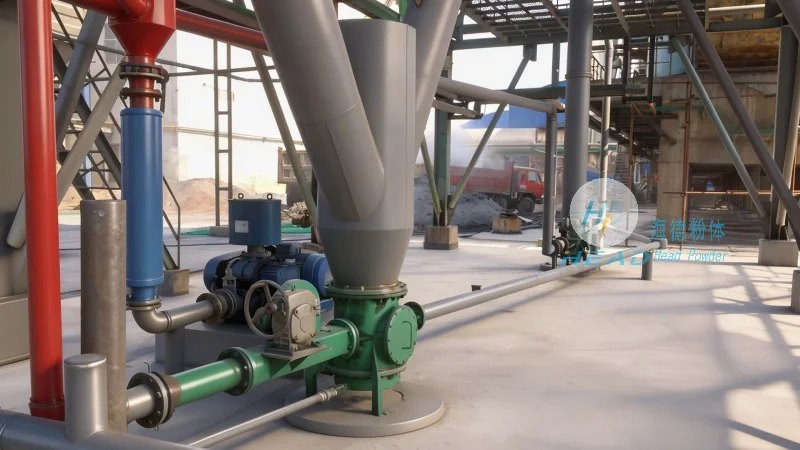
Design Principles for Efficient Operation
The design of clay ash powder pneumatic conveying equipment follows several key principles to ensure optimal performance. One critical principle is the selection of appropriate air velocity, which must be high enough to prevent material settling in the pipeline but low enough to avoid excessive wear and energy consumption. The system's design also considers the particle size and density of the clay ash powder, as these factors influence the required air pressure and flow rate. Additionally, the equipment is engineered to minimize pressure drop along the conveying line, which is essential for maintaining consistent material flow and reducing energy costs. The use of corrosion-resistant materials in the construction of the conveying line is another important design consideration, as clay ash powders can be abrasive and may contain acidic components that could damage standard metal pipes.
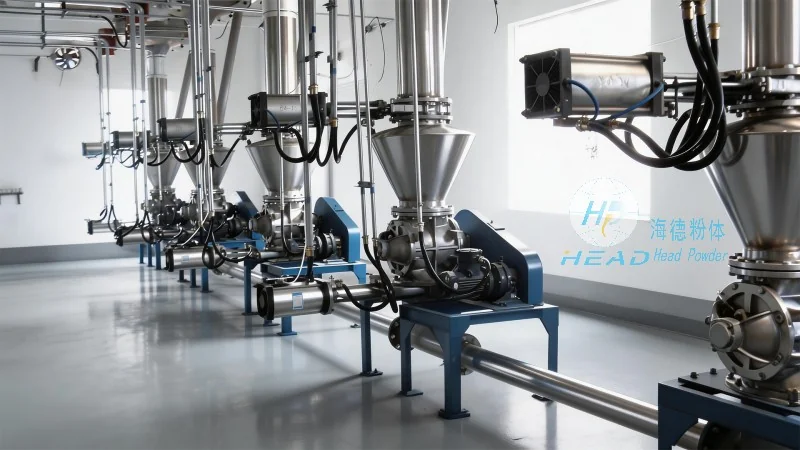
Applications and Benefits in Industrial Settings
Clay ash powder pneumatic conveying equipment is widely used in various industrial applications, including power plants, cement factories, and chemical processing facilities. In power plants, it is used to transport fly ash from boilers to storage silos or for reuse in cement production. In cement factories, the equipment helps in the efficient handling of raw materials like clay and ash, which are essential for cement production. The benefits of using this equipment include improved safety, as it eliminates the need for manual handling of powders, reduced labor costs, and enhanced product quality due to the prevention of contamination. Furthermore, the system's ability to handle large volumes of material efficiently makes it ideal for high-throughput industrial operations.
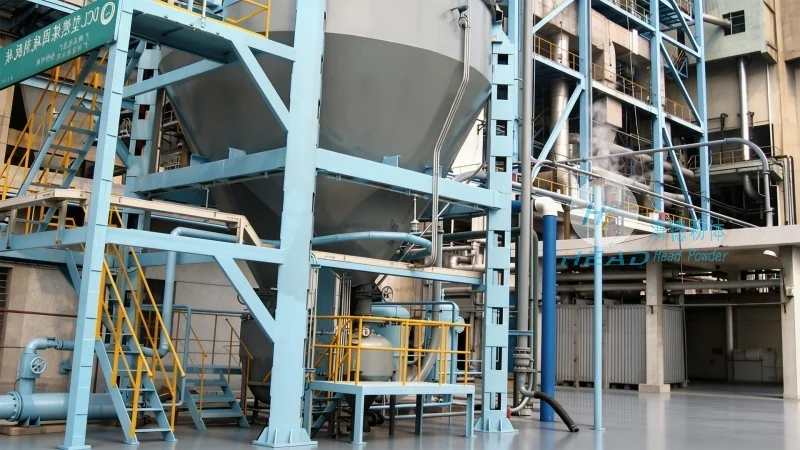
Company Overview: Shandong HeadPowder Engineering Co., Ltd.
Shandong HeadPowder Engineering Co., Ltd., commonly known as HeadPowder, is a leading manufacturer and supplier of pneumatic conveying equipment. With its headquarters located in Shandong, China, the company specializes in designing and producing customized solutions for various powder handling applications. HeadPowder's team of engineers and technicians leverages advanced technology and years of industry experience to develop equipment that meets the specific needs of clients. The company's commitment to quality and innovation has made it a trusted partner for businesses in the power, cement, and chemical industries. By providing reliable and efficient clay ash powder pneumatic conveying systems, HeadPowder helps its clients improve operational efficiency and reduce costs while ensuring compliance with industry standards and regulations.