

What is an Embolism-Type Material Handling System? And What Are Its Design Principles?
Embolic material handling systems are specialized equipment designed for the efficient and controlled transport of bulk materials, often in industrial settings. These systems operate on the principle of creating a controlled, intermittent flow of material, which is crucial for applications where precise control over material movement is required. The term "embolism" in this context refers to the concept of a blockage or controlled interruption in the material flow, enabling precise dosing and processing. This type of system is widely used in industries such as pharmaceuticals, food processing, and chemical manufacturing, where accuracy and consistency in material handling are paramount.
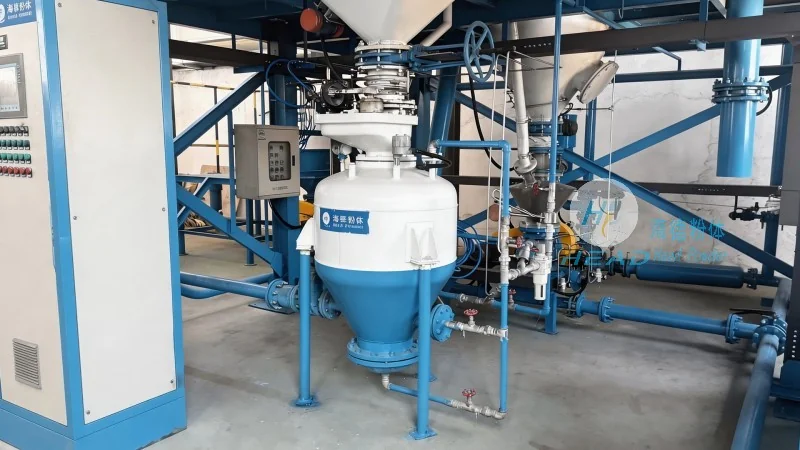
HeadPowder, a leading manufacturer based in Shandong, China, specializes in the design and production of such advanced material handling systems. The company's expertise lies in integrating cutting-edge technology with robust engineering to deliver systems that meet the stringent requirements of modern industrial applications. With a strong presence in the market, HeadPowder has established itself as a trusted partner for businesses seeking reliable and efficient material handling solutions.
Core Components and Operational Principles
The embolism-type material handling system typically consists of several key components that work in tandem to achieve precise material transport. The primary components include a hopper or feed hopper, a dosing mechanism (such as a rotary valve or screw feeder), a conveyor or transport section, and a control system. The hopper is responsible for storing the bulk material, while the dosing mechanism regulates the flow rate by creating controlled interruptions in the material stream. This dosing mechanism is the heart of the system, as it determines the accuracy and consistency of material delivery.
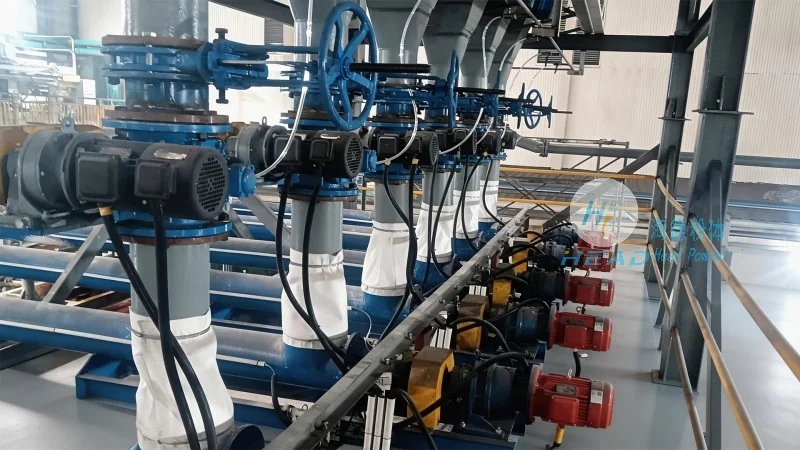
The operational principle revolves around the controlled release of material. When the system is activated, the dosing mechanism opens to allow a predetermined amount of material to flow into the transport section. The mechanism then closes, creating an interruption or "embolism" in the flow. This cycle repeats at a set frequency, ensuring that the material is transported in precise, measurable quantities. The control system plays a critical role in managing this cycle, adjusting parameters such as flow rate, cycle time, and material volume based on operational needs. This level of control is essential for applications that require consistent dosing, such as in pharmaceutical manufacturing where precise dosing of active ingredients is critical.
Design Principles and Engineering Considerations
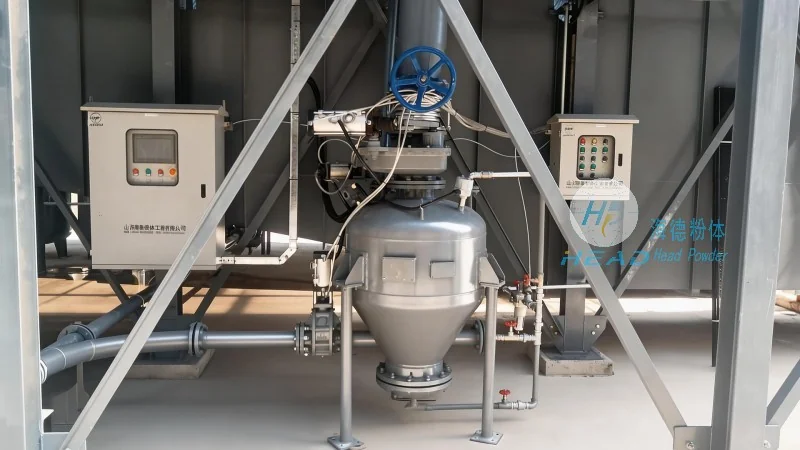
The design of an embolism-type material handling system involves several key principles aimed at optimizing performance, reliability, and efficiency. One of the primary design considerations is the need for precise control over material flow. This is achieved through the selection of appropriate dosing mechanisms, such as rotary valves or screw feeders, which are engineered to provide consistent and repeatable dosing rates. The design also emphasizes the durability and wear resistance of components, as they are exposed to abrasive bulk materials over extended periods. Materials such as stainless steel and high-grade alloys are commonly used for critical components to ensure longevity and maintain product purity, especially in industries like food and pharmaceuticals.
Another crucial design principle is the integration of safety features. The system is designed with safety mechanisms to prevent overfilling, material blockages, and other potential hazards. For example, the control system includes sensors that monitor the material level in the hopper and the flow rate from the dosing mechanism. If an abnormal condition is detected, the system automatically shuts down to prevent accidents or equipment damage. This safety aspect is particularly important in industrial environments where human operators are present and where material handling errors can have significant consequences.
Applications and Industry Impact
Embolic material handling systems find wide application across various industries due to their ability to provide precise and controlled material transport. In the pharmaceutical industry, these systems are used for the dosing of active pharmaceutical ingredients (APIs) and excipients, ensuring that each batch meets the strict quality and dosage requirements. The precision of the system helps in maintaining batch-to-batch consistency, which is critical for regulatory compliance and patient safety. In the food processing industry, the systems are employed for handling dry ingredients like flour, sugar, and spices, where consistent dosing is essential for product quality and flavor consistency.
In the chemical manufacturing sector, embolism-type material handling systems are used for the transport of powders and granules, such as in the production of fertilizers, pigments, and specialty chemicals. The ability to control the flow rate and volume of material helps in optimizing production processes and reducing waste. Additionally, the systems are used in the mining and mineral processing industries for handling raw materials like ores and minerals, where efficient transport is vital for downstream processing.
Advantages and Benefits
Implementing an embolism-type material handling system offers several advantages to industrial operations. The primary benefit is the enhanced precision and consistency in material handling, which leads to improved product quality and reduced waste. By ensuring that each batch is processed with the correct amount of material, the system minimizes the risk of underdosing or overdosing, which can affect product performance and safety. This precision is particularly valuable in industries where regulatory compliance is a major concern, as it helps in meeting stringent quality standards.
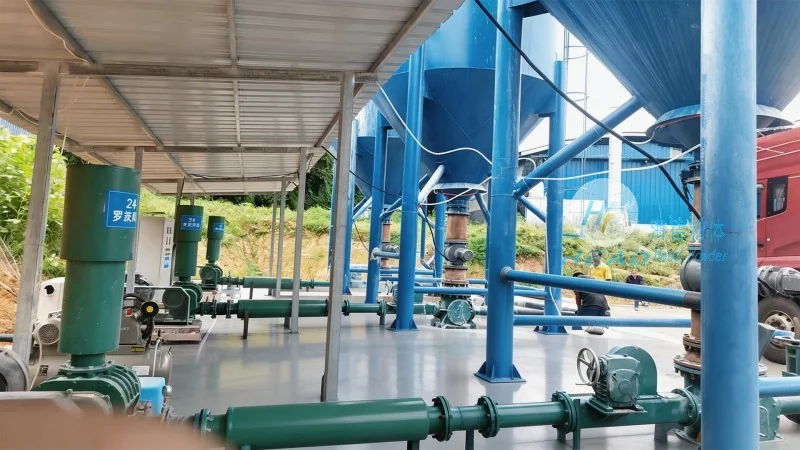
Another significant advantage is the improved operational efficiency. The controlled flow of material reduces the need for manual intervention and reduces downtime associated with material blockages or overfilling. The automated control system allows for seamless operation, with minimal human intervention required. This not only increases productivity but also reduces labor costs and the risk of human error. Additionally, the robust design of the system ensures long-term reliability, with components engineered to withstand the rigors of continuous operation in harsh industrial environments.
Conclusion
Embolic material handling systems represent a sophisticated solution for the precise and controlled transport of bulk materials in industrial applications. The design principles and engineering considerations behind these systems focus on accuracy, reliability, and safety, making them indispensable in industries such as pharmaceuticals, food processing, and chemical manufacturing. HeadPowder, with its expertise and commitment to quality, continues to lead in the development and production of such advanced systems, providing businesses with the tools they need to enhance their operational efficiency and product quality. As industries continue to demand higher standards of precision and consistency, the role of embolism-type material handling systems will only become more critical in driving industrial progress.