

What is a Quantitative Feeding Material Handling System Equipment? What are its Design Principles?
Quantitative feeding material handling systems are specialized equipment designed to accurately and consistently deliver bulk materials in controlled quantities. These systems are crucial in various industrial applications where precise material flow is essential for process efficiency and product quality. The core function of such systems is to ensure that the right amount of material is fed at the right time, minimizing waste and optimizing production throughput.
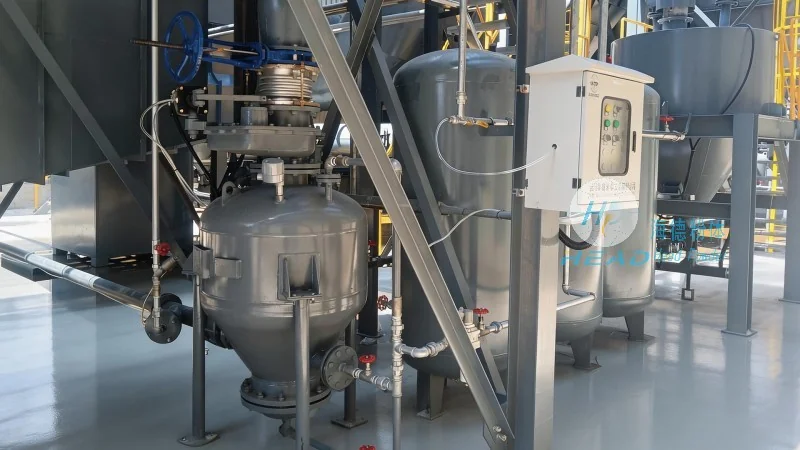
Key Components of Quantitative Feeding Systems
At the heart of a quantitative feeding system are several key components that work in tandem to achieve precise material handling. The primary components include a hopper or storage bin to hold the bulk material, a feeding mechanism (such as a screw feeder, belt feeder, or vibratory feeder) that controls the flow rate, and a control system that regulates the feeding process based on operational parameters. The hopper is typically designed with a sloped bottom to facilitate material discharge, while the feeding mechanism is calibrated to deliver material at a rate that matches the downstream processing requirements.
Design Principles for Accurate Material Feeding
The design principles of quantitative feeding systems revolve around precision, reliability, and adaptability. Precision is achieved through careful engineering of the feeding mechanism, ensuring that the material flow rate can be adjusted within tight tolerances. Reliability is ensured by using durable materials and robust construction, which withstand the rigors of continuous operation in industrial environments. Adaptability is key, as these systems must be able to handle a wide range of materials, from powders and granules to bulk solids, with minimal adjustments.
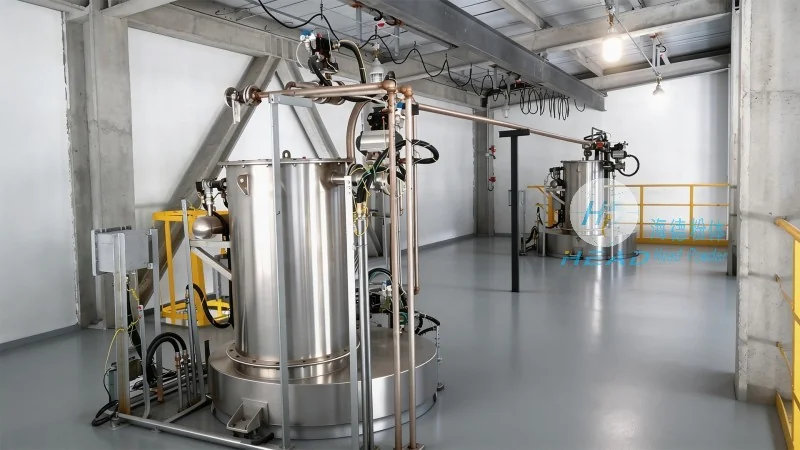
Control Systems and Automation in Feeding Processes
Modern quantitative feeding systems often incorporate advanced control systems that enhance their performance and efficiency. These systems may include sensors to monitor material levels, flow rates, and pressure, as well as programmable logic controllers (PLCs) that adjust the feeding mechanism in real-time based on feedback from the process. Automation allows for consistent operation, reduces human error, and enables integration with larger production lines or process control systems. The control system may also include features such as overfeed protection, which prevents material from accumulating in the hopper or downstream equipment, and underfeed detection, which alerts operators to potential blockages or system malfunctions.
Applications of Quantitative Feeding Systems
Quantitative feeding systems are widely used across various industries, including pharmaceuticals, food processing, chemical manufacturing, and mining. In the pharmaceutical industry, for example, these systems are critical for ensuring the precise dosing of active ingredients in tablets and capsules, where even small variations can impact product efficacy and safety. In food processing, they are used to control the amount of ingredients added to products, such as flour or sugar in baked goods, to maintain consistent flavor and texture. In chemical manufacturing, quantitative feeding systems help regulate the flow of raw materials into reactors, preventing overloading and ensuring safe and efficient chemical reactions.
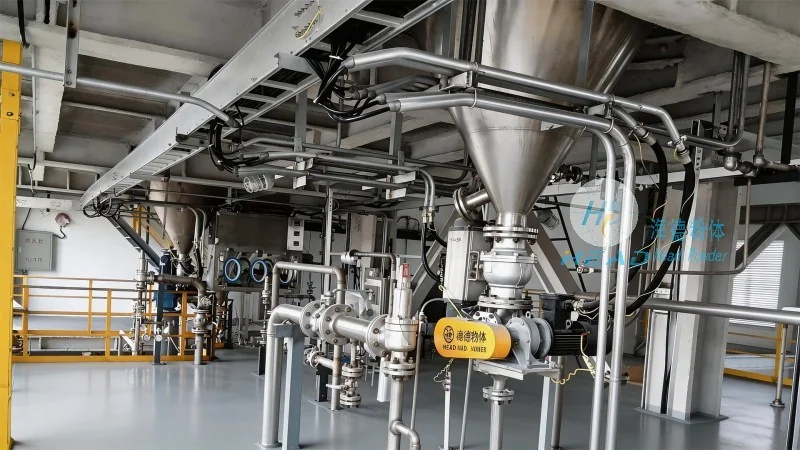
Advantages of Using Quantitative Feeding Equipment
Implementing quantitative feeding systems offers several advantages for industrial operations. One of the primary benefits is improved process efficiency, as precise material control reduces waste and minimizes the need for rework or product adjustments. Additionally, these systems enhance product quality by ensuring consistent material composition, which is particularly important in industries where uniformity is critical, such as food and pharmaceuticals. Cost savings are another significant advantage, as reduced material waste and lower maintenance costs due to reliable operation contribute to overall operational efficiency. Furthermore, quantitative feeding systems improve safety by preventing overfilling or underfilling, which can lead to equipment damage or product contamination.
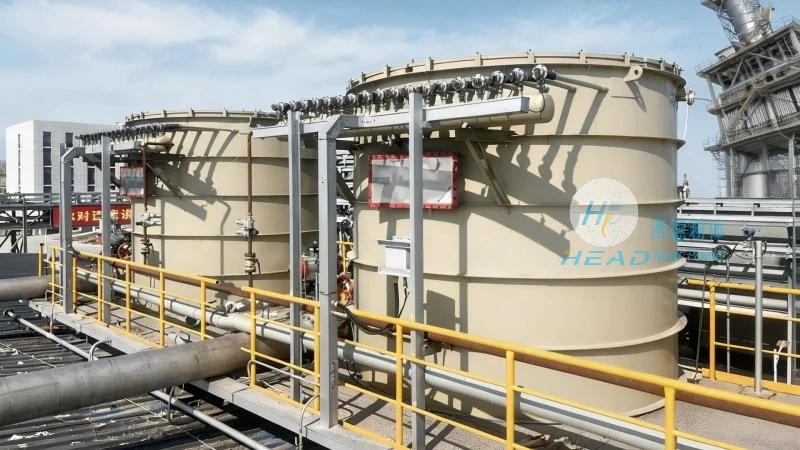
Customization and Integration Options
Shandong HeadPowder Engineering Co., Ltd. specializes in designing and manufacturing customized quantitative feeding systems tailored to specific customer needs. The company’s approach involves working closely with clients to understand their operational requirements, material characteristics, and production goals. By leveraging their expertise in material handling and process engineering, HeadPowder engineers can design systems that integrate seamlessly with existing production lines or new facilities. Customization options may include adjustments to hopper size and shape, feeding mechanism type (e.g., screw, belt, or vibratory), control system features, and material handling accessories such as conveyors or chutes. The company also offers integration services to ensure that the feeding system works in harmony with other equipment, such as mixers, reactors, or packaging machines.
Quality Assurance and Maintenance
HeadPowder places a strong emphasis on quality assurance throughout the design, manufacturing, and installation of quantitative feeding systems. The company adheres to strict quality control standards to ensure that each system meets or exceeds industry specifications. This includes material testing, component inspection, and system performance validation before delivery. After installation, the company provides comprehensive maintenance and support services to ensure the continued reliability and efficiency of the equipment. Regular maintenance, such as cleaning, lubrication, and component replacement, is recommended to prolong the lifespan of the system and prevent unexpected downtime. HeadPowder’s technical support team is available to assist with troubleshooting and provide guidance on best practices for system operation and maintenance.