With more than 10‑year industry experience, Shandong Headpowder delivers full‑service pneumatic‑conveying systems and blowers, undertaking nationwide turn‑key powder‑handling projects.
For manufacturers in the lithium-ion battery industry, the efficient and reliable handling of nanomaterials is a critical aspect of production. The lithium-ion battery nanomaterial pneumatic conveying system is a specialized solution designed to address these needs. This system combines advanced pneumatic conveying technology with precise material handling capabilities, ensuring optimal performance in the production of lithium-ion batteries.
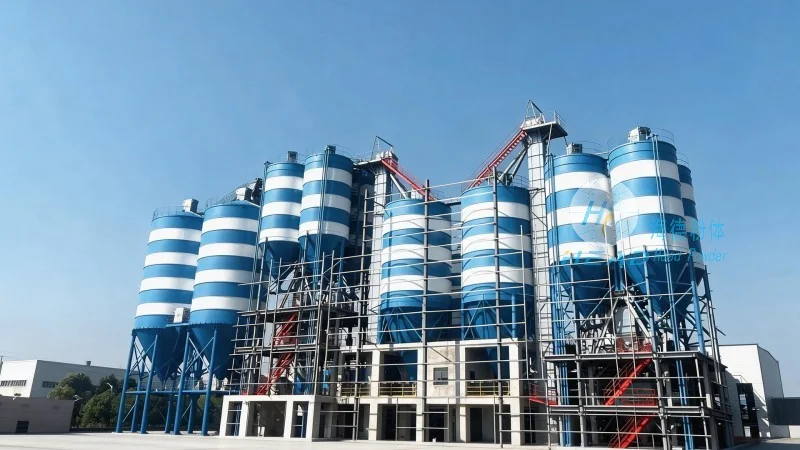
The design of a lithium-ion battery nanomaterial pneumatic conveying system is centered around several key components that work in tandem to achieve efficient material transport. The system typically includes a material feeding unit, a conveying pipeline, a pressure control system, and a dust collection unit. The feeding unit is responsible for accurately dosing the nanomaterials, while the pipeline ensures the material is transported under controlled pressure. The pressure control system maintains the necessary air pressure to facilitate smooth conveying, and the dust collection unit ensures environmental safety by capturing any airborne particles. The design principles prioritize precision, reliability, and safety, which are essential for the high-stakes environment of lithium-ion battery manufacturing.
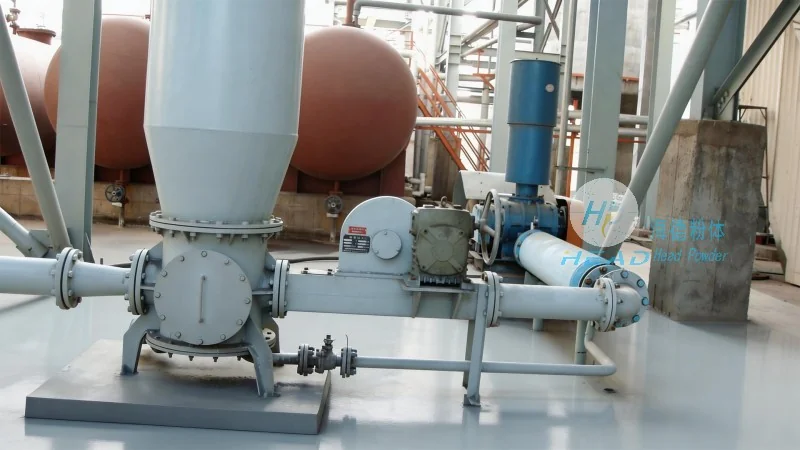
The operation of the lithium-ion battery nanomaterial pneumatic conveying system involves a series of coordinated steps. First, the nanomaterials are fed into the system through the feeding unit, which may include a hopper or a feeder that controls the flow rate. Next, the material is introduced into the conveying pipeline, where it is carried by a stream of air under pressure. The air pressure is carefully regulated to ensure the material moves smoothly without clogging or degradation. The pipeline may include bends, valves, and other components that direct the material to the desired destination, such as a mixing or processing unit. Finally, the material is discharged from the system and collected in a container or processing vessel. This process is repeatable and can be scaled to handle large volumes of nanomaterials, making it suitable for industrial applications.
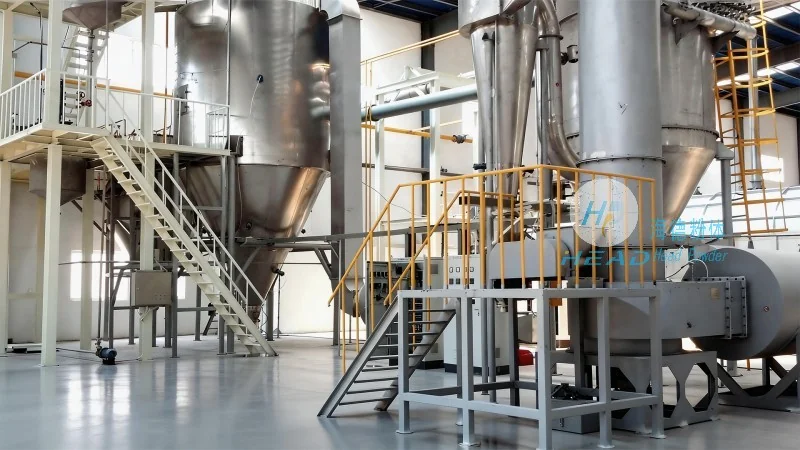
Implementing a lithium-ion battery nanomaterial pneumatic conveying system offers several advantages for manufacturers. First, it provides a dust-free and enclosed environment, which is crucial for maintaining product quality and worker safety. The system minimizes the risk of contamination and exposure to harmful particles, which is particularly important for nanomaterials that may have health implications. Second, the system offers high efficiency and throughput, allowing for rapid material transport and reduced production downtime. The precise control of air pressure and flow rate ensures consistent performance, which is essential for maintaining product uniformity. Third, the system is flexible and can be integrated with other production equipment, such as mixers or reactors, to create a seamless production line. This integration enhances overall operational efficiency and reduces the need for manual handling, which can be labor-intensive and error-prone.
The lithium-ion battery nanomaterial pneumatic conveying system is widely used in various stages of lithium-ion battery production. One common application is the transport of active materials, such as lithium cobalt oxide (LCO), lithium iron phosphate (LFP), or other cathode materials. These materials are often in the form of nanoscale powders and require careful handling to prevent agglomeration and degradation. The system ensures that these materials are transported without loss of quality or performance. Another application is the conveying of anode materials, such as graphite or silicon-based powders. The system can handle these materials efficiently, even at high volumes, and maintain their particle size distribution. Additionally, the system is used in the production of electrolytes and separators, where precise material handling is critical for achieving the desired battery performance.
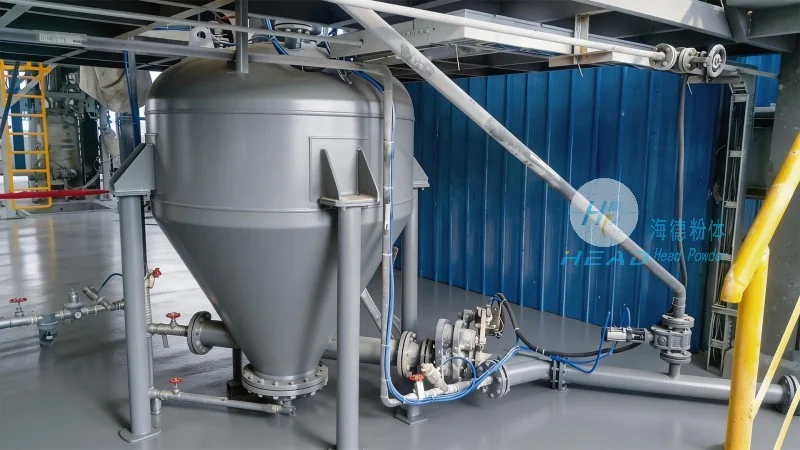
In conclusion, the lithium-ion battery nanomaterial pneumatic conveying system is a vital component of modern lithium-ion battery manufacturing. Its design principles and operational capabilities ensure that nanomaterials are handled efficiently, safely, and with minimal risk of contamination. The system's advantages, including dust-free operation, high throughput, and flexibility, make it an essential tool for manufacturers seeking to optimize their production processes. By investing in a reliable pneumatic conveying system, companies can enhance their product quality, improve operational efficiency, and maintain a competitive edge in the lithium-ion battery industry. Shandong HeadPowder Engineering Co., Ltd., with its expertise in engineering and manufacturing, offers tailored solutions to meet the specific needs of lithium-ion battery manufacturers, ensuring that their nanomaterial handling processes are efficient and effective.

 Shandong Headpowder Engineering Co., Ltd.
 156-6277-7102(Manager Zhang)
  0531-83386006
  Zhangqiu District, Jinan City, Shandong Province, China
telephone
WeChatconsult
top