With more than 10‑year industry experience, Shandong Headpowder delivers full‑service pneumatic‑conveying systems and blowers, undertaking nationwide turn‑key powder‑handling projects.
Wheat bran, a byproduct of wheat milling, is widely used in various industries such as food processing, animal feed production, and pharmaceuticals. Efficient and reliable transportation of wheat bran is crucial for maintaining product quality and operational efficiency. Pneumatic conveying systems have emerged as a preferred solution for handling wheat bran due to their ability to transport bulk materials in a closed system, minimizing dust and contamination. This article explores the concept of wheat bran pneumatic conveying equipment, detailing its design principles and operational advantages, developed by Shandong HeadPowder Engineering Co., Ltd., a leading manufacturer in the field.
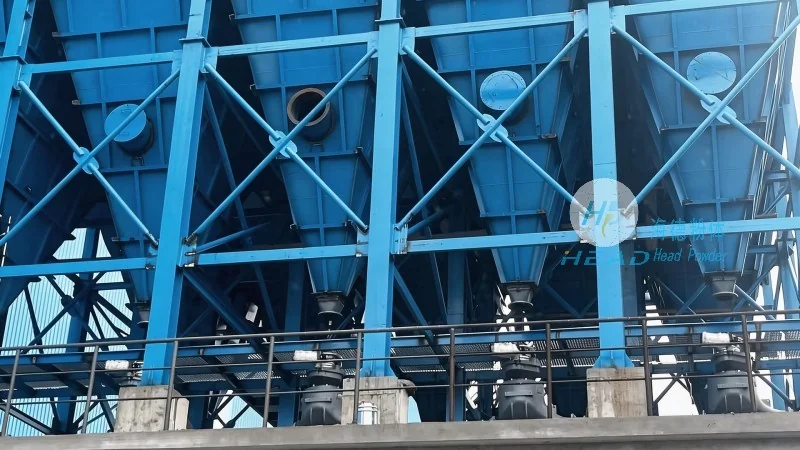
Pneumatic conveying, also known as air conveying, is a method of transporting bulk materials using a stream of pressurized or vacuum air. The technology is based on the principle of fluidization, where the material is suspended and moved by the air flow. For wheat bran, which is typically light and dusty, pneumatic conveying offers several benefits over traditional mechanical conveying methods. These include reduced product degradation, improved safety by containing dust, and the ability to transport materials over long distances without the need for multiple transfer points.
A typical wheat bran pneumatic conveying system consists of several key components that work in tandem to ensure efficient material transport. The primary components include a hopper for material storage, a feeder to control the flow rate, a conveying line (either positive pressure or negative pressure), a filter system to capture dust and return air to the system, and a discharge unit for material release. Each component plays a critical role in the overall performance and reliability of the system.
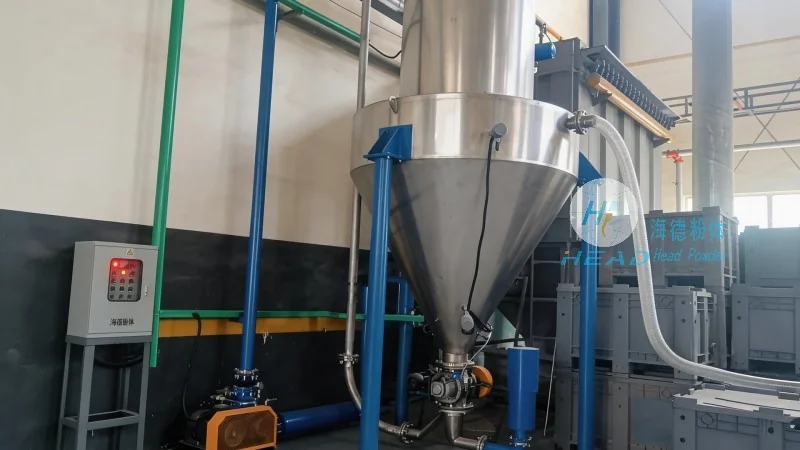
The design of a wheat bran pneumatic conveying system must consider several factors to ensure optimal performance. First, the system must be capable of handling the specific properties of wheat bran, such as its particle size, moisture content, and flowability. The conveying velocity and pressure must be carefully selected to prevent material degradation and ensure smooth transport. Additionally, the system should be designed to minimize pressure drop, which is crucial for maintaining energy efficiency and reducing operational costs. The choice between positive and negative pressure systems depends on the application requirements, with positive pressure systems being more suitable for long-distance transport and negative pressure systems for short-distance or indoor applications.
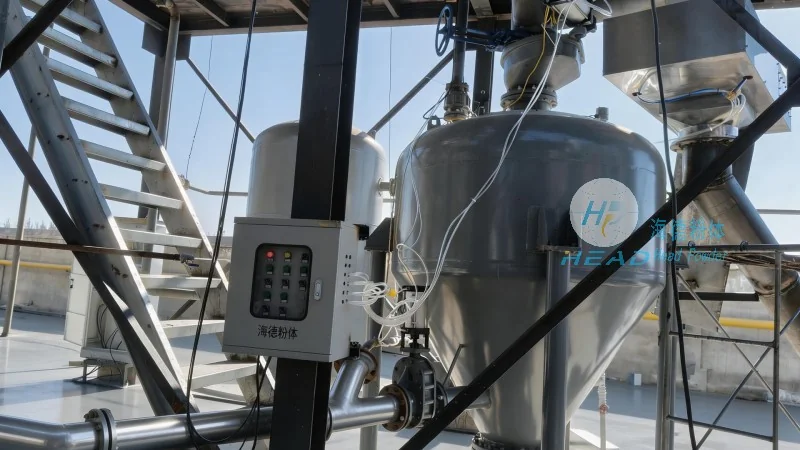
Implementing a pneumatic conveying system for wheat bran offers numerous operational advantages. One of the most significant benefits is the reduction in dust and airborne particles, which not only improves workplace safety but also maintains the quality of the product by preventing contamination. The closed system design also helps in controlling moisture levels, which is vital for preserving the nutritional value of wheat bran used in animal feed or food products. Furthermore, pneumatic conveying systems are generally more compact and require less floor space compared to traditional belt or bucket elevators, making them ideal for facilities with limited space.
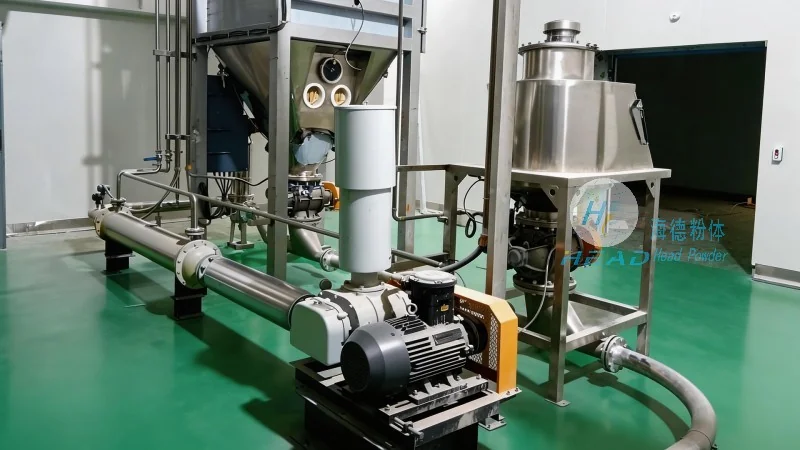
Wheat bran pneumatic conveying equipment is widely used in various industries where wheat bran is a key ingredient. In the food industry, it is used in the production of baked goods, cereals, and nutritional supplements. In the animal feed industry, it is incorporated into feed formulations to enhance nutritional value. The reliability and efficiency of pneumatic conveying systems have made them a preferred choice for manufacturers seeking to streamline their production processes and improve overall productivity. By ensuring consistent and hygienic transport of wheat bran, these systems contribute to higher product quality and customer satisfaction.
In conclusion, wheat bran pneumatic conveying equipment is a sophisticated and efficient solution for transporting bulk materials in various industrial applications. The design principles, which focus on material properties, system efficiency, and operational safety, ensure that these systems deliver reliable performance. As the demand for high-quality wheat bran products continues to grow, the importance of advanced conveying technologies like pneumatic systems becomes increasingly evident. For businesses operating in the wheat bran processing industry, investing in a well-designed pneumatic conveying system is a strategic move to enhance operational efficiency, product quality, and overall competitiveness.

 Shandong Headpowder Engineering Co., Ltd.
 156-6277-7102(Manager Zhang)
  0531-83386006
  Zhangqiu District, Jinan City, Shandong Province, China
telephone
WeChatconsult
top