

What is Activated Carbon Material Handling Equipment? What Are Its Design Principles?
Activated carbon material handling equipment is a specialized system designed to transport and manage activated carbon, a critical material widely used in industrial processes for adsorption, filtration, and purification applications. The equipment is engineered to ensure efficient, safe, and reliable movement of activated carbon from storage to processing units, such as reactors, filters, or other treatment facilities. This equipment plays a vital role in optimizing operational efficiency and maintaining the quality of activated carbon-based processes.
Key Components of Activated Carbon Material Handling Equipment
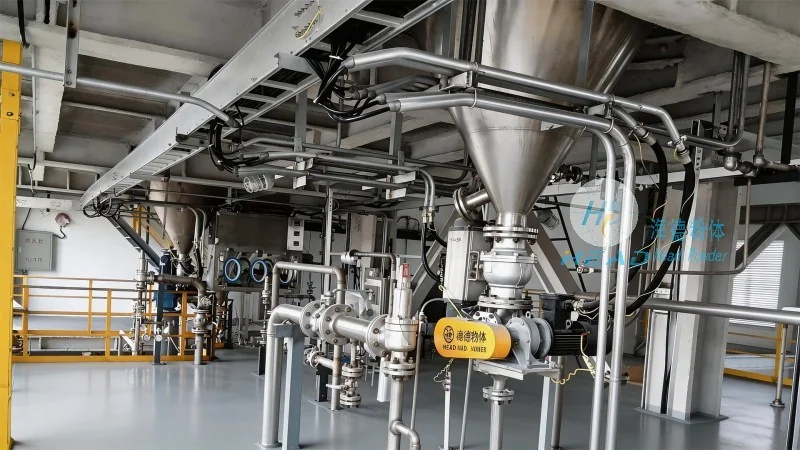
The design of activated carbon material handling equipment typically incorporates several key components that work in concert to facilitate material transport. These components include hoppers or feeders for initial material storage and feeding, conveyor systems (e.g., belt conveyors, screw conveyors, or pneumatic conveyors) for transporting the material, and control mechanisms to regulate the flow rate and direction of the activated carbon. Additionally, the equipment may feature dust collection systems to minimize airborne particulate release, ensuring compliance with environmental regulations and maintaining a safe working environment.
Design Principles for Activated Carbon Material Handling Equipment
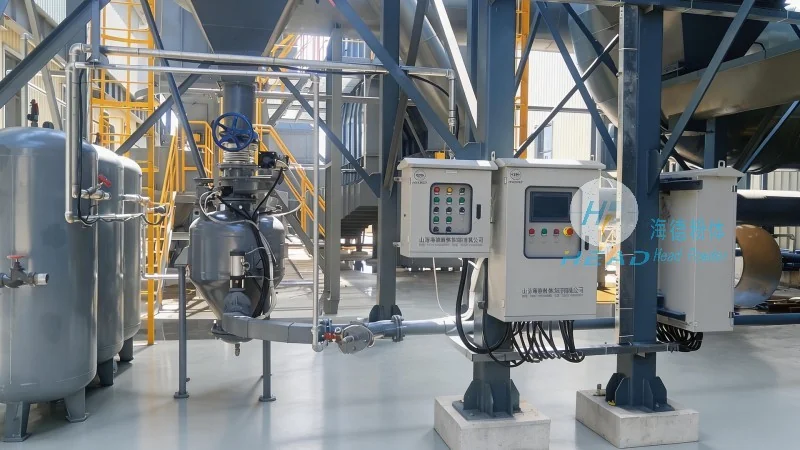
The design principles of activated carbon material handling equipment are centered on several critical factors to ensure optimal performance and durability. First, the equipment must be constructed from materials that are resistant to the chemical and physical properties of activated carbon, such as abrasion, corrosion, and temperature variations. Common materials include stainless steel, high-grade alloys, and specialized coatings that protect against wear and chemical attack. Second, the design emphasizes minimizing material degradation during transport, as activated carbon's adsorption capacity can be compromised by physical damage or contamination. This is achieved through smooth surfaces, gentle handling mechanisms, and enclosed systems to prevent exposure to external contaminants. Third, the equipment is designed for easy maintenance and cleaning to maintain operational efficiency and prevent cross-contamination between batches. Features like removable components, easy-to-clean surfaces, and integrated cleaning systems are incorporated into the design. Finally, the equipment adheres to safety standards to protect operators and the environment, including explosion-proof designs for pneumatic systems and proper ventilation to control dust levels.
Applications and Operational Benefits of Activated Carbon Material Handling Equipment
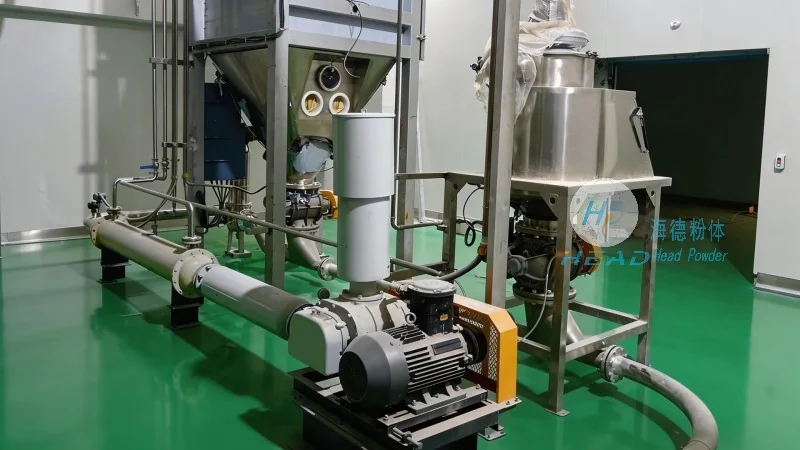
Activated carbon material handling equipment is widely used in various industrial sectors, including water treatment, air purification, chemical processing, and pharmaceutical manufacturing. In water treatment facilities, the equipment efficiently transports activated carbon to filters and reactors, ensuring consistent water purification. In air purification systems, it moves activated carbon to adsorption towers, enhancing indoor air quality. The operational benefits of this equipment include improved process efficiency, reduced downtime due to maintenance, and enhanced safety through controlled material handling. By streamlining the movement of activated carbon, the equipment enables industries to meet stringent quality and regulatory requirements while optimizing production output.
About Shandong HeadPowder Engineering Co., Ltd.
Shandong HeadPowder Engineering Co., Ltd., commonly known as HeadPowder, is a leading manufacturer specializing in the design and production of activated carbon material handling equipment. With a strong commitment to quality and innovation, HeadPowder has established itself as a trusted partner in the industry, providing customized solutions tailored to the specific needs of clients. The company's facilities are located in Shandong, China, where it leverages advanced manufacturing technologies and a skilled workforce to produce high-performance equipment. HeadPowder's products are designed to meet international standards and are backed by comprehensive technical support and after-sales services, ensuring long-term reliability and customer satisfaction.
Conclusion
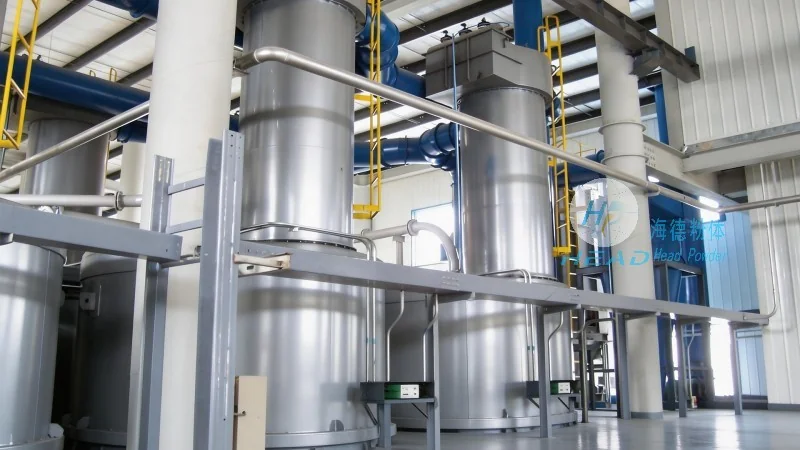
Activated carbon material handling equipment is a critical component in industries relying on activated carbon for purification and treatment processes. The design principles and components of this equipment are carefully engineered to ensure efficient, safe, and reliable material transport. By understanding these principles and the capabilities of specialized manufacturers like Shandong HeadPowder Engineering Co., Ltd., industries can optimize their operations and maintain compliance with environmental and quality standards. The continuous advancement of equipment design further enhances the efficiency and effectiveness of activated carbon-based processes, supporting sustainable industrial practices.