With more than 10‑year industry experience, Shandong Headpowder delivers full‑service pneumatic‑conveying systems and blowers, undertaking nationwide turn‑key powder‑handling projects.
Pneumatic conveying is a widely used method for transporting bulk materials, including powders and granules, through a pipeline system using air or other gases as the conveying medium. This technology offers several advantages over traditional mechanical conveying methods, such as reduced equipment wear, lower maintenance costs, and the ability to handle materials that are difficult to transport via conventional means. The process involves feeding the material into a hopper, where it is then drawn into a pipeline by a vacuum or pressure source. The material is carried through the pipeline by the moving air, which can be either positive pressure (where air is blown into the system) or negative pressure (where air is drawn out of the system). This method is particularly effective for materials that are sensitive to moisture or contamination, as the enclosed pipeline prevents exposure to the environment.
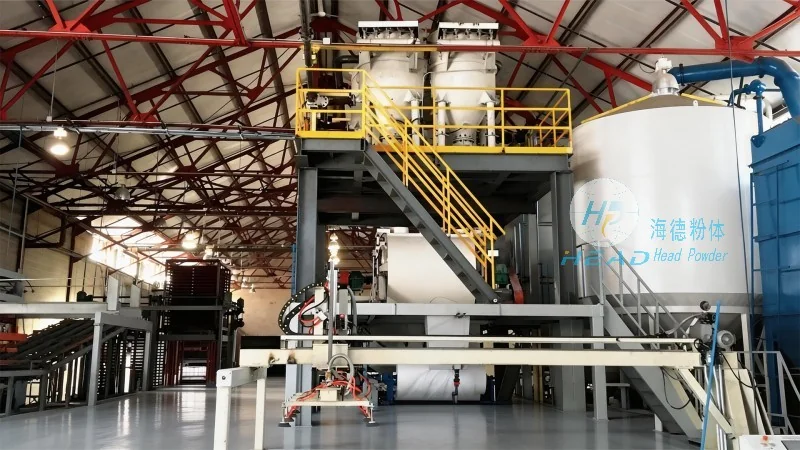
Phosphorus pentoxide (P₂O₅), also known as phosphoric anhydride, is a highly reactive and hygroscopic substance. It is widely used in the production of phosphoric acid, fertilizers, and other chemical products. Due to its extreme reactivity and tendency to absorb moisture from the air, handling P₂O₅ requires specialized equipment and processes. Pneumatic conveying is an ideal solution for transporting P₂O₅ because it provides a sealed system that prevents moisture ingress and contamination. The enclosed pipeline ensures that the material remains dry and free from external elements, which is crucial for maintaining its quality and preventing unwanted chemical reactions. Additionally, the low friction and minimal contact with surfaces in pneumatic conveying systems help to preserve the integrity of the P₂O₅ particles, reducing the risk of agglomeration or degradation.
Several key advantages make pneumatic conveying the preferred method for transporting phosphorus pentoxide. First, the sealed system eliminates the risk of moisture absorption, which is critical for maintaining the material's reactivity and preventing caking or clumping. Second, the low pressure and gentle handling of the material reduce the risk of particle breakage or degradation, ensuring that the final product retains its desired properties. Third, the system can be designed to handle varying flow rates and material characteristics, making it adaptable to different production and processing needs. Fourth, the enclosed pipeline reduces the risk of dust emissions and environmental contamination, which is important for compliance with environmental regulations. Finally, the reduced maintenance requirements and lower energy consumption compared to traditional mechanical conveying systems make pneumatic conveying a cost-effective solution for long-term P₂O₅ transportation.
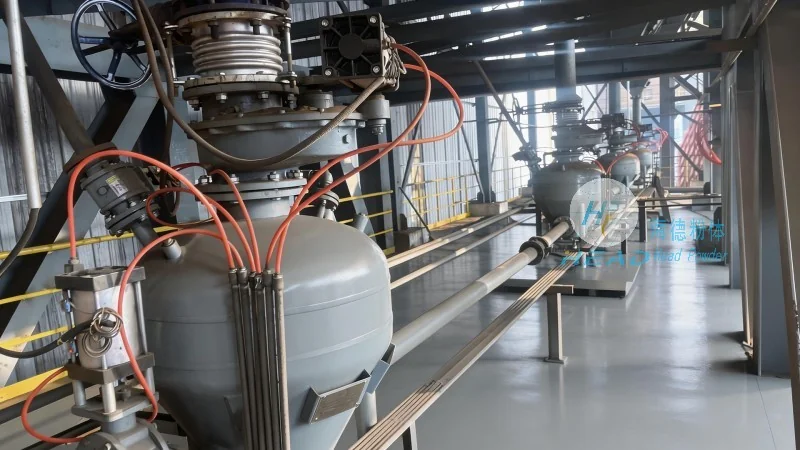
In practice, pneumatic conveying systems for phosphorus pentoxide are commonly used in industrial settings such as chemical plants, fertilizer manufacturing facilities, and research laboratories. For example, a large chemical plant in China uses a positive pressure pneumatic conveying system to transport P₂O₅ from storage silos to processing units. The system consists of a hopper, a rotary airlock feeder, and a pipeline network that connects the storage area to the production line. The system operates at a pressure of approximately 0.5 bar and a flow rate of 10 tons per hour, ensuring a continuous and reliable supply of P₂O₅ to the production process. Another case study involves a fertilizer manufacturer that uses a negative pressure system to transport P₂O₅ from a grinding unit to a mixing plant. The system is designed to handle fine particles and operates at a vacuum level of 0.8 bar, with a flow rate of 5 tons per hour. Both examples demonstrate the effectiveness of pneumatic conveying in maintaining the quality and integrity of phosphorus pentoxide during transportation.
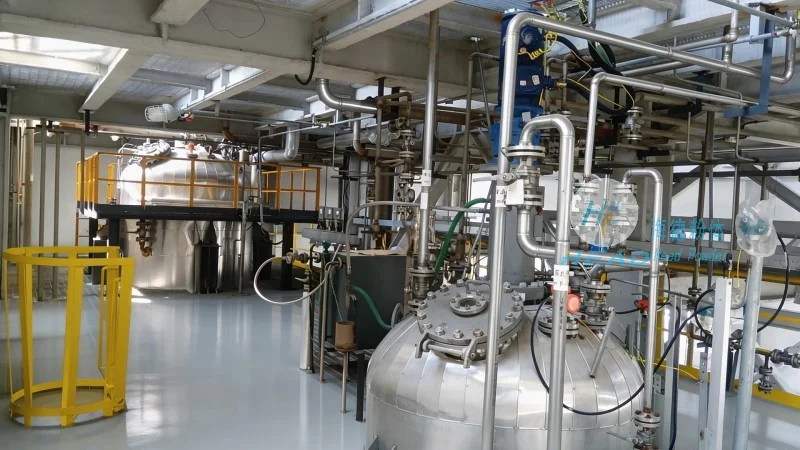
Shandong HeadPowder Engineering Co., Ltd., commonly known as HeadPowder, is a leading manufacturer and supplier of pneumatic conveying systems and related equipment for bulk material handling. The company is headquartered in Shandong, China, and has a strong reputation for providing high-quality, reliable solutions for the chemical and fertilizer industries. HeadPowder specializes in designing and manufacturing custom pneumatic conveying systems tailored to the specific needs of its clients. The company's products include hopper feeders, rotary airlock valves, pipeline systems, and control systems, all of which are engineered to meet the stringent requirements of handling materials like phosphorus pentoxide. With years of experience in the industry, HeadPowder has developed a deep understanding of the challenges associated with transporting reactive and hygroscopic materials, and its solutions are designed to address these challenges effectively. The company's commitment to quality and customer satisfaction has made it a trusted partner for many industrial clients worldwide.
Pneumatic conveying plays a crucial role in the efficient and safe transportation of phosphorus pentoxide, a critical chemical in various industrial applications. The technology offers numerous advantages over traditional methods, including a sealed system that prevents moisture contamination, gentle handling of the material, and reduced environmental impact. Companies like Shandong HeadPowder Engineering Co., Ltd. have developed specialized systems that cater to the unique requirements of handling P₂O₅, ensuring that the material is transported with minimal risk of degradation or quality loss. As the demand for phosphorus pentoxide continues to grow, the importance of reliable and efficient transportation methods will only increase. Pneumatic conveying remains a key technology in meeting these demands, providing a cost-effective and sustainable solution for bulk material handling in the chemical industry.

 Shandong Headpowder Engineering Co., Ltd.
 156-6277-7102(Manager Zhang)
  0531-83386006
  Zhangqiu District, Jinan City, Shandong Province, China
telephone
WeChatconsult
top