With more than 10‑year industry experience, Shandong Headpowder delivers full‑service pneumatic‑conveying systems and blowers, undertaking nationwide turn‑key powder‑handling projects.
HeadPowder, a leading manufacturer based in Shandong, China, specializes in the design and production of specialized equipment for handling inorganic salts. This article explores the fundamental aspects of inorganic salt material handling equipment, including its core functions and the key design principles that ensure efficient and reliable operation.
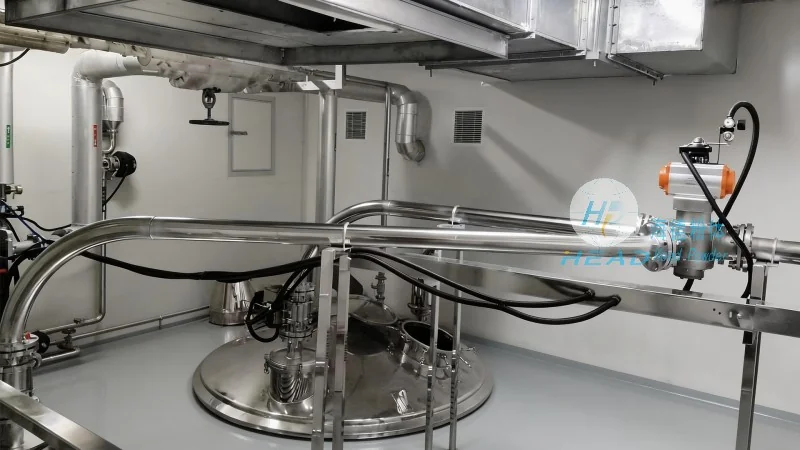
Inorganic salt material handling equipment refers to a range of machinery and systems engineered to transport, store, and process inorganic salts, such as sodium chloride, potassium chloride, and various industrial salts. These materials are widely used in industries like chemical manufacturing, food processing, pharmaceuticals, and water treatment. The equipment is designed to handle the unique physical and chemical properties of inorganic salts, including their tendency to be abrasive, corrosive, or hygroscopic, ensuring safe and efficient material handling throughout the production process.
The primary function of inorganic salt material handling equipment is to facilitate the movement of these materials from storage to processing areas, and then to packaging or disposal sites. This includes tasks like loading, unloading, conveying, and dosing. The equipment must be capable of handling large volumes of material while maintaining precise control over flow rates and quantities. For example, in chemical plants, inorganic salt material handling equipment is used to feed raw materials into reactors, ensuring consistent and controlled reactions. In food processing, it helps in the distribution of salt for seasoning and preservation, maintaining product quality and safety standards.
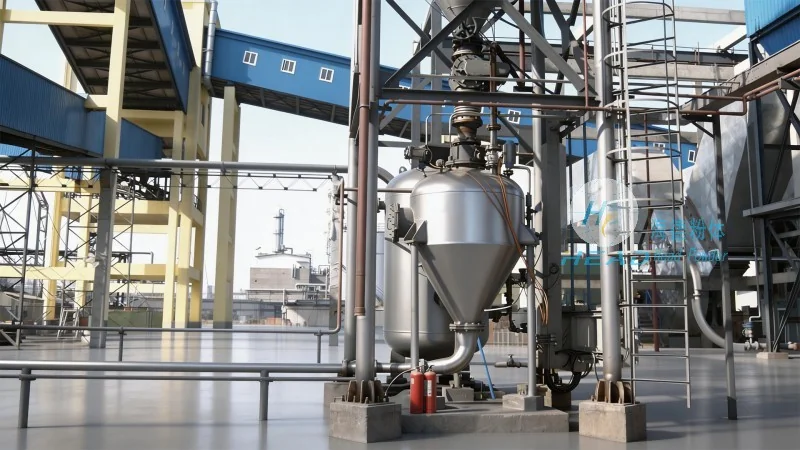
The design of inorganic salt material handling equipment is guided by several critical principles to ensure durability, efficiency, and safety. First, material compatibility is paramount. The equipment components, such as hoppers, conveyors, and valves, must be constructed from materials that resist corrosion and wear caused by the inorganic salts. Common materials include stainless steel, special alloys, and high-quality plastics. Second, the design must prioritize efficiency, minimizing energy consumption and maximizing throughput. This involves optimizing conveyor speeds, reducing friction, and using advanced control systems to regulate material flow. Third, safety is a key consideration. The equipment must be designed to prevent dust explosions, material blockages, and accidental release of hazardous substances. This includes features like explosion-proof designs, proper sealing, and emergency stop mechanisms.
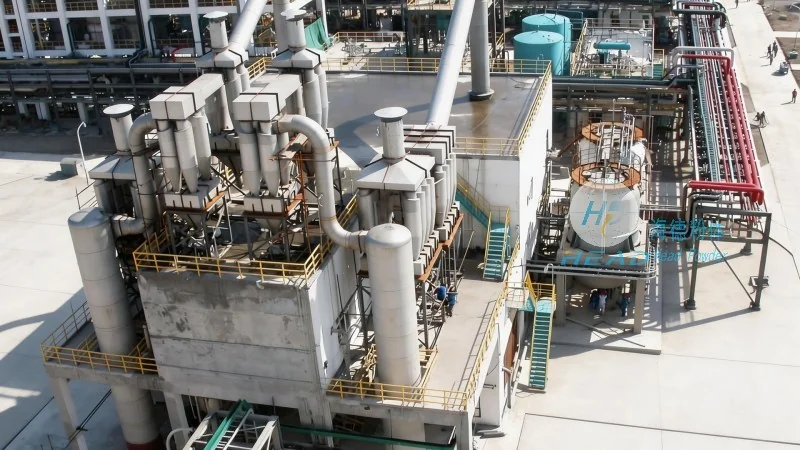
Inorganic salt material handling equipment typically consists of several interconnected components, each playing a vital role in the overall system. The primary components include hoppers, which are used to store and feed the inorganic salts into the system. Hoppers are often designed with sloped sides to prevent material bridging and ensure smooth flow. Conveyors, such as belt conveyors or screw conveyors, are used to transport the material horizontally or vertically. These conveyors are chosen based on the material's characteristics, with screw conveyors being ideal for handling granular or powdery salts due to their ability to mix and transport material evenly. Valves and gates are used to control the flow of material, allowing precise dosing and preventing backflow. Control systems, including sensors and programmable logic controllers (PLCs), monitor and regulate the operation of the equipment, ensuring consistent performance and safety.
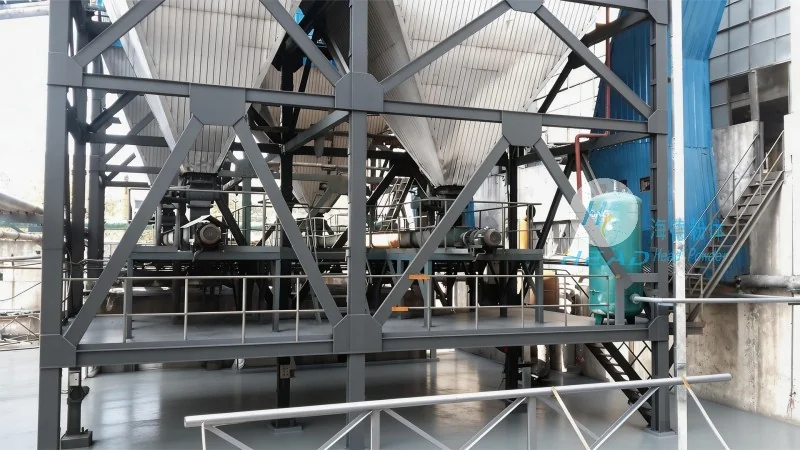
Inorganic salt material handling equipment is essential in a wide range of industries, supporting various production processes. In the chemical industry, it is used to handle raw materials like sodium hydroxide and calcium chloride, which are crucial for manufacturing plastics, fertilizers, and other chemical products. In the food industry, it plays a vital role in the production of salt for food preservation and flavor enhancement, ensuring that food products meet safety and quality standards. The pharmaceutical industry also relies on such equipment for handling active ingredients and excipients, maintaining the purity and consistency of medications. Additionally, in water treatment facilities, inorganic salt material handling equipment is used to manage chemicals like sodium hypochlorite and calcium hypochlorite, which are used for disinfection and water purification. These applications highlight the versatility and importance of inorganic salt material handling equipment in modern industrial operations.
Proper design and regular maintenance are critical to the longevity and performance of inorganic salt material handling equipment. A well-designed system minimizes the risk of equipment failure, reduces downtime, and ensures consistent material handling. For instance, the use of corrosion-resistant materials and proper sealing can prevent the degradation of equipment components, extending their lifespan. Regular maintenance, including cleaning, lubrication, and inspection of components, helps identify and address potential issues before they lead to major failures. This proactive approach not only improves the efficiency of the equipment but also enhances safety by preventing accidents related to material handling. In conclusion, inorganic salt material handling equipment is a vital component of modern industrial processes, and its proper design and maintenance are essential for achieving optimal performance and reliability.

 Shandong Headpowder Engineering Co., Ltd.
 156-6277-7102(Manager Zhang)
  0531-83386006
  Zhangqiu District, Jinan City, Shandong Province, China
telephone
WeChatconsult
top