With more than 10‑year industry experience, Shandong Headpowder delivers full‑service pneumatic‑conveying systems and blowers, undertaking nationwide turn‑key powder‑handling projects.
For industrial operations dealing with gypsum powder and dust, efficient material handling is crucial. Pneumatic conveying systems offer a reliable solution for transporting these materials, and understanding the technology, its classifications, and practical applications is essential for optimizing processes. This article explores the fundamentals of gypsum powder and dust pneumatic conveying, outlines the different types of pneumatic conveying systems, and highlights their real-world applications.
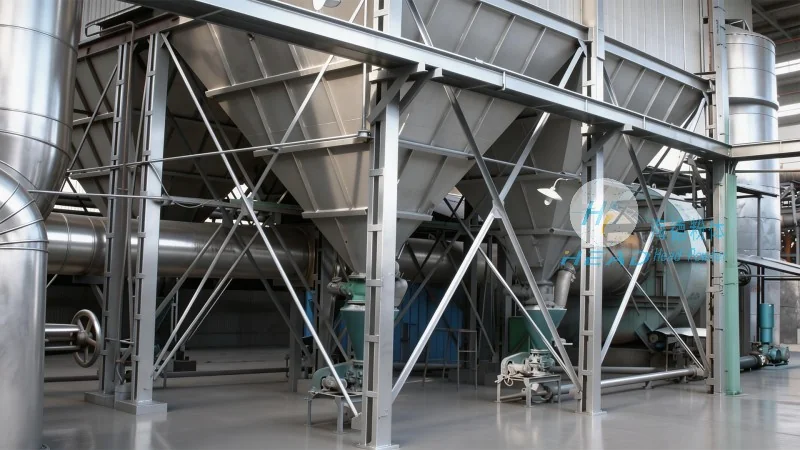
Gypsum powder and dust are common byproducts or raw materials in the construction and industrial sectors. These materials are typically fine and can be challenging to handle due to their dustiness and potential for clogging in traditional mechanical systems. Pneumatic conveying, which uses air or gas to transport bulk materials, provides an effective method for moving gypsum powder and dust from one location to another. This technology involves creating a flow of air through a pipeline, which carries the material particles along with it. The system typically includes a hopper, a conveyor line, and a receiver, with optional components like filters and cyclones to manage dust and ensure environmental compliance.
At the core of any pneumatic conveying system for gypsum powder and dust are several key components that work together to ensure efficient operation. The first component is the material hopper or feeder, which stores and feeds the gypsum into the system. This hopper is designed to handle the fine nature of the material and prevent bridging or caking. The second critical component is the air compressor or blower, which generates the air pressure needed to move the material through the pipeline. The choice of compressor type (e.g., rotary lobe, centrifugal) depends on the system's capacity and the specific characteristics of the gypsum being conveyed. The pipeline itself is made of materials resistant to the corrosive or abrasive properties of gypsum, such as stainless steel or special coatings. Additionally, the system may include a filter or cyclone to separate the material from the air stream, ensuring that the air is clean and that the material is collected in the receiver without loss.
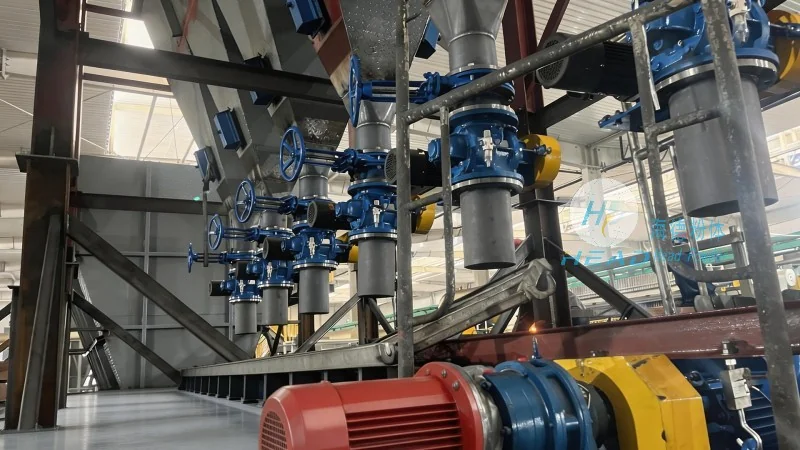
Pneumatic conveying systems are broadly classified into two main types: dilute-phase and dense-phase. Dilute-phase systems operate at higher air velocities, typically moving material in a suspended state, while dense-phase systems use lower air velocities to move material in a more compacted form. Within these categories, there are further subtypes that are tailored to specific applications and material characteristics.
Dilute-phase systems are commonly used for transporting gypsum powder and dust over moderate distances, typically up to several hundred meters. These systems operate at air velocities of 20-30 meters per second, which suspends the material particles in the air stream. The primary advantage of dilute-phase systems is their high capacity and ability to handle long distances with minimal pressure drop. However, they may require larger air volumes and more robust filtration systems to manage the dust generated during transport. Dilute-phase systems are often used in applications where the material is relatively dry and free-flowing, such as in the transportation of gypsum from storage silos to processing facilities.
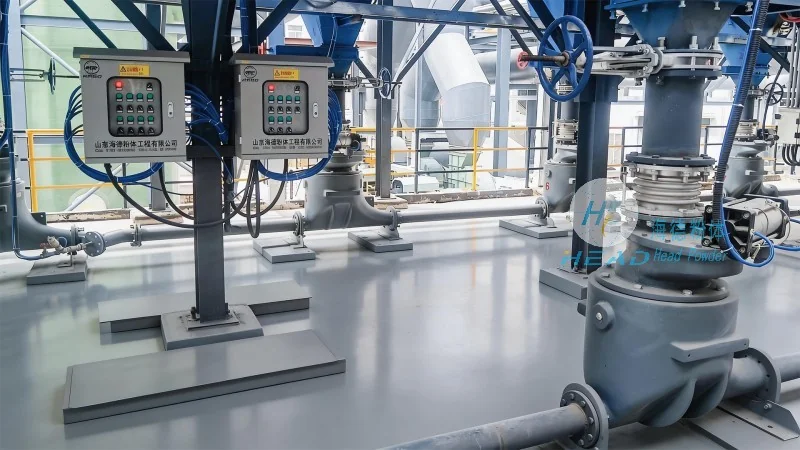
Dense-phase systems, on the other hand, operate at lower air velocities (typically 5-15 meters per second) and use a higher proportion of material to air. This results in a more compacted flow of material through the pipeline, which reduces the risk of clogging and allows for the transportation of more material per unit volume of air. Dense-phase systems are particularly suitable for handling cohesive or abrasive materials like gypsum, as the lower velocity helps prevent particle agglomeration and wear on the system components. These systems are often used in applications where the material needs to be transported over longer distances or where precise control over the material flow is required, such as in the delivery of gypsum to manufacturing lines.
The versatility of pneumatic conveying systems makes them applicable in a wide range of industries dealing with gypsum. In the construction industry, for example, gypsum is used to produce drywall and plaster products. Pneumatic conveying systems are used to transport gypsum powder from storage silos to mixing and processing equipment, ensuring a consistent and efficient supply of material. In the industrial sector, gypsum is often processed into other materials, such as gypsum board or plaster of Paris. Pneumatic conveying is employed to move the fine dust and powder from grinding and crushing operations to storage or packaging areas. Additionally, in the mining and quarrying industries, where gypsum is extracted from natural deposits, pneumatic systems are used to transport the raw material from the extraction site to processing plants. The ability of pneumatic conveying to handle fine, dusty materials without the need for mechanical components makes it an ideal choice for these applications.
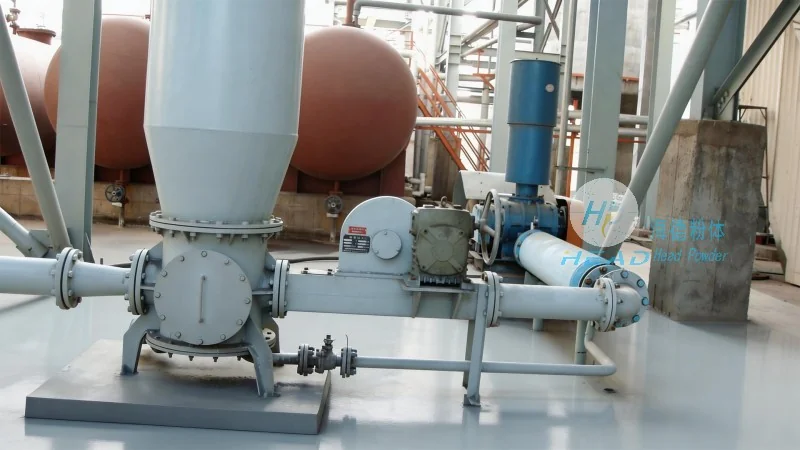
Implementing a pneumatic conveying system for gypsum powder and dust offers several advantages over traditional mechanical systems. First, the system is highly efficient in terms of material handling, as it can transport large volumes of material over long distances with minimal energy consumption. The absence of moving parts in the pipeline reduces maintenance requirements and extends the lifespan of the equipment. Additionally, pneumatic conveying systems are more hygienic and safer, as they eliminate the need for manual handling of dusty materials, which can pose health risks to workers. The closed system design also helps to contain dust and prevent environmental contamination, which is crucial for compliance with environmental regulations. Finally, the flexibility of pneumatic systems allows for easy integration with existing production lines and the ability to adjust the system's capacity to meet changing production demands.
Shandong HeadPowder Engineering Co., Ltd., based in Shandong, China, specializes in providing advanced pneumatic conveying solutions for industries dealing with gypsum and other fine materials. The company has extensive experience in designing, manufacturing, and installing customized pneumatic systems tailored to the specific needs of clients. With a focus on quality and innovation, HeadPowder Engineering ensures that its systems meet the highest standards of efficiency, reliability, and safety. The company's team of experts works closely with clients to understand their material handling challenges and develop solutions that optimize their operations. By leveraging cutting-edge technology and a deep understanding of material properties, HeadPowder Engineering delivers pneumatic conveying systems that enhance productivity and reduce operational costs for its clients.

 Shandong Headpowder Engineering Co., Ltd.
 156-6277-7102(Manager Zhang)
  0531-83386006
  Zhangqiu District, Jinan City, Shandong Province, China
telephone
WeChatconsult
top