With more than 10‑year industry experience, Shandong Headpowder delivers full‑service pneumatic‑conveying systems and blowers, undertaking nationwide turn‑key powder‑handling projects.
For companies operating in the battery materials sector, particularly those involved in the production and handling of ternary materials, efficient material transportation is a critical operational challenge. Ternary materials, such as those used in lithium-ion batteries, often require specialized handling due to their chemical properties and particle size characteristics. Traditional bulk material handling methods may not provide the necessary precision, safety, or efficiency required for these high-value materials. This is where pneumatic conveying systems offer a compelling solution, enabling safe, controlled, and reliable movement of ternary materials from one processing stage to another.
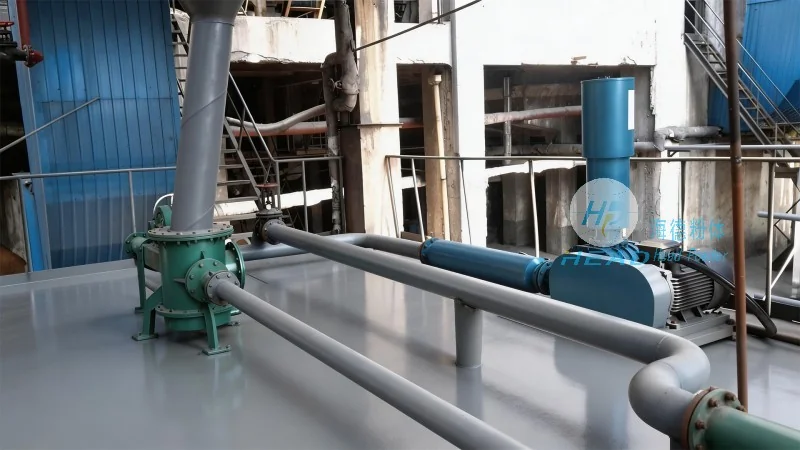
Ternary materials, typically composed of lithium, nickel, cobalt, and manganese (or other elements), are essential components in modern battery technology. These materials are often in the form of fine powders or granules, which can be challenging to handle due to their dustiness, reactivity, and potential health hazards. Conventional methods like bucket elevators or belt conveyors may generate excessive dust, cause material degradation, or pose safety risks. Pneumatic conveying addresses these issues by using air to transport materials in a closed system, minimizing exposure to dust and ensuring a cleaner, safer working environment.
When considering the transportation of ternary materials, several advantages of pneumatic conveying become evident. First, it provides a dust-free environment, which is crucial for maintaining material purity and preventing contamination. This is particularly important in battery material production, where even minor impurities can affect battery performance and lifespan. Second, pneumatic systems offer high levels of containment, reducing the risk of material loss and environmental impact. Third, these systems can handle a wide range of particle sizes and densities, making them versatile for different ternary material compositions. Additionally, pneumatic conveying can be integrated with other processing equipment, such as mixing or drying units, creating a seamless production line.
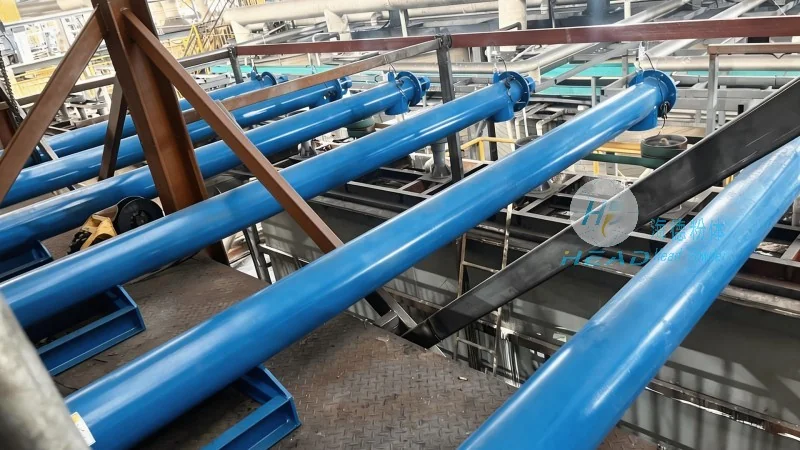
Shandong HeadPowder Engineering Co., Ltd., a leading provider of material handling solutions, specializes in designing and manufacturing pneumatic conveying systems tailored to the needs of the battery materials industry. With years of experience and a deep understanding of the challenges faced by manufacturers of ternary materials, HeadPowder offers customized solutions that enhance operational efficiency and safety. The company's engineers work closely with clients to assess their specific material characteristics, production volumes, and facility layout, ensuring that the chosen pneumatic system is optimized for performance and reliability.
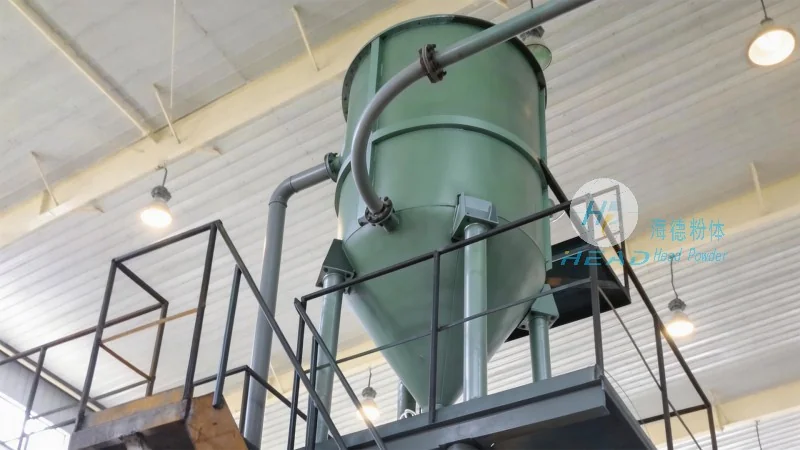
HeadPowder provides a range of pneumatic conveying solutions, including pressure and vacuum systems, to accommodate different material flow requirements. Pressure systems are ideal for short-distance transport and can handle high material loads, while vacuum systems are suitable for longer distances or when handling materials that are difficult to move under pressure. The company's systems are designed with high-quality components, such as stainless steel construction and advanced control systems, to ensure durability and minimal maintenance. For ternary materials, which may be sensitive to moisture or temperature changes, HeadPowder's systems can be equipped with temperature control and moisture-proof features to maintain material integrity throughout the conveying process.
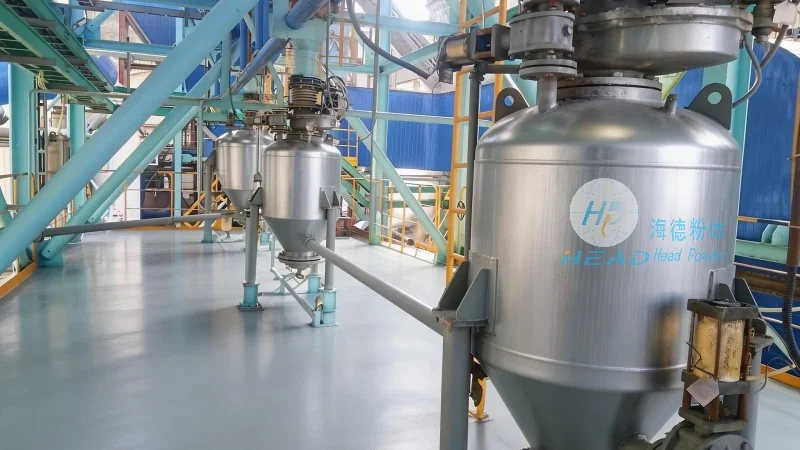
Handling ternary materials requires strict adherence to safety and regulatory standards. Pneumatic conveying systems from HeadPowder are engineered to meet these requirements, incorporating features like explosion-proof designs and dust collection systems. These measures help prevent accidents and ensure compliance with local and international safety regulations. By using pneumatic conveying, manufacturers can reduce the risk of dust explosions and minimize the exposure of personnel to hazardous materials. This not only protects workers but also safeguards the production process and the environment.
In conclusion, pneumatic conveying plays a vital role in the efficient and safe transportation of ternary materials. By leveraging the expertise of companies like Shandong HeadPowder Engineering Co., Ltd., manufacturers can implement advanced material handling solutions that enhance productivity, maintain material quality, and ensure workplace safety. As the demand for high-performance batteries continues to grow, the importance of reliable and efficient material transportation systems will only increase. HeadPowder's commitment to innovation and customer satisfaction positions it as a trusted partner for businesses seeking to optimize their ternary material handling processes.

 Shandong Headpowder Engineering Co., Ltd.
 156-6277-7102(Manager Zhang)
  0531-83386006
  Zhangqiu District, Jinan City, Shandong Province, China
telephone
WeChatconsult
top