With more than 10‑year industry experience, Shandong Headpowder delivers full‑service pneumatic‑conveying systems and blowers, undertaking nationwide turn‑key powder‑handling projects.
Understanding the fundamentals of sulfur tablet pneumatic conveying is crucial for industries dealing with bulk material handling. Pneumatic conveying systems utilize air or gas to transport solid materials like sulfur tablets, offering efficient and flexible solutions for material transport. This article explores the concept of sulfur tablet pneumatic conveying, categorizes different types of pneumatic conveying systems, and highlights their practical applications.
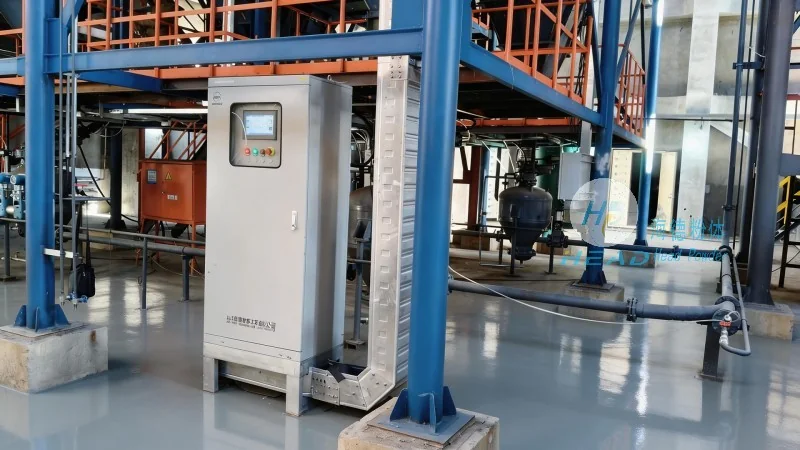
Sulfur tablets are a common form of sulfur used in various industrial processes, including chemical manufacturing, agriculture, and pharmaceuticals. Conveying these tablets efficiently from one location to another is essential for maintaining production flow and reducing operational costs. Pneumatic conveying, as a non-contact method, eliminates the need for mechanical components like belts or buckets, minimizing wear and tear and ensuring a cleaner transfer process. The system typically consists of a hopper, a conveyor line, and a receiver, all connected by a network of pipes. Air is introduced into the system, creating a flow that propels the sulfur tablets through the pipes. This method is particularly advantageous for handling materials that are dusty, corrosive, or require a hygienic transfer environment.
Headpowder, a leading provider in the field of material handling solutions, specializes in designing and manufacturing advanced pneumatic conveying systems. With a strong presence in China, particularly in Shandong, the company has established itself as a trusted partner for industries seeking reliable and efficient material transport solutions. HeadPowder's expertise lies in customizing pneumatic conveying systems to meet the specific needs of clients, ensuring optimal performance and durability. The company's facilities are located in Shandong, China, where they leverage local resources and skilled workforce to deliver high-quality products and services.
Pneumatic conveying systems are broadly classified into two main categories: pressure and vacuum systems. Each type has distinct characteristics and is suitable for different applications.
Pressure systems operate by introducing compressed air into the conveying line, creating a positive pressure that pushes the material forward. These systems are ideal for long-distance transport and can handle a wide range of particle sizes and densities. The primary advantage of pressure systems is their ability to maintain a consistent flow rate, even when the material feed rate fluctuates. However, they require a robust air compression system and may generate higher noise levels compared to vacuum systems.
Vacuum systems, on the other hand, use a vacuum pump to create a negative pressure in the receiving hopper, drawing the material into the system. This method is well-suited for short-distance transport and handling materials that are light or have low density. Vacuum systems are generally quieter and easier to install, as they do not require high-pressure air compressors. However, they may have limitations in terms of transport distance and material capacity compared to pressure systems.
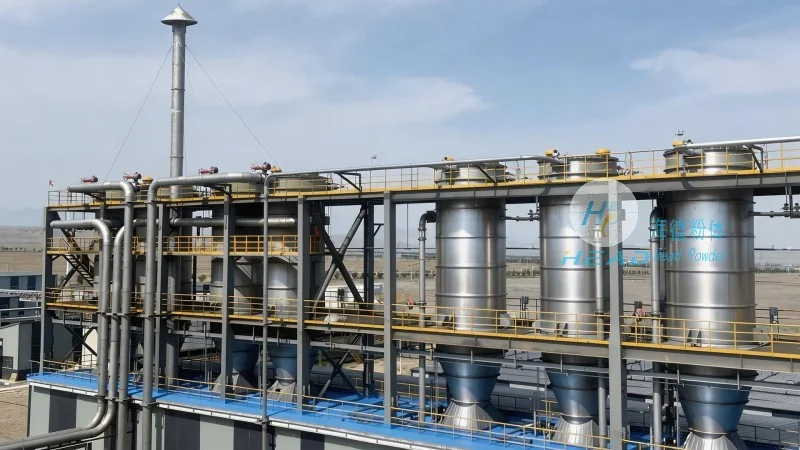
The application of pneumatic conveying in sulfur tablet handling spans across various industries, each benefiting from the efficiency and flexibility of the system.
In chemical plants, sulfur tablets are often used as a raw material in the production of sulfuric acid and other chemical compounds. Pneumatic conveying systems enable the seamless transfer of these tablets from storage silos to processing units, ensuring a continuous supply of raw materials. The non-contact nature of the system minimizes contamination risks, which is critical in chemical manufacturing where product purity is paramount.
Sulfur tablets are widely used in agriculture as a fungicide and soil amendment. Pneumatic conveying facilitates the distribution of these tablets to farms and agricultural facilities, allowing for uniform application across large areas. This method reduces labor costs and improves the efficiency of fertilizer and pesticide distribution, contributing to better crop yields and soil health.
In the pharmaceutical sector, sulfur tablets are used in the formulation of various medications. Pneumatic conveying systems are employed to transport these tablets from production lines to packaging units, ensuring a hygienic and controlled transfer process. The system's ability to maintain a sterile environment is crucial in pharmaceutical manufacturing, where product safety and compliance with regulatory standards are non-negotiable.
Implementing pneumatic conveying systems for sulfur tablets offers several advantages over traditional mechanical methods.
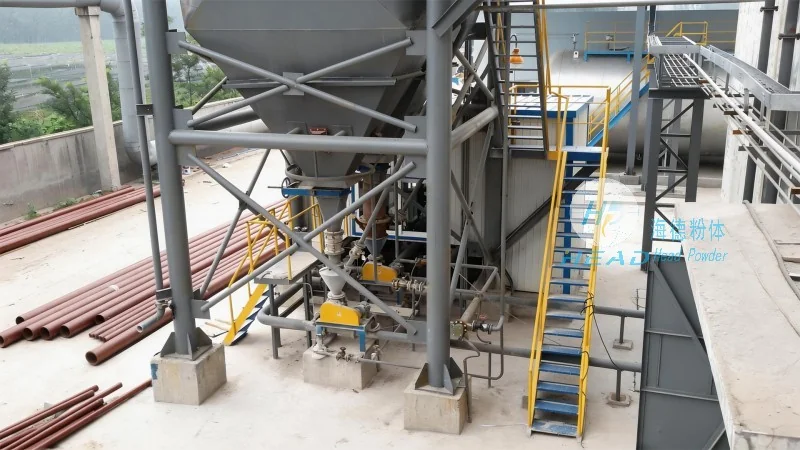
Pneumatic conveying systems can transport materials at high speeds, significantly reducing the time required for material transfer. This efficiency is particularly beneficial in high-volume production environments where quick turnaround is essential.
By eliminating mechanical components like belts and buckets, pneumatic systems reduce the need for frequent maintenance and replacement. This leads to lower operational costs and increased system reliability over time.
The non-contact nature of pneumatic conveying minimizes the risk of contamination, making it suitable for applications where product purity is critical. This is especially important in industries like pharmaceuticals and food processing.
Pneumatic systems can be easily reconfigured to accommodate changes in production layout or to integrate with existing facilities. This flexibility allows companies to adapt to evolving operational needs without significant capital investment.
Sulfur tablet pneumatic conveying is a sophisticated and efficient method for handling bulk materials, offering numerous benefits over traditional mechanical systems. By understanding the different classifications of pneumatic conveying and their applications, industries can make informed decisions about implementing these systems. Companies like Shandong HeadPowder Engineering Co., Ltd. play a vital role in providing customized solutions that meet the specific requirements of clients, ensuring optimal performance and reliability. As industries continue to seek more efficient and cost-effective material handling solutions, pneumatic conveying systems remain a preferred choice for transporting sulfur tablets and other bulk materials.

 Shandong Headpowder Engineering Co., Ltd.
 156-6277-7102(Manager Zhang)
  0531-83386006
  Zhangqiu District, Jinan City, Shandong Province, China
telephone
WeChatconsult
top