With more than 10‑year industry experience, Shandong Headpowder delivers full‑service pneumatic‑conveying systems and blowers, undertaking nationwide turn‑key powder‑handling projects.
When it comes to handling and transporting polystyrene (EPS) materials, selecting the right type of pneumatic conveying system is crucial for efficiency and cost-effectiveness. Two primary methods are widely used: positive pressure and negative pressure systems. Understanding the differences between these approaches is essential for making an informed decision that aligns with operational needs and material characteristics. This article explores the key factors to consider when choosing between positive pressure and negative pressure for polystyrene material handling, along with practical guidance on how to differentiate between the two.
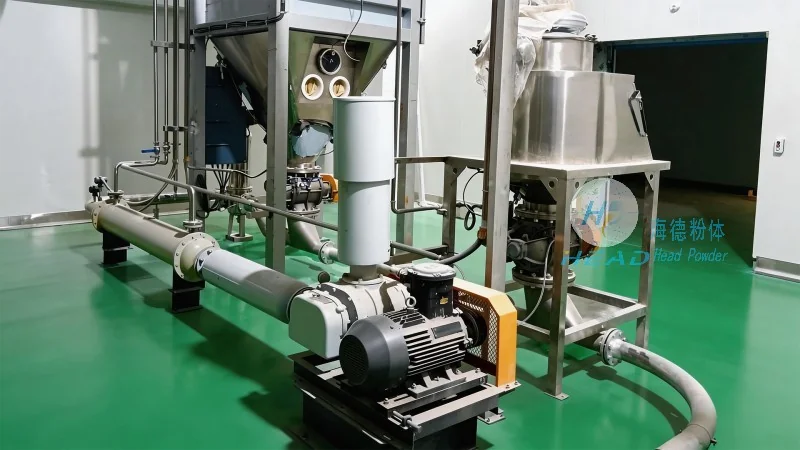
Positive pressure conveying systems operate by blowing air or gas into the material stream, creating a pressure higher than the ambient environment. This method is often preferred for materials that are light, dusty, or have a tendency to create dust during transport. In the context of polystyrene (EPS), positive pressure systems can effectively handle the material by pushing it through the pipeline using compressed air. The primary advantage of this approach is its ability to maintain a consistent flow rate and prevent material degradation due to friction or static buildup. Additionally, positive pressure systems are generally more suitable for long-distance transport and can handle a wider range of material sizes and shapes.
Negative pressure, or vacuum, conveying systems work by creating a lower pressure inside the pipeline compared to the ambient air, drawing material into the system. This method is typically used for materials that are heavier or more abrasive, as the vacuum helps to pull the material without excessive force. For polystyrene (EPS), negative pressure systems may be more appropriate when dealing with larger or irregularly shaped particles that could cause blockages in positive pressure systems. The key benefit of negative pressure is its ability to minimize dust emissions and reduce the risk of material spillage, as the system draws material in a controlled manner. However, it is generally less efficient for long distances and may require more maintenance to prevent clogging.
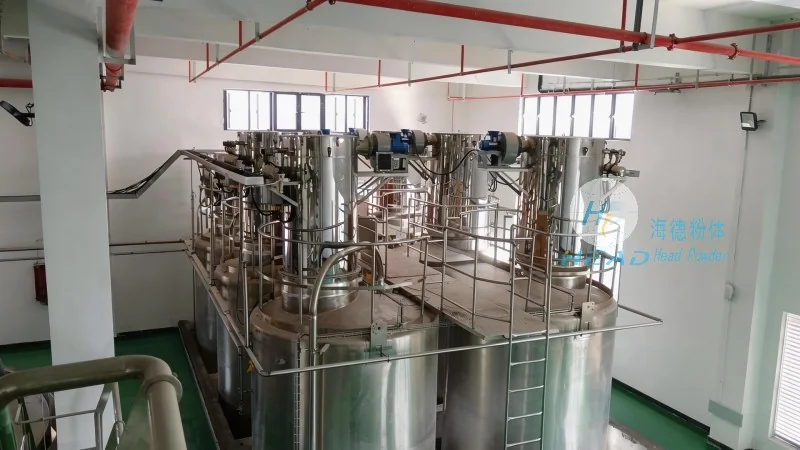
Identifying the right system for polystyrene (EPS) material handling involves evaluating several critical factors. First, consider the material's physical properties, such as density, particle size, and moisture content. Lighter, more powdery EPS is often better suited for positive pressure systems, while denser or larger EPS pieces may benefit from negative pressure. Second, assess the operational requirements, including the distance between the source and destination, as well as the desired flow rate. Positive pressure is ideal for longer distances and higher flow rates, whereas negative pressure is more suitable for shorter distances or when dust control is a priority. Third, evaluate the infrastructure and maintenance capabilities of the facility. Positive pressure systems may require more robust filtration and air compression equipment, while negative pressure systems need regular checks to prevent vacuum leaks or clogs.
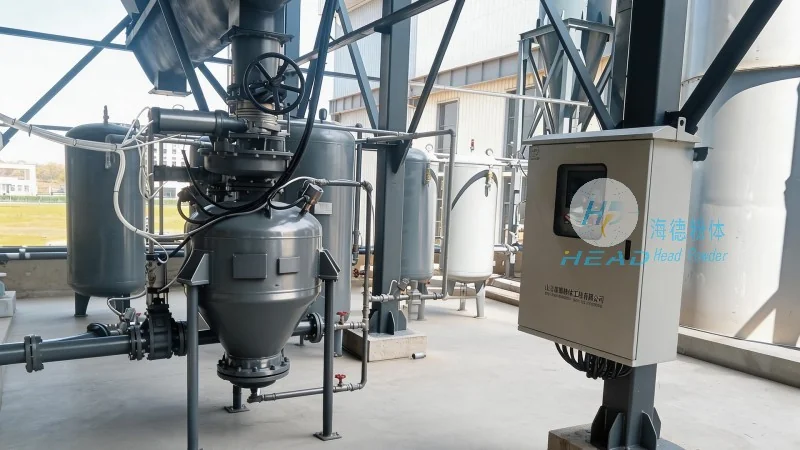
For businesses dealing with polystyrene (EPS) material handling, a systematic approach to selection is recommended. Begin by conducting a thorough analysis of the material characteristics and operational constraints. Engage with experts from companies like Shandong HeadPowder Engineering Co., Ltd., a leading provider of material handling solutions in China, to gain insights into the most suitable system. Consider conducting pilot tests with both positive and negative pressure systems to observe performance under real-world conditions. Finally, evaluate the long-term costs, including energy consumption, maintenance, and potential downtime, to ensure the chosen system provides the best return on investment.
Choosing between positive pressure and negative pressure for polystyrene (EPS) material handling is a decision that impacts operational efficiency, material quality, and overall costs. By understanding the fundamental differences between these systems and considering key factors such as material properties, distance, and operational needs, businesses can make an informed choice. Companies like Shandong HeadPowder Engineering Co., Ltd. offer specialized expertise and tailored solutions to help clients navigate these decisions and optimize their material handling processes. Whether opting for positive pressure or negative pressure, the goal is to ensure reliable, efficient, and safe transport of polystyrene materials, supporting the smooth operation of production lines and supply chains.

 Shandong Headpowder Engineering Co., Ltd.
 156-6277-7102(Manager Zhang)
  0531-83386006
  Zhangqiu District, Jinan City, Shandong Province, China
telephone
WeChatconsult
top