With more than 10‑year industry experience, Shandong Headpowder delivers full‑service pneumatic‑conveying systems and blowers, undertaking nationwide turn‑key powder‑handling projects.
Understanding the efficient and effective transport of sintered dust through pneumatic conveying systems is crucial for industries that rely on precise material handling. This article provides an overview of the technology, its operational principles, and the key considerations for implementing such systems, with a focus on the expertise offered by Shandong HeadPowder Engineering Co., Ltd., a leading provider in the field.
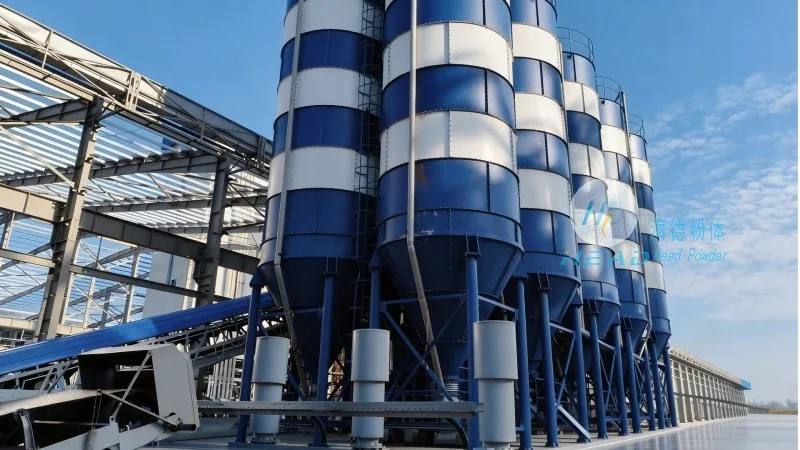
Pneumatic conveying systems are widely used in industrial applications to transport bulk materials like sintered dust from one location to another. These systems utilize air or other gases to move the material through a pipeline network, offering advantages such as flexibility, cleanliness, and the ability to handle materials that are difficult to transport via traditional methods. The core components of a typical pneumatic conveying system include a material feed hopper, a conveying line, a dust separator or filter, and a discharge outlet. The system operates by creating a pressure differential or using vacuum to draw the material into the pipeline and transport it to the destination.
The fundamental principle behind pneumatic conveying is the use of air flow to move particulate materials. In the case of sintered dust, which often has specific characteristics like particle size, moisture content, and density, the system must be designed to handle these properties effectively. There are two main types of pneumatic conveying systems: pressure and vacuum. Pressure systems operate by blowing air or gas into the conveying line, pushing the material forward, while vacuum systems use a suction mechanism to draw the material into the line. For sintered dust, the choice of system depends on factors such as the distance to be covered, the material's properties, and the required flow rate. The system's efficiency is determined by the air velocity, which must be sufficient to keep the material suspended and prevent clogging or deposition in the pipeline.
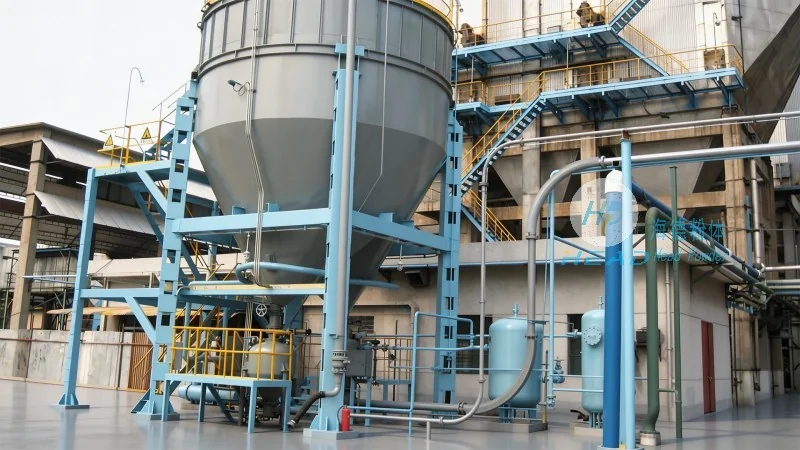
Each component of a pneumatic conveying system plays a critical role in ensuring reliable operation. The material feed hopper is designed to store and feed the sintered dust into the system, often equipped with a feeder that controls the flow rate. The conveying line, typically made of stainless steel or other corrosion-resistant materials, is designed to withstand the pressure and temperature conditions of the material being transported. The dust separator or filter is essential for removing the conveyed material from the air stream, preventing contamination and ensuring compliance with environmental regulations. The discharge outlet is where the material is collected, and it may include a silo or storage vessel for further processing. Proper maintenance of these components is vital to maintain system efficiency and prevent downtime.
Implementing a pneumatic conveying system for sintered dust offers several benefits that enhance operational efficiency and product quality. One of the primary advantages is the ability to transport materials in a closed system, which minimizes dust emissions and improves workplace safety. This is particularly important for sintered dust, which can be hazardous if released into the environment. Additionally, pneumatic conveying systems can handle materials with varying particle sizes and moisture content, making them versatile for different industrial applications. The systems also reduce the need for manual handling, lowering labor costs and the risk of workplace injuries. Furthermore, the closed system design helps maintain the material's quality by preventing contamination from external sources, which is crucial for sintered dust used in manufacturing processes.
Shandong HeadPowder Engineering Co., Ltd., operating under the brand name headpowder, specializes in the design, manufacturing, and installation of pneumatic conveying systems tailored to the specific needs of industries handling sintered dust. With a deep understanding of material properties and system dynamics, the company provides customized solutions that optimize material transport efficiency while ensuring compliance with industry standards and regulations. The company's team of engineers and technicians leverages advanced technology and years of experience to develop systems that meet the unique requirements of each client. By focusing on quality and reliability, headpowder has established itself as a trusted partner in the field of material handling, delivering systems that enhance productivity and reduce operational costs.
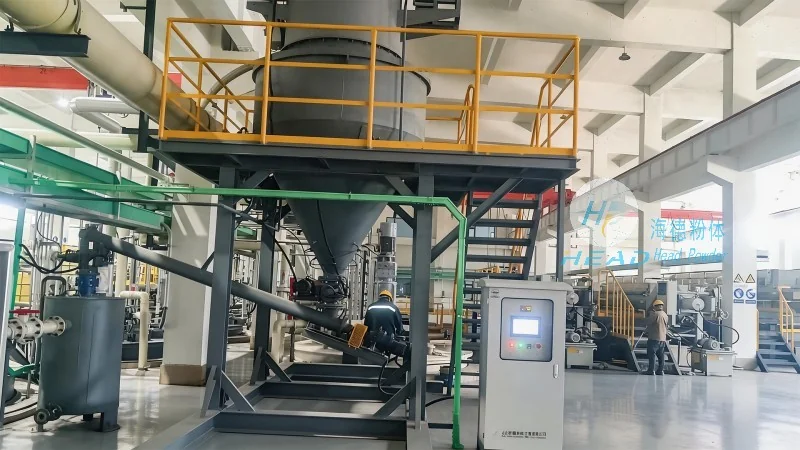
Pneumatic conveying systems for sintered dust are commonly used in various industrial sectors, including steel production, mining, and chemical processing. For example, in steel plants, sintered dust is often transported from the sintering process to storage or further processing facilities. The systems are designed to handle the high volume and specific characteristics of the dust, ensuring smooth and continuous operation. In mining operations, pneumatic conveying is used to transport sintered dust from processing plants to disposal or recycling facilities, reducing the need for truck transport and associated emissions. These applications highlight the versatility and effectiveness of pneumatic conveying systems in handling challenging materials like sintered dust.
In conclusion, pneumatic conveying systems offer a reliable and efficient solution for transporting sintered dust, with the working principles centered on air flow and material handling. The benefits of these systems, including improved safety, reduced contamination, and enhanced productivity, make them a preferred choice for industries relying on precise material transport. As technology advances, there is a growing emphasis on developing more energy-efficient and environmentally friendly systems, which will likely shape the future of pneumatic conveying. Companies like Shandong HeadPowder Engineering Co., Ltd. are at the forefront of these developments, providing innovative solutions that meet the evolving needs of the industry.

 Shandong Headpowder Engineering Co., Ltd.
 156-6277-7102(Manager Zhang)
  0531-83386006
  Zhangqiu District, Jinan City, Shandong Province, China
telephone
WeChatconsult
top