With more than 10‑year industry experience, Shandong Headpowder delivers full‑service pneumatic‑conveying systems and blowers, undertaking nationwide turn‑key powder‑handling projects.
Welcome to Shandong HeadPowder Engineering Co., Ltd., a leading provider of advanced pneumatic conveying solutions. Our company, commonly known as HeadPowder, specializes in designing and manufacturing efficient systems for transporting various bulk materials, including sawdust particles. This article provides an overview of sawdust particle pneumatic conveying and explains the fundamental principles behind pneumatic conveying systems.
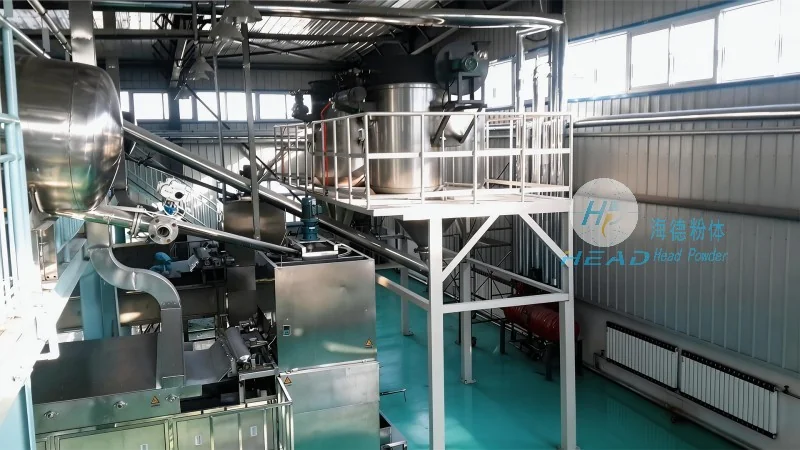
HeadPowder is a professional engineering company based in Shandong, China. With years of experience in the field of material handling and pneumatic conveying technology, we have established ourselves as a reliable partner for businesses seeking high-quality, customized solutions. Our team of experts is dedicated to understanding the unique challenges of transporting sawdust and other fine particles, ensuring that our systems are optimized for efficiency, reliability, and cost-effectiveness. By leveraging our expertise and advanced engineering capabilities, we help clients improve their material handling processes and enhance overall operational productivity.
Pneumatic conveying is a method of transporting bulk materials, such as sawdust, through a pipeline using air or other gases. This technology is particularly suitable for sawdust particles due to their light weight and fine size, which can be easily suspended and moved by the airflow. The process involves several key components, including a material feed hopper, a conveying line, a separation or collection system, and a control unit. The sawdust is introduced into the system at the feed hopper, where it is mixed with the air stream. The air, typically under pressure, carries the particles through the pipeline to the destination point. At the end of the conveying line, the sawdust is separated from the air, often using a cyclone separator or a filter, and collected in a designated container. This method offers several advantages over traditional mechanical conveying, including reduced equipment wear, lower maintenance costs, and the ability to transport materials over long distances without the need for multiple transfer points.
The core of any pneumatic conveying system is the interaction between the material and the air stream. The system operates based on the principle of fluidization, where the air flow creates a suspension of the sawdust particles. The velocity of the air is critical; it must be sufficient to lift and transport the particles but not so high as to cause excessive pressure drop or equipment damage. The system typically consists of a blower or compressor that generates the necessary air pressure, a pipeline network that guides the material, and a series of valves and controls that regulate the flow. The feed mechanism ensures that the sawdust is introduced at a controlled rate, preventing overloading and maintaining consistent conveying performance. The separation system at the end of the line is designed to efficiently separate the sawdust from the air, ensuring that the material is collected without loss or contamination. This separation process may involve centrifugal force, filtration, or a combination of both, depending on the system design and the specific characteristics of the sawdust particles.
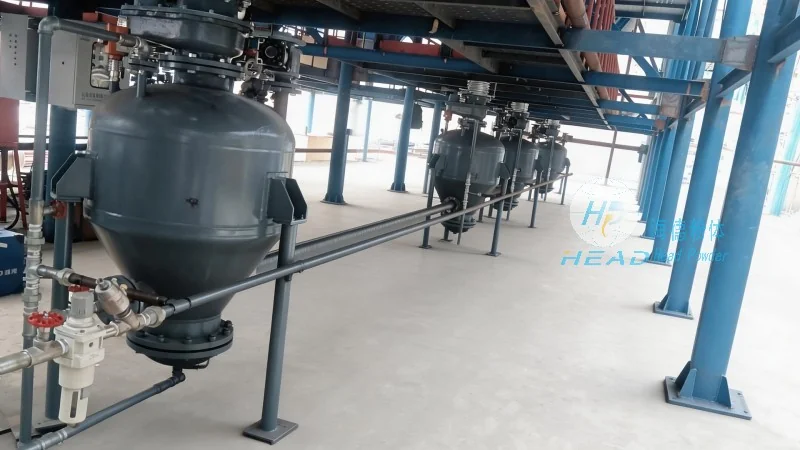
For a pneumatic conveying system to effectively transport sawdust particles, several key components must be integrated and optimized. The first component is the material feed hopper, which is responsible for storing and feeding the sawdust into the system. The hopper is designed to maintain a consistent material level and to prevent blockages or bridging, which can occur with fine particles like sawdust. The second component is the air supply unit, which provides the necessary pressure and volume of air to move the particles. This unit may include a blower, a compressor, or a vacuum pump, depending on the system configuration (positive pressure or negative pressure). The third component is the conveying pipeline, which is typically made of stainless steel or other corrosion-resistant materials to withstand the abrasive nature of sawdust and the moisture content in the air. The pipeline is designed with appropriate bends and elbows to minimize pressure loss and to ensure smooth flow. The fourth component is the separation or collection system, which includes a cyclone separator, a filter, or a combination of both. The cyclone separator uses centrifugal force to separate the particles from the air, while the filter captures any fine dust that may escape the cyclone. The fifth component is the control system, which monitors and regulates the operation of the entire system. This system includes sensors for pressure, flow, and material level, as well as control valves and a user interface for adjusting the conveying parameters. By integrating these components effectively, the system ensures reliable and efficient transport of sawdust particles from the source to the destination.
Compared to traditional mechanical conveying methods, such as belt conveyors or screw conveyors, pneumatic conveying offers several advantages when handling sawdust particles. One of the most significant advantages is the ability to transport materials in a closed system, which helps to contain dust and prevent environmental contamination. This is particularly important for sawdust, which can be a source of airborne particles that may affect air quality and worker health. The closed system also reduces the risk of material spillage and loss during transport. Another advantage is the flexibility of the system, which allows for easy reconfiguration and expansion as the needs of the business change. The system can be adapted to transport sawdust over long distances, through multiple locations, or to different processing facilities without the need for additional equipment. Additionally, pneumatic conveying systems are generally more energy-efficient than mechanical systems, as they use less power to move the material and have lower maintenance costs over time. The reduced wear and tear on components also contribute to lower operational costs and longer equipment lifespan. For businesses dealing with sawdust, these advantages make pneumatic conveying a highly effective and sustainable solution for material handling.
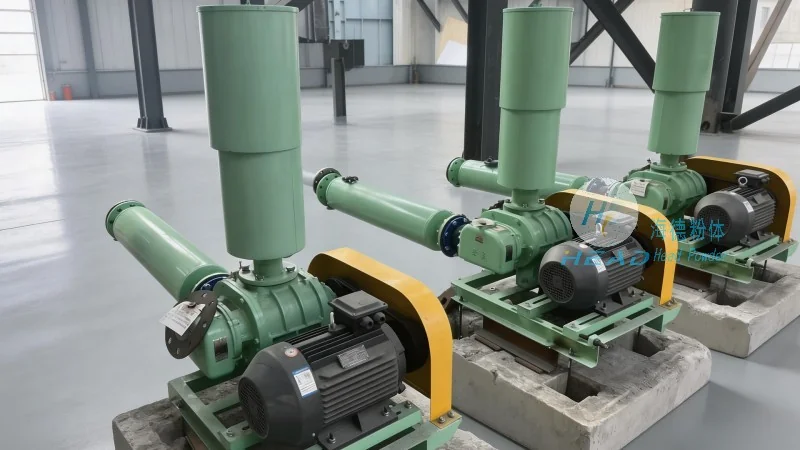
Sawdust pneumatic conveying systems are widely used in various industries, including woodworking, paper manufacturing, and biomass energy production. In the woodworking industry, these systems are used to transport sawdust from sawmills to storage facilities or to processing plants where it can be used as a raw material for particleboard or other wood products. The systems are also used in paper mills to transport sawdust as a filler or to transport other fine particles used in the paper-making process. In biomass energy production, sawdust is often used as a fuel source for power generation, and pneumatic conveying systems are essential for transporting the sawdust from storage to the combustion chamber of the power plant. The systems are also used in agricultural applications, such as transporting sawdust for animal bedding or as a component in composting processes. In each of these applications, the pneumatic conveying system provides a reliable and efficient method for handling sawdust, ensuring that the material is transported safely and effectively to its intended destination.
At HeadPowder, we understand that every sawdust handling application has unique requirements. Therefore, we offer customized pneumatic conveying systems tailored to the specific needs of our clients. Our engineering team works closely with clients to assess their material characteristics, conveying distance, and operational requirements to design a system that meets their exact specifications. We consider factors such as the size and moisture content of the sawdust, the required conveying capacity, and the available space for the system. By customizing the system, we ensure that it operates at optimal efficiency, minimizing energy consumption and maximizing material throughput. We also provide ongoing support and maintenance services to ensure that the system continues to perform at its best over time. Our commitment to customization and optimization has made us a trusted partner for businesses seeking reliable and efficient sawdust handling solutions.
Pneumatic conveying systems offer a highly effective and sustainable solution for transporting sawdust particles. With their ability to handle fine materials in a closed system, these systems provide numerous advantages over traditional mechanical methods. As the demand for efficient material handling increases, the importance of advanced pneumatic conveying technology will continue to grow. At Shandong HeadPowder Engineering Co., Ltd., we remain committed to developing and providing the best possible pneumatic conveying solutions for our clients. By leveraging our expertise and advanced engineering capabilities, we help businesses improve their operational efficiency, reduce costs, and enhance their overall productivity. Whether you are a sawmill owner, a paper manufacturer, or a biomass energy producer, HeadPowder is here to help you achieve your material handling goals with reliable and efficient pneumatic conveying systems.

 Shandong Headpowder Engineering Co., Ltd.
 156-6277-7102(Manager Zhang)
  0531-83386006
  Zhangqiu District, Jinan City, Shandong Province, China
telephone
WeChatconsult
top