With more than 10‑year industry experience, Shandong Headpowder delivers full‑service pneumatic‑conveying systems and blowers, undertaking nationwide turn‑key powder‑handling projects.
HeadPowder, a leading engineering firm based in Shandong, China, specializes in providing comprehensive solutions for pneumatic conveying systems tailored to the handling of calcium carbonate powders. This article outlines the essential design calculations and equipment selection processes that ensure efficient, reliable, and cost-effective material transport for industrial applications.
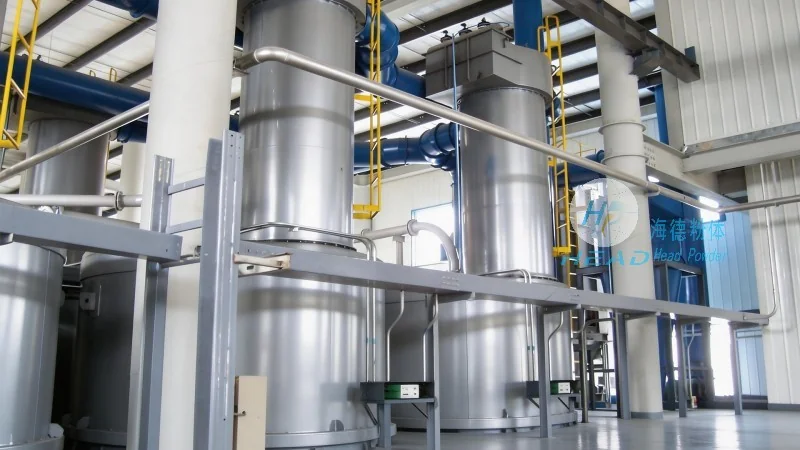
Shandong HeadPowder Engineering Co., Ltd., operating under the brand name HeadPowder, has established itself as a trusted provider of engineering services and equipment for material handling in the chemical and industrial sectors. With a focus on calcium carbonate processing, the company leverages extensive experience in pneumatic conveying technology to deliver customized solutions that meet the unique demands of clients. HeadPowder's team of experts combines technical knowledge with practical application to optimize material transport systems, ensuring high performance and durability in demanding environments.
Pneumatic conveying is a critical method for transporting calcium carbonate powders, which are often used in applications such as coatings, plastics, and construction materials. The process involves using air or other gases to move powders through a pipeline system, eliminating the need for mechanical components like belts or buckets. This approach offers advantages like reduced equipment wear, lower maintenance costs, and the ability to handle fine powders that are prone to caking or segregation. Understanding the fundamental principles of pneumatic conveying is essential for designing an effective system that maximizes efficiency and minimizes operational issues.
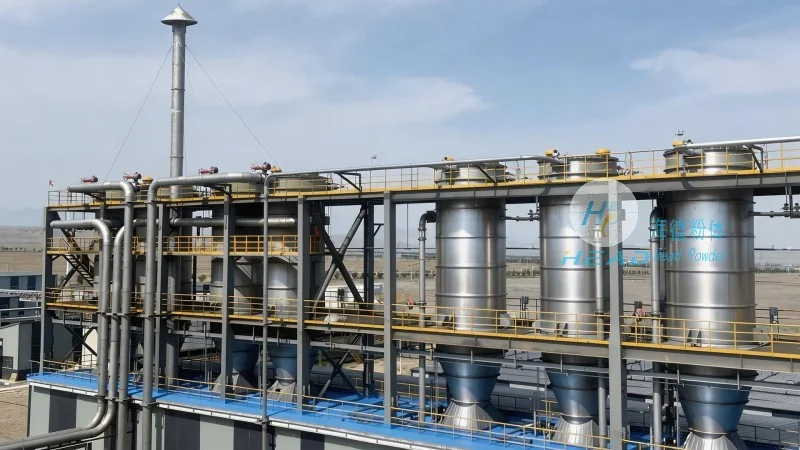
Designing a pneumatic conveying system for calcium carbonate powders requires a systematic approach that considers several critical factors. The first step is to determine the required air velocity and flow rate, which are directly related to the powder's properties, such as particle size, density, and moisture content. Calculations must account for the pressure drop along the pipeline, which influences the energy consumption and overall system performance. HeadPowder employs advanced computational methods to analyze these parameters, ensuring that the system operates within optimal conditions. Additionally, the design must consider the system's capacity, which is determined by the material's bulk density and the desired throughput. By accurately calculating these variables, engineers can select the appropriate equipment and configure the system to meet specific operational requirements.
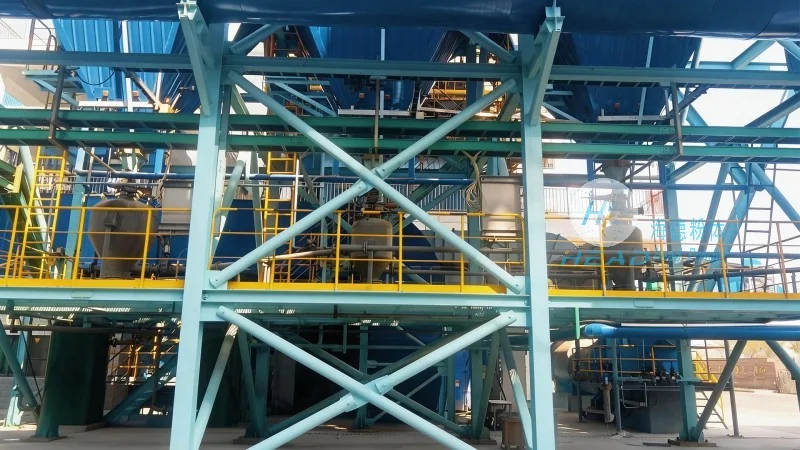
Choosing the right equipment is a pivotal step in the successful implementation of a pneumatic conveying system for calcium carbonate powders. HeadPowder recommends several key components, including the air compressor, which provides the necessary pressure and flow rate. The type of compressor—such as rotary or reciprocating—depends on the system's scale and operational needs. For calcium carbonate powders, which are often fine and abrasive, the selection of a suitable material for the pipeline and fittings is crucial to prevent wear and degradation. HeadPowder's experts evaluate factors like pipe diameter, material of construction (e.g., stainless steel or polyethylene), and the use of special coatings to enhance durability. The hopper and feeder are also critical components, as they control the powder's flow into the system. Properly designed hoppers minimize material bridging and ensure consistent feed rates, which are essential for maintaining system stability. Additionally, the system may include cyclones or filters to separate the powder from the air stream, ensuring that the material is delivered to the destination without contamination.
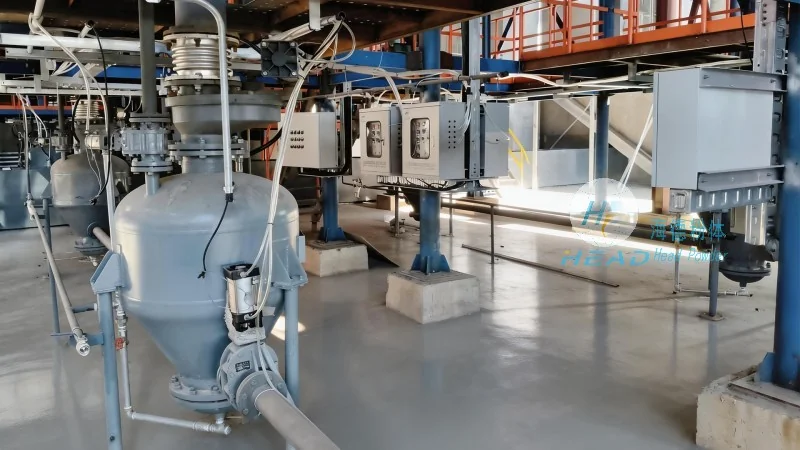
Once the pneumatic conveying system is designed and installed, optimizing its performance and ensuring long-term reliability are paramount. HeadPowder emphasizes the importance of regular maintenance and monitoring to prevent issues such as blockages or pressure drops. By implementing predictive maintenance strategies and using advanced monitoring tools, the system's efficiency can be maintained over time. Additionally, the design should incorporate safety features, such as pressure relief valves and dust collection systems, to comply with industry regulations and protect personnel. The company's expertise in system integration ensures that all components work in harmony, minimizing downtime and maximizing productivity. For calcium carbonate powders, which are often sensitive to moisture or temperature changes, the system may include drying or temperature control measures to preserve the material's quality during transport.
HeadPowder, with its headquarters in Shandong, China, offers comprehensive engineering services and equipment solutions for pneumatic conveying systems designed for calcium carbonate powders. By combining expert design calculations with careful equipment selection, the company ensures that clients receive reliable, efficient, and cost-effective material transport solutions. Whether for small-scale or large-scale industrial applications, HeadPowder's approach to pneumatic conveying addresses the unique challenges of handling fine powders, providing a robust system that meets the demands of modern manufacturing. The company's commitment to quality and customer satisfaction has made it a preferred partner for businesses seeking to optimize their material handling processes.

 Shandong Headpowder Engineering Co., Ltd.
 156-6277-7102(Manager Zhang)
  0531-83386006
  Zhangqiu District, Jinan City, Shandong Province, China
telephone
WeChatconsult
top