With more than 10‑year industry experience, Shandong Headpowder delivers full‑service pneumatic‑conveying systems and blowers, undertaking nationwide turn‑key powder‑handling projects.
Organic fertilizer pneumatic conveying equipment is a specialized system used in the agricultural and fertilizer production industries to transport organic materials such as compost, manure, and other organic waste efficiently. This technology offers a solution to the challenges of handling bulk organic materials, ensuring a clean, dust-free, and energy-efficient process. Understanding the design principles behind these systems is crucial for optimizing performance and ensuring reliability in various operational conditions.
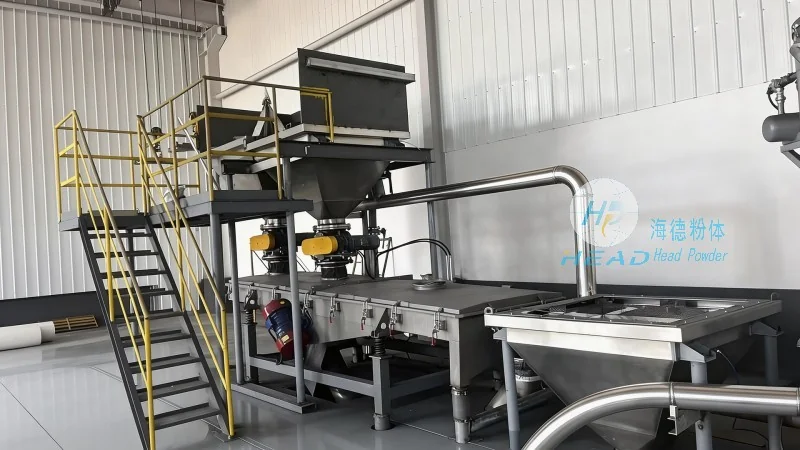
Organic fertilizer pneumatic conveying equipment operates by using air pressure to move bulk organic materials through a pipeline system. This method is particularly advantageous for transporting materials that are difficult to handle with traditional mechanical conveyors, such as fine powders or sticky substances. The system typically consists of a blower or compressor, a hopper for material storage, a pipeline network, and a receiver for the discharged material. The core of the system is the air flow, which is controlled to create a vacuum or pressure that propels the material through the system. This approach minimizes the need for physical contact with the material, reducing wear and tear on equipment and preventing contamination from external sources.
The design of organic fertilizer pneumatic conveying equipment is guided by several critical principles to ensure optimal performance and efficiency. First, the system must be designed to handle the specific properties of organic materials, including their moisture content, particle size distribution, and flow characteristics. For instance, materials with high moisture content may require additional drying or conditioning before conveyance to prevent clogging or blockages. Second, the air velocity and pressure must be carefully controlled to maintain a consistent flow rate while minimizing energy consumption. Excessive air velocity can lead to increased energy costs and potential damage to the pipeline, while insufficient velocity may cause material settling or system inefficiencies. Third, the system's layout and components must be selected to accommodate the operational scale and environmental conditions. This includes considerations for the length and diameter of the pipeline, the number of bends and fittings, and the placement of hoppers and receivers to ensure smooth material transfer. Additionally, the design must incorporate features for material separation and cleaning, as organic materials can leave residue on system components, affecting long-term performance.
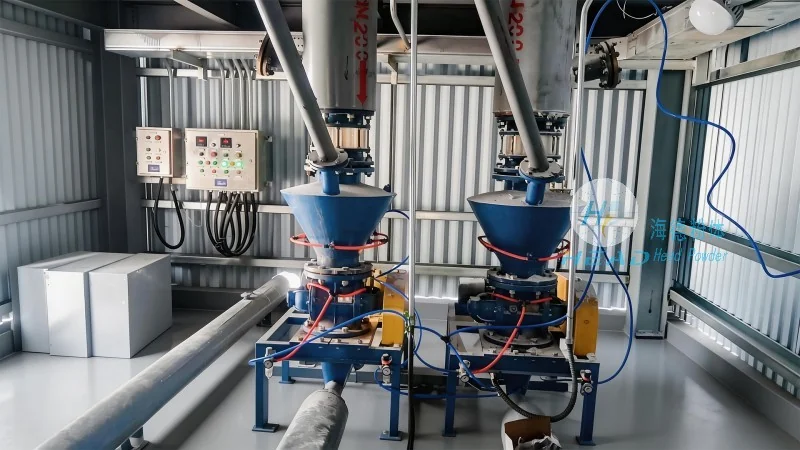
The primary components of an organic fertilizer pneumatic conveying system include the air source, material feed system, pipeline network, and material discharge unit. The air source, often a high-efficiency blower or centrifugal fan, provides the necessary pressure and airflow to move the material. The material feed system typically consists of a hopper with a feeder mechanism, such as a rotary valve or screw feeder, which controls the rate at which material is introduced into the system. The pipeline network is constructed from materials resistant to corrosion and wear, such as stainless steel or special plastics, to withstand the abrasive nature of organic materials. The pipeline may include various components like bends, elbows, and tees to direct the material flow, and may also incorporate filters or cyclones to separate air from the material at the discharge point. The material discharge unit, often a receiver or silo, collects the conveyed material and may include a discharge valve or conveyor to transfer it to the next processing stage. Each component is designed to work in harmony to ensure the system operates smoothly and efficiently, with minimal downtime and maintenance.
Organic fertilizer pneumatic conveying equipment offers several advantages over traditional mechanical conveying methods. These include reduced labor costs due to automated material handling, improved safety by minimizing direct contact with organic materials, and enhanced hygiene by preventing dust and contamination. The system also allows for flexible and scalable operations, as the pipeline layout can be easily modified to accommodate changes in production volume or material types. In fertilizer production, this technology is widely used in the processing of compost, manure, and other organic waste, where it is essential to transport materials from storage facilities to processing units or from processing units to packaging areas. The efficiency of pneumatic conveying systems ensures that organic materials are handled quickly and effectively, supporting the overall production schedule and quality standards. Additionally, the system's ability to handle bulk materials reduces the need for manual handling, which is particularly beneficial in large-scale fertilizer production facilities where material volumes are high and operational speeds are critical.
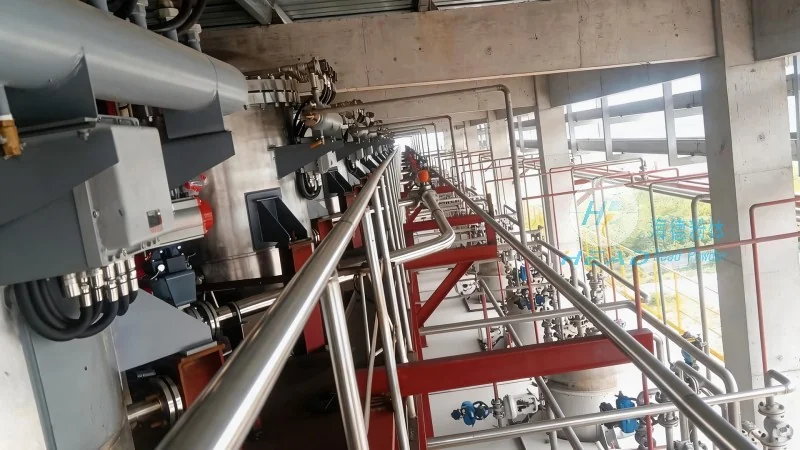
When integrating organic fertilizer pneumatic conveying equipment into a fertilizer production facility, several considerations must be taken into account to ensure optimal performance and longevity. First, the system must be designed to match the specific requirements of the facility, including the type and volume of organic materials to be handled, the operational speed, and the available space. This involves careful planning of the pipeline layout to minimize the length and number of bends, as longer pipelines and more bends increase energy consumption and the risk of blockages. Second, the selection of materials for the pipeline and components is critical, as organic materials can be corrosive or abrasive. Stainless steel or high-quality plastics are commonly used to withstand the harsh conditions and extend the system's lifespan. Third, regular maintenance is essential to prevent system failures and ensure consistent performance. This includes routine cleaning of the pipeline and components to remove residue, checking the air source and feeder mechanisms for wear and tear, and monitoring the system's pressure and flow rates. Proper maintenance can significantly reduce downtime and operational costs, ensuring the system continues to operate efficiently over its service life.
Shandong HeadPowder Engineering Co., Ltd. is a leading manufacturer of organic fertilizer pneumatic conveying equipment, specializing in providing customized solutions for the agricultural and fertilizer industries. With a focus on innovation and quality, the company has developed advanced systems that meet the specific needs of modern fertilizer production facilities. HeadPowder's equipment is designed to enhance operational efficiency, reduce costs, and improve safety in material handling processes. The company's commitment to customer satisfaction and technical excellence has made it a trusted partner for businesses seeking reliable and efficient organic fertilizer conveying solutions. HeadPowder's facilities are located in Shandong, China, where the company leverages local expertise and resources to deliver high-quality products and services to clients worldwide.

 Shandong Headpowder Engineering Co., Ltd.
 156-6277-7102(Manager Zhang)
  0531-83386006
  Zhangqiu District, Jinan City, Shandong Province, China
telephone
WeChatconsult
top