With more than 10‑year industry experience, Shandong Headpowder delivers full‑service pneumatic‑conveying systems and blowers, undertaking nationwide turn‑key powder‑handling projects.
Calcium chloride is a widely used chemical in various industrial applications, and its efficient transportation is crucial for maintaining production efficiency. Pneumatic conveying systems offer a reliable method for moving calcium chloride, and understanding the key structures of such systems is essential for optimizing performance and ensuring safe operation. This article provides an overview of the main components and structures involved in calcium chloride pneumatic conveying systems, presented by Shandong HeadPowder Engineering Co., Ltd., a leading provider in the field.
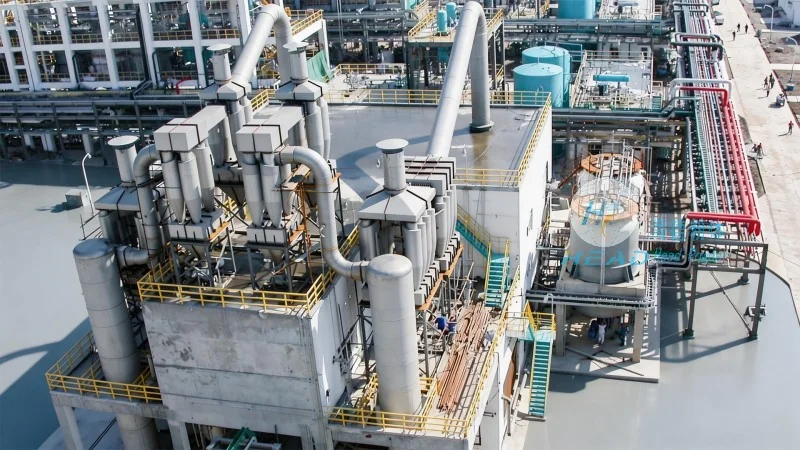
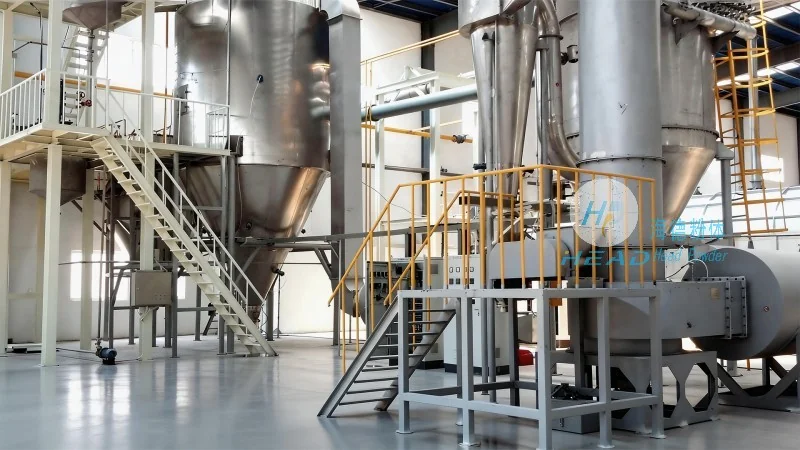
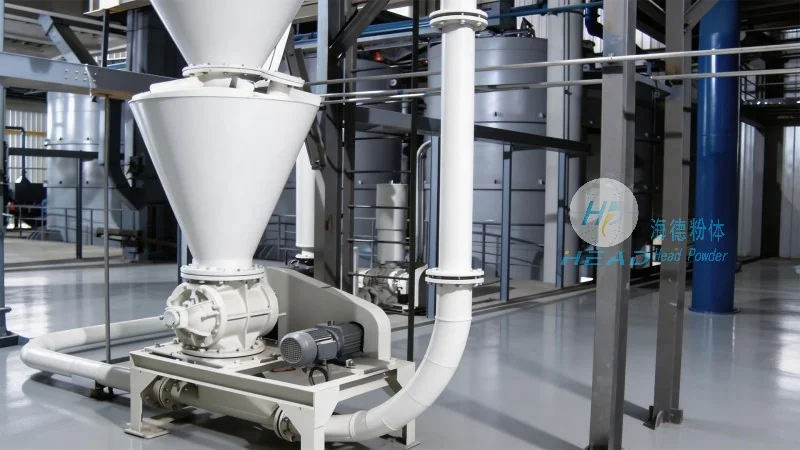
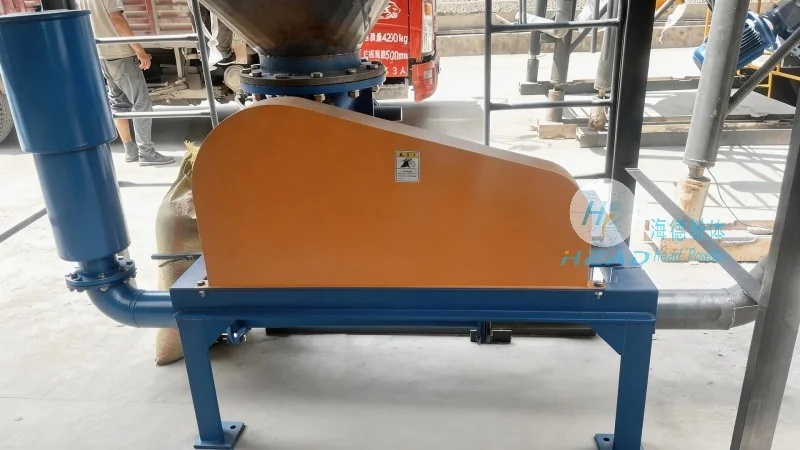
The calcium chloride pneumatic conveying system typically consists of several critical components that work together to facilitate the movement of the material. These components are designed to handle the unique properties of calcium chloride, such as its hygroscopic nature and potential for dust generation. The primary structures include the material feed system, air supply equipment, conveying lines, separation units, and control mechanisms. Each component plays a vital role in ensuring the system operates smoothly and efficiently.
The material feed system is the starting point of the calcium chloride pneumatic conveying process. It is responsible for introducing the calcium chloride into the system in a controlled manner. Common feed methods include screw feeders, rotary valves, and pneumatic feeders. These devices ensure a consistent flow of material into the conveying line, preventing blockages and maintaining the desired flow rate. The choice of feed equipment depends on the bulk density, flow characteristics, and particle size of the calcium chloride being handled. For example, if the calcium chloride has a high bulk density and is prone to bridging, a heavy-duty screw feeder with a variable speed drive may be used to regulate the feed rate accurately. The feed system is typically equipped with a hopper or bin that stores the material, allowing for continuous operation without frequent stops. The hopper is often lined with a non-stick material or coated to prevent the calcium chloride from adhering to the walls, which could lead to material buildup and blockages. Additionally, the feed system may include a pre-screening or magnetic separator to remove any foreign objects or metal contaminants from the calcium chloride, ensuring the material entering the conveying line is clean and free from debris. This step is crucial for maintaining the integrity of the downstream components and preventing damage to the system.

 Shandong Headpowder Engineering Co., Ltd.
 156-6277-7102(Manager Zhang)
  0531-83386006
  Zhangqiu District, Jinan City, Shandong Province, China
telephone
WeChatconsult
top