With more than 10‑year industry experience, Shandong Headpowder delivers full‑service pneumatic‑conveying systems and blowers, undertaking nationwide turn‑key powder‑handling projects.
HeadPowder, a leading engineering company based in Shandong, China, specializes in the design, manufacturing, and implementation of advanced pneumatic conveying systems. This article provides an overview of silica sand pneumatic conveying technology and delves into the fundamental working principles that underpin these systems.
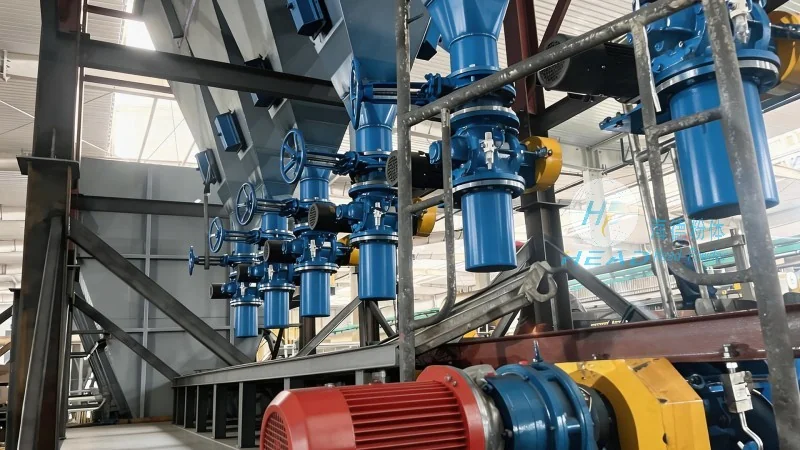
Silica sand, a key raw material in various industries including construction, glass manufacturing, and foundries, often requires efficient and reliable transport methods. Pneumatic conveying offers a solution that minimizes dust exposure, reduces material handling costs, and enhances overall operational safety compared to traditional methods like belt conveyors or bucket elevators.
Pneumatic conveying systems operate by transporting bulk materials, such as silica sand, using a stream of air. The process typically involves a series of components, including a hopper for material storage, a feeder to control the flow rate, a conveying line (often equipped with bends and filters), and a receiver for the discharged material. The system can be categorized into two main types: pressure and vacuum systems.
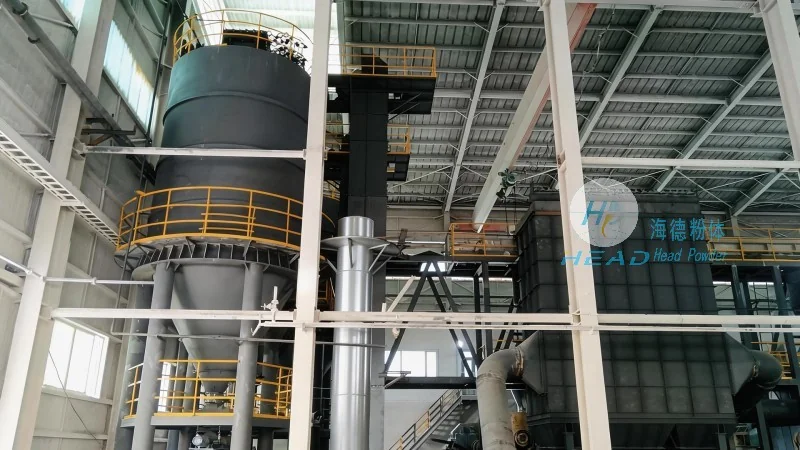
In a pressure system, air is compressed and forced through the conveying line, carrying the silica sand particles along. This method is suitable for short to medium distances and can handle abrasive materials like silica sand effectively. Conversely, vacuum systems use a vacuum pump to draw material from the source and move it through the line. Vacuum systems are ideal for longer distances or when the material needs to be transported from multiple sources.
Each component in a pneumatic conveying system plays a critical role in ensuring efficient operation. The hopper stores the silica sand and provides a consistent feed to the feeder. The feeder, often a rotary valve or a screw feeder, regulates the material flow rate, preventing overloading or underflow that could disrupt the conveying process. The conveying line, usually made of stainless steel or other corrosion-resistant materials, is designed to withstand the abrasive nature of silica sand and maintain air pressure or vacuum levels. Filters are integrated into the system to capture any fine particles that may escape, protecting downstream equipment and maintaining air quality. The receiver collects the conveyed silica sand and may include a discharge valve to control the release of material.
Implementing pneumatic conveying for silica sand offers several advantages. Firstly, it significantly reduces dust generation and exposure, improving workplace safety and compliance with environmental regulations. Secondly, the system minimizes material degradation and loss, as the sand is conveyed in a closed environment, preventing contamination or spillage. Thirdly, pneumatic conveying systems are flexible and can be easily integrated into existing production lines, allowing for adjustments in material flow and processing. Additionally, these systems can handle a wide range of particle sizes and moisture contents, making them versatile for various industrial applications.
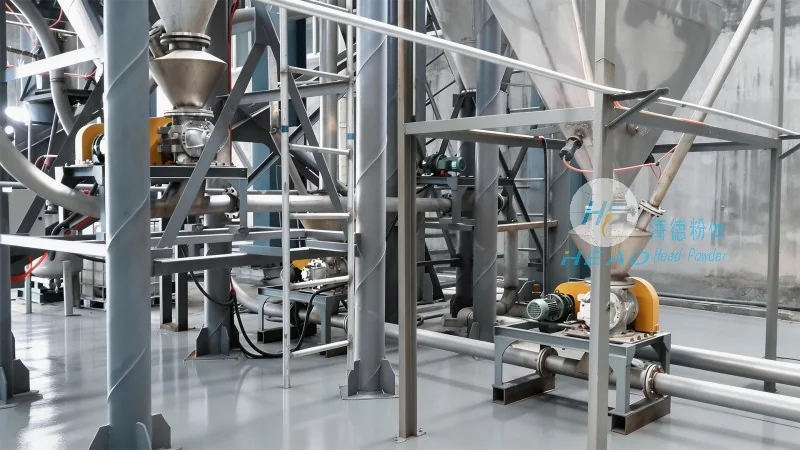
Silica sand pneumatic conveying systems are widely used in industrial settings where bulk material transport is essential. In the glass industry, for example, silica sand is conveyed to furnaces for glass production, where precise control over the material flow is crucial for maintaining product quality. In construction, silica sand is used in concrete production, and pneumatic conveying ensures efficient delivery to mixing plants. Foundries also rely on these systems to transport silica sand for mold making and other processes, where consistent material quality is vital for the final product.
HeadPowder Engineering Co., Ltd., with its headquarters in Shandong, China, provides comprehensive solutions for silica sand pneumatic conveying systems. By understanding the working principles and advantages of these systems, industries can enhance their operational efficiency, improve safety standards, and reduce costs associated with material handling. The company's expertise in designing and implementing customized pneumatic conveying solutions ensures that clients receive systems tailored to their specific needs, supporting long-term productivity and sustainability in their operations.

 Shandong Headpowder Engineering Co., Ltd.
 156-6277-7102(Manager Zhang)
  0531-83386006
  Zhangqiu District, Jinan City, Shandong Province, China
telephone
WeChatconsult
top