

Introduction to Magnesium Hydroxide Pneumatic Conveying and the Working Principle of Pneumatic Conve
At Shandong HeadPowder Engineering Co., Ltd., we specialize in providing advanced solutions for material handling, with a particular focus on the efficient and reliable transportation of magnesium hydroxide through pneumatic conveying systems. This article aims to provide a comprehensive overview of magnesium hydroxide pneumatic conveying, detailing the fundamental principles behind pneumatic conveying systems and how they are applied in the handling of this specific material.
Understanding Pneumatic Conveying Systems
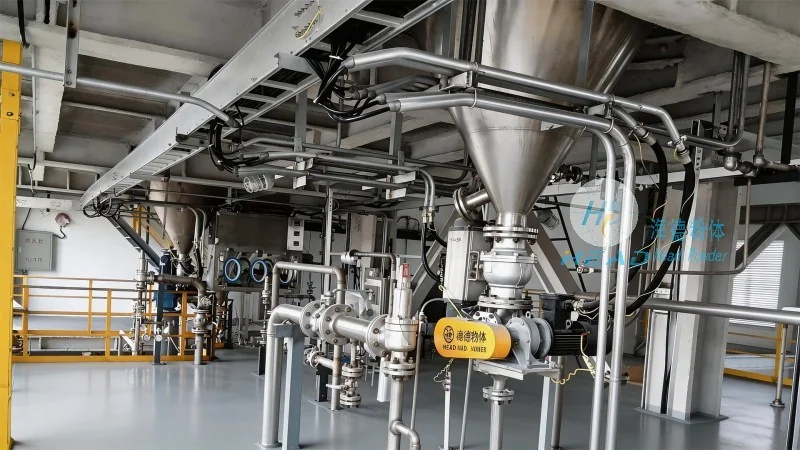
Pneumatic conveying, also known as air conveying, is a method of transporting bulk materials from one location to another using a stream of pressurized or vacuum air. This technology is widely used across various industries due to its ability to handle a wide range of materials, including powders, granules, and fine particles, with minimal product degradation. The core components of a pneumatic conveying system typically include a material feed hopper, a conveyor line (either positive pressure or negative pressure), and a receiver or discharge point. The system operates by either blowing air into the material to push it forward (positive pressure) or creating a vacuum to pull the material through the system (negative pressure).
Key Components of a Pneumatic Conveying System
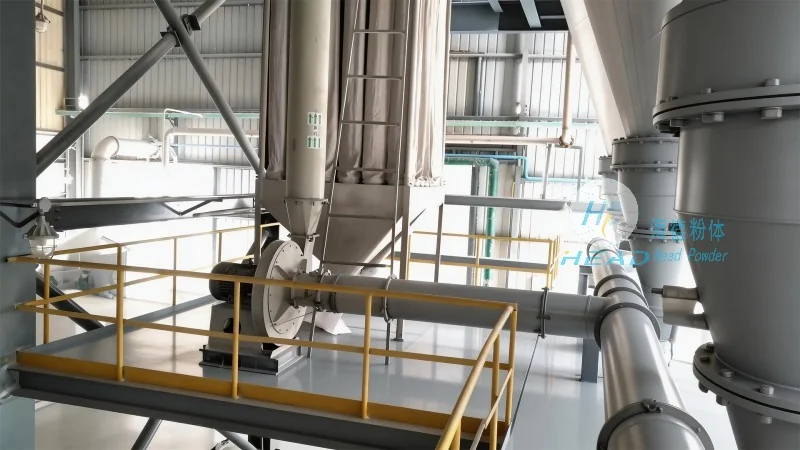
The effectiveness of a pneumatic conveying system for magnesium hydroxide depends on several critical components. The material feed hopper is designed to store and feed the magnesium hydroxide into the conveyor line. It often includes a rotary valve or a feeder to control the flow rate and prevent material bridging or clogging. The conveyor line itself is made of materials resistant to the chemical properties of magnesium hydroxide, such as stainless steel or specialized plastics, to ensure durability and prevent contamination. The air compressor or vacuum pump provides the necessary pressure or vacuum to move the material through the system. Additionally, filters and cyclones are used to separate the material from the air stream, ensuring that the material is collected efficiently and the air is cleaned before being released.
Working Principle of Magnesium Hydroxide Pneumatic Conveying
The process of pneumatic conveying magnesium hydroxide involves several steps. First, the magnesium hydroxide is fed into the hopper from a storage silo or bag. The rotary valve then controls the flow of material into the conveyor line. Simultaneously, the air compressor generates a high-pressure air stream that is introduced into the conveyor line. As the air and material mix, the material is suspended in the air stream and transported to the receiver. The receiver is typically a large tank or hopper where the material is collected. The air, now carrying fine particles, passes through a filter or cyclone, where the magnesium hydroxide is separated from the air. The cleaned air is then discharged, while the material is collected and ready for further processing or packaging.
Advantages of Using Pneumatic Conveying for Magnesium Hydroxide
There are several advantages to using pneumatic conveying systems for magnesium hydroxide. One of the primary benefits is the ability to transport the material over long distances without the need for multiple transfer points or mechanical conveyors. This reduces the risk of material contamination and product degradation. Pneumatic conveying also offers a high degree of flexibility, as the system can be easily adjusted to handle varying flow rates and material types. Additionally, the system is relatively compact and can be installed in confined spaces, making it suitable for facilities with limited floor space. Another advantage is the reduced labor costs associated with manual handling, as the system automates the material transport process. Finally, pneumatic conveying systems are generally more energy-efficient compared to traditional mechanical systems, as they use air as the primary transport medium rather than mechanical components.
Applications of Magnesium Hydroxide Pneumatic Conveying
Magnesium hydroxide is widely used in various industries, including pharmaceuticals, food, and chemical manufacturing. Pneumatic conveying systems are particularly well-suited for handling this material due to its fine particle size and potential for dust generation. In pharmaceutical applications, the material is used as a filler or excipient in drug formulations. The pneumatic conveying system ensures that the material is transported in a clean and controlled manner, minimizing the risk of contamination. In the food industry, magnesium hydroxide is used as a food additive, and the system helps maintain the quality and purity of the material during transport. In chemical manufacturing, the material is used as a precursor for other chemical products, and the system provides an efficient way to move it from storage to processing equipment.
Considerations for Implementing Magnesium Hydroxide Pneumatic Conveying Systems
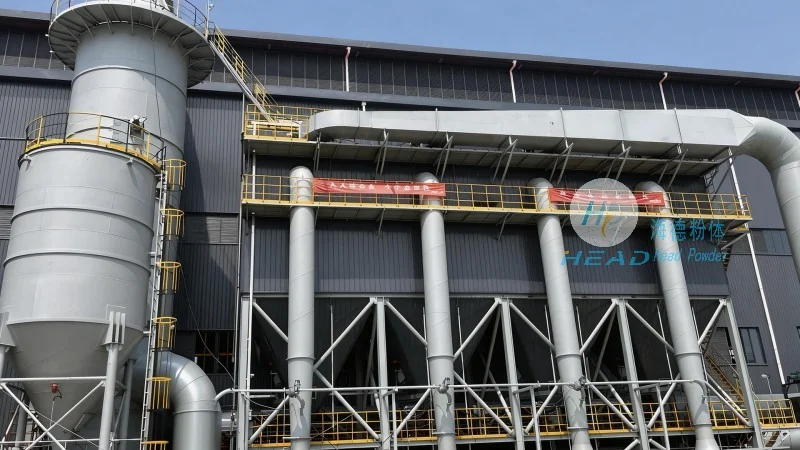
When implementing a pneumatic conveying system for magnesium hydroxide, several factors must be considered to ensure optimal performance and efficiency. The first consideration is the material's properties, such as its particle size, density, and flowability. These characteristics will determine the appropriate conveying velocity and system design. For example, finer particles may require higher air velocities to prevent clogging, while larger particles may need lower velocities to avoid excessive wear on the system components. The second consideration is the system's capacity and flow rate. The system must be designed to handle the required throughput, ensuring that the material is transported at a consistent rate without overloading the conveyor line. The third consideration is the system's pressure and vacuum levels. The appropriate pressure or vacuum must be maintained to ensure that the material is transported efficiently without causing excessive energy consumption or damage to the system. Finally, the system's maintenance and cleaning procedures must be considered to ensure long-term operation and prevent material buildup or contamination.
Conclusion
Shandong HeadPowder Engineering Co., Ltd. specializes in providing high-quality pneumatic conveying systems for the efficient handling of magnesium hydroxide. By understanding the fundamental principles of pneumatic conveying and considering the specific properties of magnesium hydroxide, we can design and implement systems that are reliable, efficient, and cost-effective. Our expertise in material handling ensures that our customers receive the best possible solution for their specific needs, helping them to improve their production processes and maintain product quality. Whether you are in the pharmaceutical, food, or chemical industry, our pneumatic conveying systems can help you to transport magnesium hydroxide safely and efficiently.