With more than 10‑year industry experience, Shandong Headpowder delivers full‑service pneumatic‑conveying systems and blowers, undertaking nationwide turn‑key powder‑handling projects.
For industrial applications involving yeast handling, efficient and reliable material transport is crucial. Pneumatic conveying systems offer a sophisticated solution for moving yeast and other fine powders, ensuring minimal product degradation and optimal process control. This article provides an overview of yeast pneumatic conveying, detailing the working principles and technical aspects of such systems.
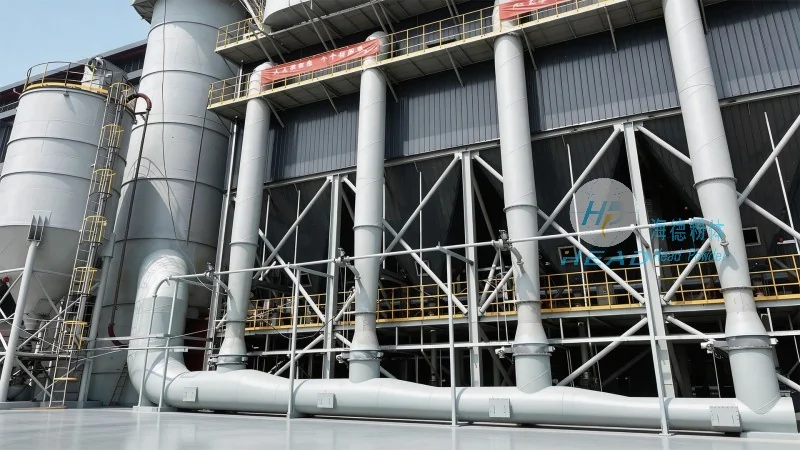
Shandong HeadPowder Engineering Co., Ltd., commonly known as headpowder, is a leading manufacturer specializing in pneumatic conveying equipment and related engineering solutions. With a strong presence in China, particularly in Shandong province, the company has built a reputation for delivering high-quality, customized systems tailored to the unique needs of the food, pharmaceutical, and chemical industries. Their expertise lies in designing and implementing efficient pneumatic conveying systems that enhance productivity and maintain product integrity.
Pneumatic conveying, also known as pneumatic transport, is a method of transporting bulk materials through a pipeline using pressurized air or a vacuum. This technology is widely used in various industries due to its ability to handle fine powders like yeast without the need for mechanical components that might cause contamination or product damage. The system typically consists of a hopper, a conveyor line, and a control unit, all working in tandem to ensure smooth material flow.
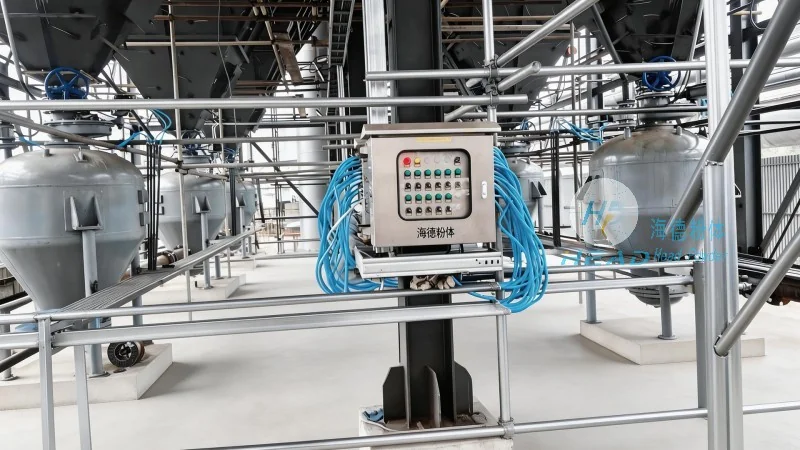
The core of a pneumatic conveying system is the creation of a pressure differential that propels the material through the pipeline. In a typical positive pressure system, compressed air is introduced into the hopper, where it lifts and transports the yeast particles along the conveyor line. The air velocity is carefully controlled to maintain a stable flow, preventing particle segregation and ensuring consistent delivery to the destination. Conversely, negative pressure systems use a vacuum to draw the material from the source, which is particularly useful for applications requiring dust-free or low-temperature transport.
Several critical components make up an effective yeast pneumatic conveying system. The hopper serves as the storage and feeding unit, equipped with a feeder that regulates the flow of yeast into the system. The conveyor line, often made of stainless steel or other corrosion-resistant materials, ensures durability and hygiene, essential for food-grade applications. The control unit monitors and adjusts air pressure, flow rates, and system performance, providing real-time feedback to maintain optimal operation. Additionally, filters and cyclones are used to separate the air from the material, preventing dust accumulation and ensuring clean operation.
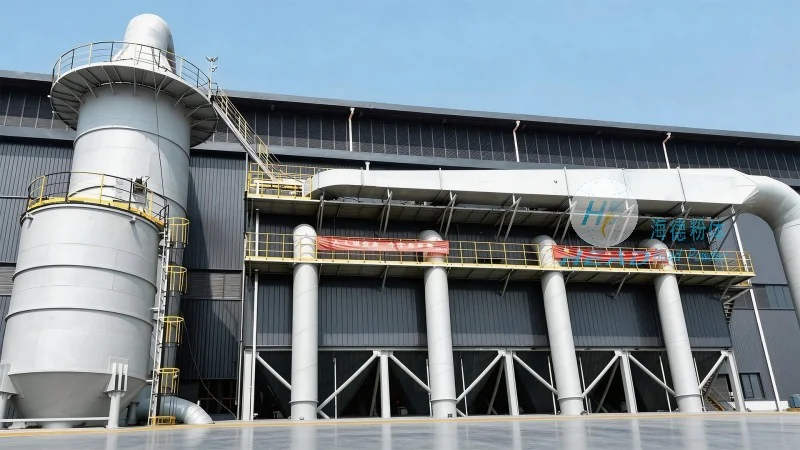
Implementing a pneumatic conveying system for yeast handling offers numerous advantages. Firstly, it minimizes product contamination by eliminating direct contact with mechanical parts, which is critical in industries where hygiene standards are stringent. Secondly, the system reduces material degradation by maintaining low temperatures and preventing agglomeration, preserving the quality and functionality of the yeast. Thirdly, it enhances operational efficiency through automated control and consistent flow rates, reducing downtime and labor costs. Finally, the compact design of pneumatic conveying systems saves space, making them suitable for facilities with limited floor area.
In the food and beverage sector, yeast is commonly used in fermentation processes for bread, beer, and other products. Pneumatic conveying systems are particularly valuable in these applications as they allow for the safe and efficient transfer of yeast from storage to production lines. For example, in a bakery, yeast can be pneumatically conveyed from a bulk storage tank to the mixing equipment, ensuring a uniform and consistent addition to dough formulations. Similarly, in a brewery, yeast can be transported from the fermentation tanks to the packaging line, maintaining the integrity of the product and preventing contamination.
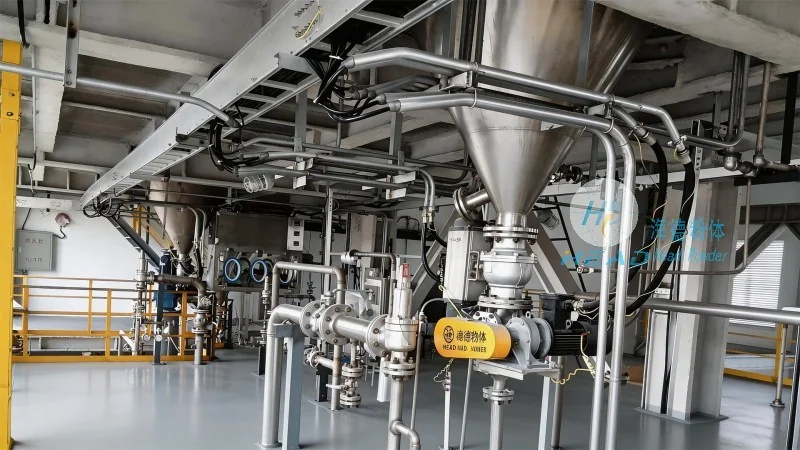
headpowder recognizes that each industrial application has unique requirements, and therefore, offers customized pneumatic conveying solutions. Their engineering team works closely with clients to design systems that meet specific flow rates, material characteristics, and environmental conditions. Regular maintenance is also essential to ensure the longevity and efficiency of the system. This includes cleaning filters, checking air pressure, and inspecting conveyor lines for wear and tear. By adhering to a proper maintenance schedule, users can maximize the lifespan of their equipment and minimize operational disruptions.
Pneumatic conveying systems represent a sophisticated and efficient method for handling yeast and other fine powders in industrial settings. By understanding the working principles and key components of such systems, industries can enhance their operational efficiency, maintain product quality, and comply with stringent hygiene standards. With its expertise in pneumatic conveying technology, Shandong HeadPowder Engineering Co., Ltd. provides reliable solutions that cater to the diverse needs of the food, pharmaceutical, and chemical industries, ensuring optimal performance and customer satisfaction.

 Shandong Headpowder Engineering Co., Ltd.
 156-6277-7102(Manager Zhang)
  0531-83386006
  Zhangqiu District, Jinan City, Shandong Province, China
telephone
WeChatconsult
top