With more than 10‑year industry experience, Shandong Headpowder delivers full‑service pneumatic‑conveying systems and blowers, undertaking nationwide turn‑key powder‑handling projects.
Wheat flour pneumatic conveying is a critical process in the food processing industry, particularly for handling fine powders like wheat flour. This method involves transporting bulk materials through a pipeline using air or other gas streams, offering advantages such as dust control, reduced contamination, and efficient material movement. Understanding the working principle of pneumatic conveying systems is essential for optimizing operations in flour mills and related facilities.
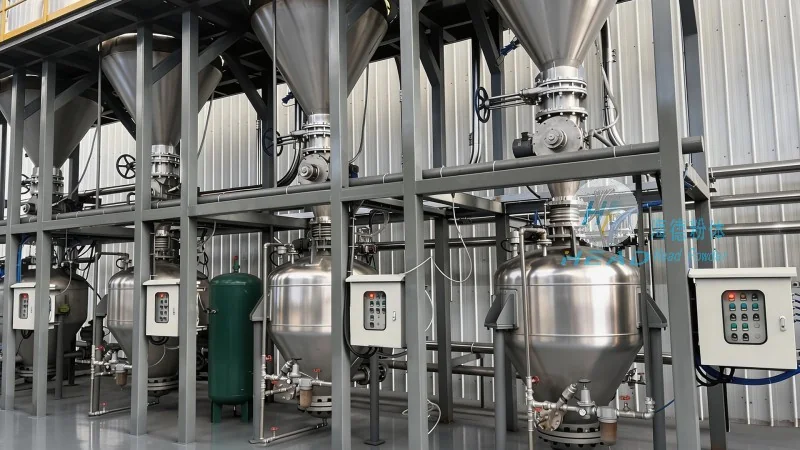
HeadPowder, also known as Shandong HeadPowder Engineering Co., Ltd., is a reputable company based in Shandong, China, specializing in the design, manufacturing, and installation of pneumatic conveying systems. With years of experience in the industry, HeadPowder has established itself as a trusted partner for businesses seeking reliable and efficient solutions for wheat flour and other powder handling needs. The company's commitment to quality and innovation has enabled it to serve a wide range of clients, from small-scale bakeries to large-scale flour mills.
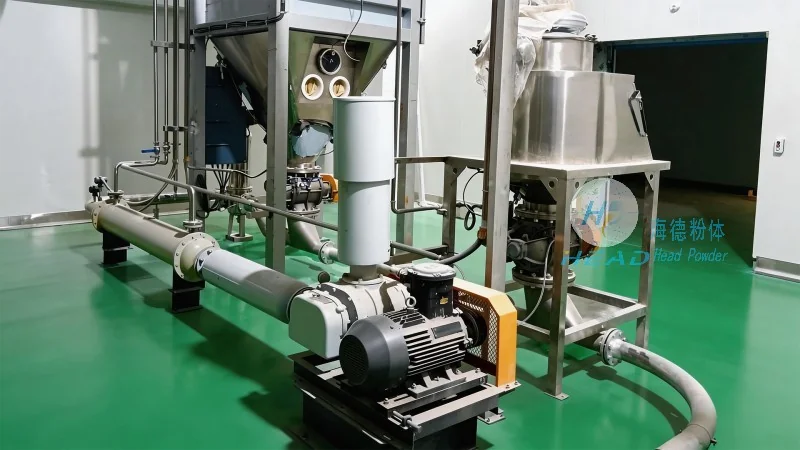
Pneumatic conveying systems operate by creating a pressure differential between the inlet and outlet of a pipeline. In the case of wheat flour, the system typically uses a positive pressure or negative pressure method to move the material. Positive pressure systems force air and flour through the pipeline using a blower or compressor, while negative pressure systems create a vacuum to draw the material into the line. The choice of method depends on factors such as the material's properties, the distance to be conveyed, and the desired flow rate.
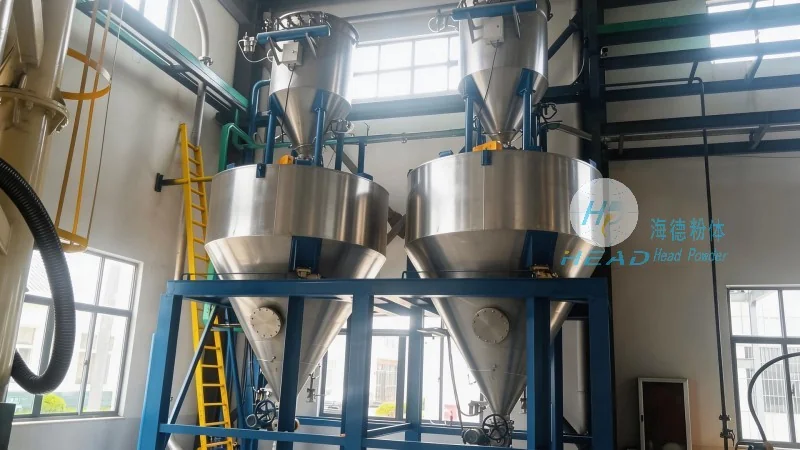
A typical wheat flour pneumatic conveying system consists of several key components that work together to ensure efficient material transport. These include a hopper or feeder to supply the flour, a conveyor line with appropriate diameter and length, a blower or vacuum pump to generate the air flow, and a receiver or discharge hopper to collect the material at the destination. Additional components may include filters, cyclones, and control valves to manage dust, separate particles, and regulate the flow. The design of each component is crucial for optimizing the system's performance and ensuring the quality of the flour remains intact during transport.
Implementing a pneumatic conveying system for wheat flour offers numerous benefits that enhance operational efficiency and product quality. One of the primary advantages is the ability to control dust and prevent contamination, which is critical in food processing environments. Unlike mechanical conveyors, pneumatic systems do not require physical contact with the material, reducing the risk of cross-contamination and maintaining the flour's purity. Additionally, pneumatic conveying allows for flexible routing of the pipeline, enabling the material to be transported to multiple destinations without the need for complex reconfiguration. This flexibility is particularly valuable in large-scale facilities where space and layout constraints are common.
Wheat flour pneumatic conveying systems are widely used in various applications within the flour industry. These include transporting flour from storage silos to processing equipment, moving flour between different stages of the milling process, and delivering flour to packaging lines. The systems are also used in blending operations, where different types of flour are combined to create specialized products. By using pneumatic conveying, flour mills can achieve consistent flow rates, reduce downtime, and improve overall productivity. Furthermore, the systems can be integrated with other automation technologies, such as sensors and control systems, to monitor and adjust the conveying process in real-time, ensuring optimal performance.
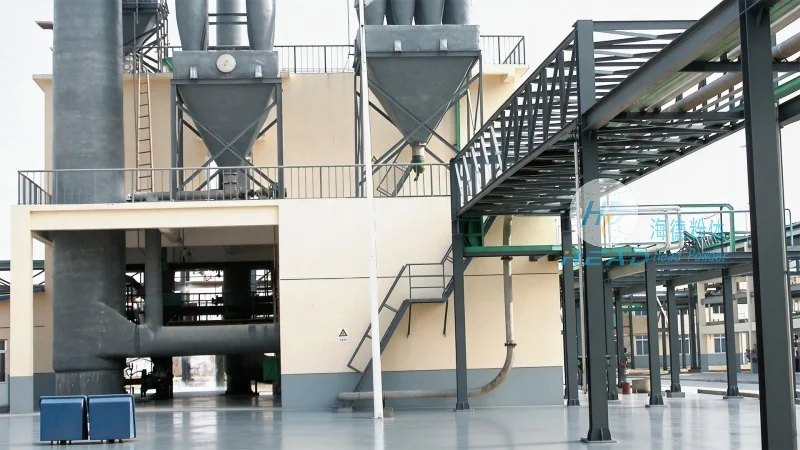
Proper maintenance and operational management are essential for maximizing the lifespan and efficiency of a wheat flour pneumatic conveying system. Regular cleaning of the pipeline and components is necessary to prevent the buildup of flour residue, which can affect the system's performance and increase the risk of blockages. Filters and cyclones should be checked and replaced as needed to maintain air quality and prevent dust accumulation. Additionally, the blower or vacuum pump should be inspected regularly to ensure it is operating within its optimal range. Proper training of personnel on the system's operation and maintenance is also crucial for preventing issues and ensuring safe and efficient operation.
Wheat flour pneumatic conveying is a highly effective method for transporting fine powders in the food industry, offering numerous advantages over traditional mechanical systems. HeadPowder, with its expertise and experience in pneumatic conveying solutions, provides reliable and efficient systems that meet the needs of modern flour mills. By understanding the working principle and key components of these systems, businesses can optimize their operations, improve product quality, and enhance overall productivity. As the demand for high-quality flour continues to grow, the importance of efficient and reliable conveying systems will only increase, making pneumatic conveying an essential technology in the flour industry.

 Shandong Headpowder Engineering Co., Ltd.
 156-6277-7102(Manager Zhang)
  0531-83386006
  Zhangqiu District, Jinan City, Shandong Province, China
telephone
WeChatconsult
top