With more than 10‑year industry experience, Shandong Headpowder delivers full‑service pneumatic‑conveying systems and blowers, undertaking nationwide turn‑key powder‑handling projects.
HeadPowder, a leading provider in the field of material handling solutions, specializes in advanced pneumatic conveying systems designed for the efficient transport of various bulk materials, including crystal particles. This article provides an overview of crystal particle pneumatic conveying technology and explains the fundamental working principles of such systems, highlighting the expertise and capabilities of Shandong HeadPowder Engineering Co., Ltd., headquartered in Shandong, China.
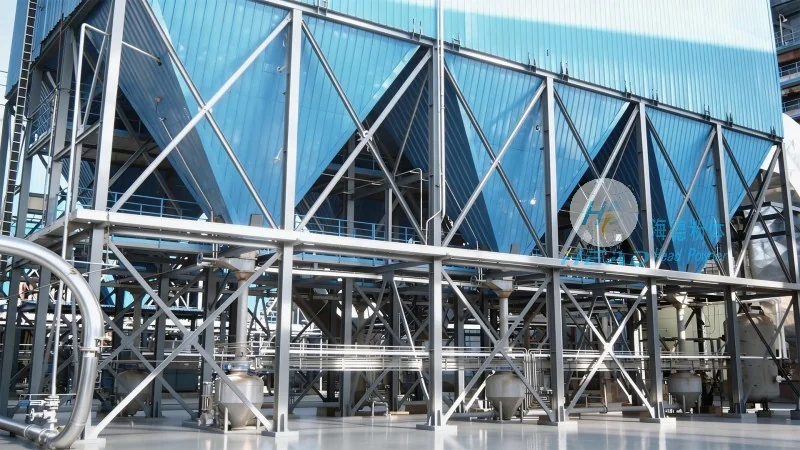
Pneumatic conveying systems are mechanical systems that use pressurized air or vacuum to transport bulk materials from one location to another. These systems are widely used in industries such as pharmaceuticals, food processing, chemicals, and minerals, where the handling of delicate or abrasive materials requires precise and controlled movement. The technology offers several advantages over traditional methods like belt conveyors or bucket elevators, including reduced contamination risk, lower maintenance requirements, and the ability to handle materials in a closed system, minimizing dust exposure and environmental impact.
A typical pneumatic conveying system consists of several essential components that work in tandem to achieve efficient material transport. These components include a material feed hopper, a conveyor line (either positive pressure or negative pressure), a separation or filter system, and a discharge outlet. The material feed hopper is responsible for storing and feeding the crystal particles into the system. The conveyor line, which can be either positive pressure (where air is forced through the system) or negative pressure (where air is drawn out), is the core of the system, responsible for moving the particles along the pipeline. The separation or filter system is crucial for removing any air or fine particles from the material stream, ensuring that the final product is clean and free from contaminants. Finally, the discharge outlet allows the material to be released at the desired destination.
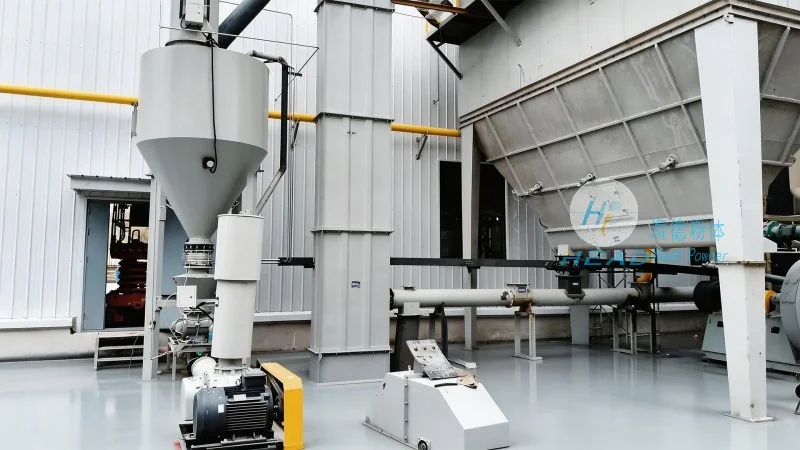
The working principle of crystal particle pneumatic conveying involves the use of air to create a fluidized or suspended state of the particles within the conveying line. In positive pressure systems, a blower or compressor generates high-pressure air that is introduced into the material feed hopper. As the air flows through the hopper and into the pipeline, it lifts and suspends the crystal particles, carrying them along the conveyor line. The velocity of the air is carefully controlled to ensure that the particles remain suspended without causing excessive wear on the system components. In negative pressure systems, a vacuum pump creates a low-pressure environment that draws the material and air mixture from the feed hopper into the pipeline, moving the particles towards the discharge point. The system design, including the diameter of the pipeline, the length of the conveyor line, and the air flow rate, is optimized to achieve the desired conveying efficiency and minimize energy consumption.
Crystal particle pneumatic conveying offers numerous benefits that make it an ideal choice for handling delicate or high-value materials. One of the primary advantages is the ability to transport materials in a closed system, which prevents contamination from external sources and reduces dust emissions, making it suitable for applications in pharmaceutical and food industries where product purity is paramount. Additionally, the system provides gentle handling of the crystal particles, minimizing breakage or degradation, which is critical for maintaining the quality and integrity of the material. The flexibility of pneumatic conveying systems allows for easy integration with existing production lines and the ability to transport materials over long distances or vertical elevations without the need for complex machinery. Furthermore, the system can be easily scaled to accommodate varying material volumes, making it adaptable to different production requirements.
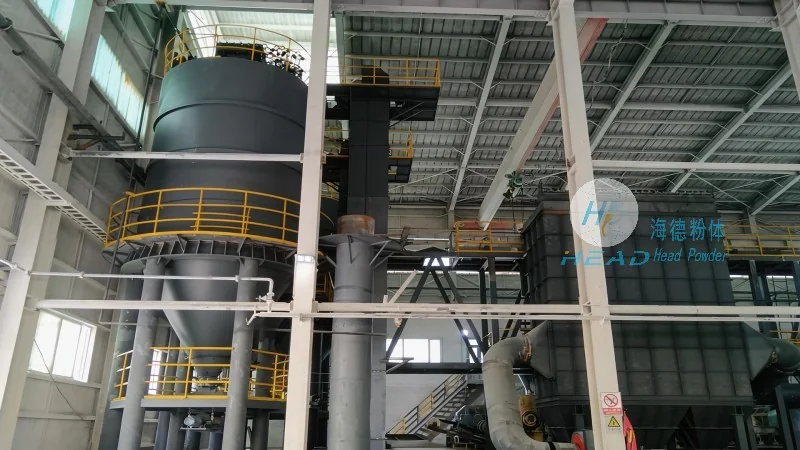
Crystal particle pneumatic conveying systems are widely applied across multiple industries due to their versatility and efficiency. In the pharmaceutical industry, these systems are used to transport active pharmaceutical ingredients (APIs) and excipients, ensuring that the materials are handled in a sterile and controlled environment. In the food processing industry, they are employed to convey ingredients such as sugar, spices, and vitamins, maintaining the freshness and quality of the products. The chemical industry utilizes pneumatic conveying for transporting powders and granules, including catalysts and reagents, while the minerals and mining sector applies the technology to move ore and other bulk materials from processing plants to storage or shipping facilities. The ability to handle a wide range of particle sizes and densities makes the system suitable for diverse applications, from fine powders to larger crystal particles.
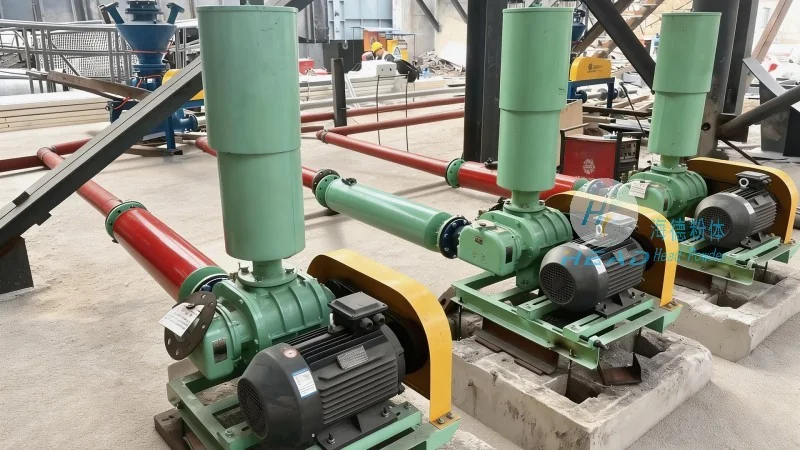
Shandong HeadPowder Engineering Co., Ltd. specializes in designing and manufacturing customized pneumatic conveying systems tailored to the specific needs of each client. The company considers factors such as the material properties (e.g., particle size, density, moisture content), the required conveying distance, and the desired throughput when designing a system. This customization ensures optimal performance and efficiency. Regular maintenance is essential to keep the system operating at peak performance. Key maintenance tasks include inspecting and cleaning the conveyor line and filters, checking the blower or vacuum pump for proper operation, and ensuring that all components are properly lubricated. Proper maintenance not only extends the lifespan of the equipment but also reduces downtime and ensures consistent material quality. HeadPowder provides comprehensive maintenance services and technical support to its clients, helping them maximize the efficiency and reliability of their pneumatic conveying systems.
Pneumatic conveying systems, particularly those designed for crystal particle transport, represent a sophisticated and efficient solution for material handling in various industries. The working principles of these systems, combined with the expertise of companies like Shandong HeadPowder Engineering Co., Ltd., enable the safe and effective transport of delicate materials while minimizing environmental impact. As industries continue to demand higher standards of product quality and operational efficiency, the role of advanced pneumatic conveying technology will only grow, making it a critical component in modern material handling processes.

 Shandong Headpowder Engineering Co., Ltd.
 156-6277-7102(Manager Zhang)
  0531-83386006
  Zhangqiu District, Jinan City, Shandong Province, China
telephone
WeChatconsult
top