With more than 10‑year industry experience, Shandong Headpowder delivers full‑service pneumatic‑conveying systems and blowers, undertaking nationwide turn‑key powder‑handling projects.
For industrial applications involving the transport of cement gray materials, understanding the core structures of pneumatic conveying systems is crucial. These systems are designed to efficiently move bulk materials like cement gray through a network of components that ensure reliable and safe operation. The primary structures of cement gray pneumatic conveying systems typically include several key elements that work in tandem to achieve optimal performance.
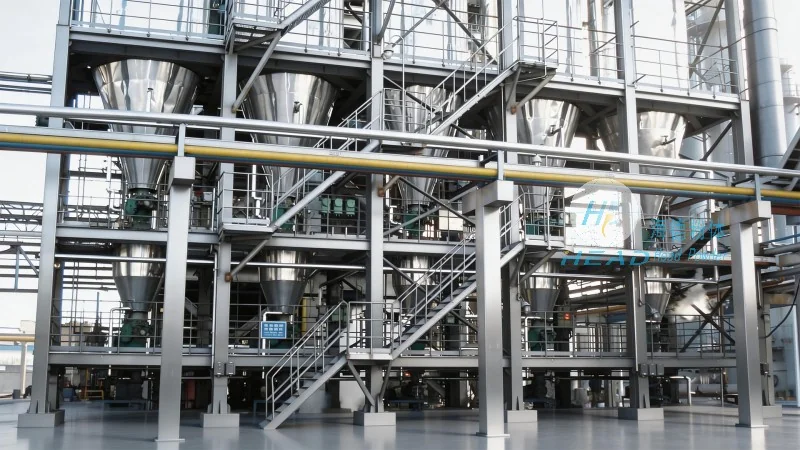
The foundation of any cement gray pneumatic conveying system lies in its essential components. These components are engineered to handle the unique properties of cement gray, such as its fine particle size and potential for dust generation. The main structures generally consist of a material hopper, a feeder mechanism, a conveying line, and a collection or discharge unit. Each component plays a vital role in the overall operation, ensuring that cement gray is transported with minimal loss and maximum efficiency.
The material hopper is the initial storage and feeding unit for cement gray. It is typically designed with a large capacity to accommodate bulk quantities of the material, ensuring a steady supply for the conveying process. The hopper is equipped with a feeder, which can be a rotary valve or a screw feeder, to regulate the flow of cement gray into the conveying line. The feeder is critical as it controls the rate at which cement gray is introduced, preventing overloading of the system and maintaining consistent pressure within the conveying line. This structure ensures that the material is fed at a controlled rate, which is essential for preventing blockages and maintaining the system's efficiency.
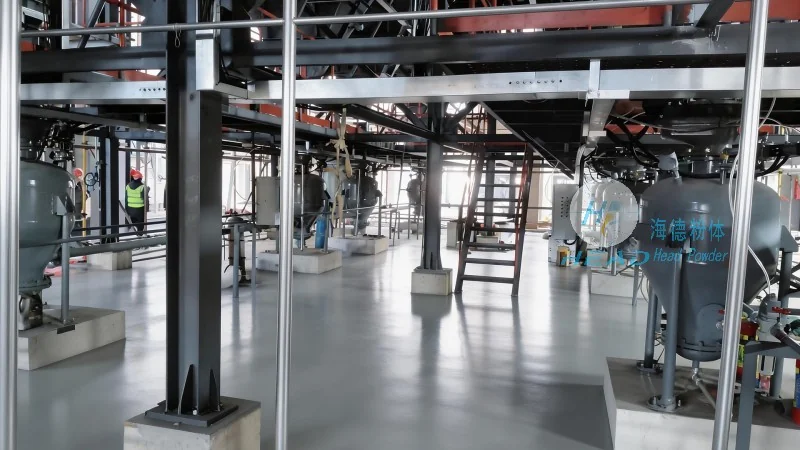
The conveying line is the central pathway through which cement gray is transported. It is usually made of durable materials like stainless steel or plastic, chosen for their resistance to corrosion and wear from the cement gray particles. The line is connected to an air supply system, which can be either positive pressure or negative pressure, depending on the specific application. Positive pressure systems use a blower to force air through the line, while negative pressure systems use a vacuum to draw the material and air mixture. The air supply is critical as it provides the necessary force to move the cement gray particles through the line, and the design of the line, including its diameter and length, is optimized to minimize pressure drop and energy consumption. The structure of the conveying line, including bends and elbows, is also carefully designed to reduce turbulence and prevent material buildup, ensuring smooth and continuous transport.
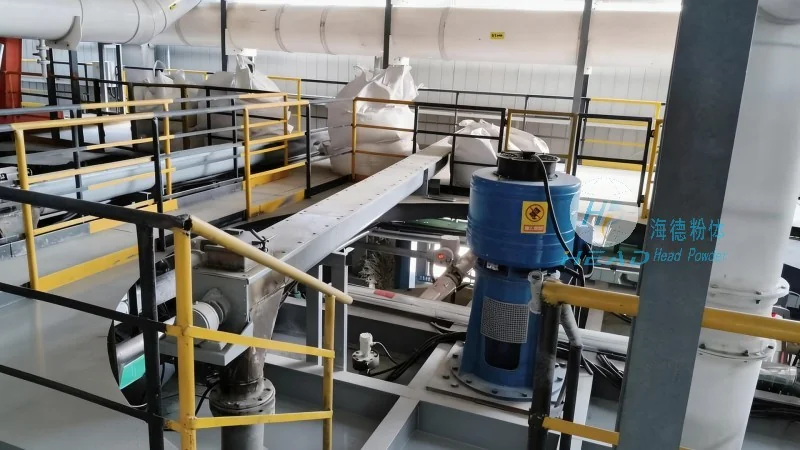
The collection or discharge unit is the final component of the cement gray pneumatic conveying system, responsible for receiving the material at its destination. This unit is typically a hopper or a silo that collects the cement gray from the conveying line. It is designed to handle the incoming material flow and prevent dust emissions, often equipped with dust collection systems or seals to maintain environmental compliance. The discharge unit may also include a valve or a gate to control the release of the material, ensuring that it is delivered to the next stage of the process, such as a storage or processing facility. The structure of this unit is critical for maintaining the integrity of the material and preventing contamination or loss during the final stage of the conveying process.
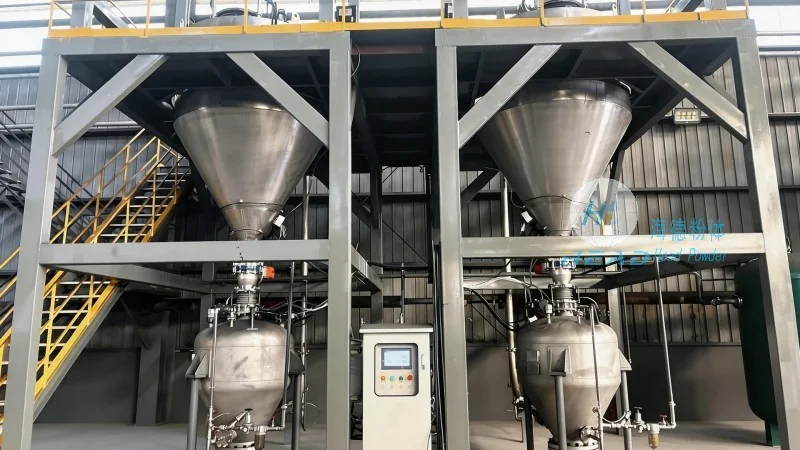
In addition to the primary components, modern cement gray pneumatic conveying systems often include control and monitoring systems to ensure optimal operation. These systems may include sensors to monitor pressure, flow rate, and material level, as well as control panels to adjust the feeder speed or air supply. The control systems help operators maintain the system's performance and detect any issues early, such as blockages or pressure drops, allowing for timely maintenance and adjustments. This structure enhances the reliability and efficiency of the system, reducing downtime and ensuring consistent material transport. The integration of these control systems is a key aspect of modern pneumatic conveying technology, enabling more precise and automated operation.
Shandong HeadPowder Engineering Co., Ltd., commonly known as HeadPowder, is a leading provider of industrial solutions for material handling and processing. With headquarters in Shandong, China, the company specializes in designing and manufacturing high-quality pneumatic conveying systems tailored to the needs of various industries, including cement, chemical, and food processing. HeadPowder's expertise lies in understanding the unique challenges of handling materials like cement gray and developing customized solutions that meet the specific requirements of each client. The company's commitment to quality, innovation, and customer satisfaction has established it as a trusted partner in the industry, providing reliable and efficient solutions for material transport and processing.

 Shandong Headpowder Engineering Co., Ltd.
 156-6277-7102(Manager Zhang)
  0531-83386006
  Zhangqiu District, Jinan City, Shandong Province, China
telephone
WeChatconsult
top