With more than 10‑year industry experience, Shandong Headpowder delivers full‑service pneumatic‑conveying systems and blowers, undertaking nationwide turn‑key powder‑handling projects.
In the field of material handling, especially for delicate and fine materials like rice starch, selecting the appropriate conveying method is crucial for maintaining product quality and operational efficiency. Two primary methods are widely used: positive pressure conveying and negative pressure conveying. Understanding the differences between these two systems is essential for making an informed decision. This article, presented by Shandong HeadPowder Engineering Co., Ltd., a leading manufacturer of material handling equipment based in China, aims to provide a clear comparison of positive and negative pressure conveying systems, focusing on their applications, advantages, and how to choose the right one for rice starch handling.
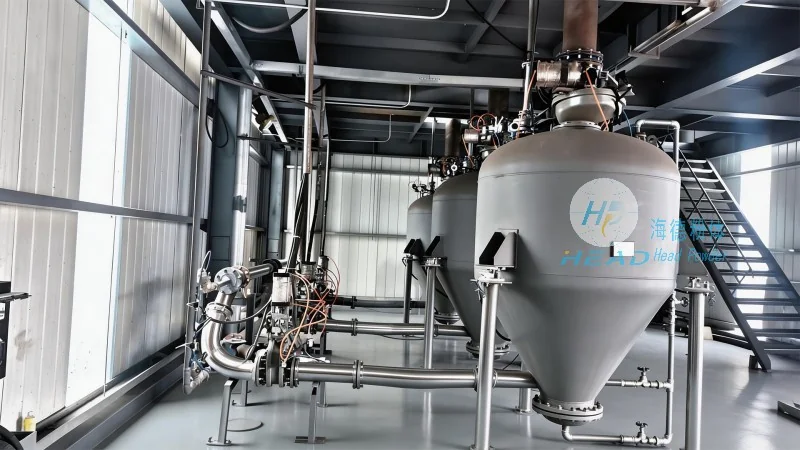
Positive pressure conveying, also known as pressure conveying, operates by forcing air or gas through the material to transport it. The system uses a positive pressure source, such as a blower or fan, to create a pressure differential that moves the material from the source to the destination. For rice starch, this method is particularly effective when dealing with large volumes and long-distance transport. The positive pressure ensures that the material is continuously pushed forward, reducing the risk of blockages and ensuring a steady flow. The equipment used in positive pressure systems typically includes a hopper, a rotary valve, a conveyor pipe, and a dust collector. The blower provides the necessary pressure to move the material through the system, and the rotary valve controls the flow rate. This method is often preferred for applications where the material needs to be conveyed over significant distances or through complex piping networks.
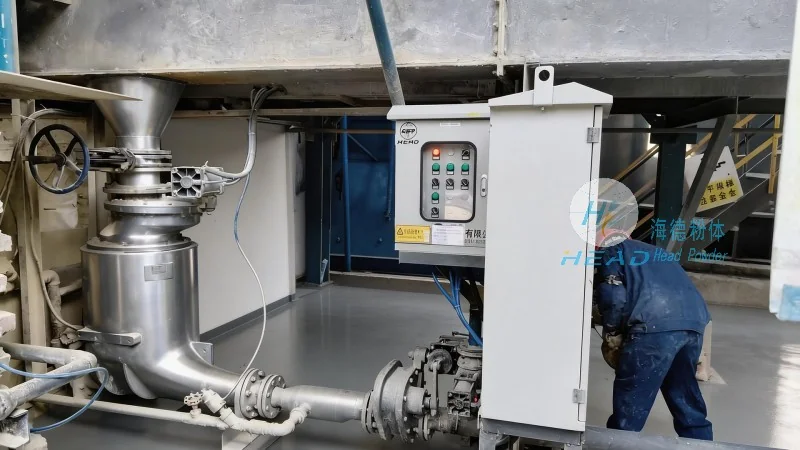
Positive pressure conveying offers several advantages for rice starch handling. Firstly, it provides consistent and reliable material flow, which is critical for maintaining production efficiency. The positive pressure ensures that the material is not left to settle or accumulate in the system, reducing the risk of clogging and downtime. Secondly, this method is effective for handling fine and powdery materials like rice starch, which are prone to dust and segregation. The pressure helps to keep the material suspended and prevents it from settling in the pipes, maintaining a uniform flow. Thirdly, positive pressure systems are relatively easy to install and maintain. The components are straightforward, and the system can be easily scaled up or down to meet changing production needs. Additionally, these systems are suitable for conveying materials in both dry and wet conditions, making them versatile for various applications.
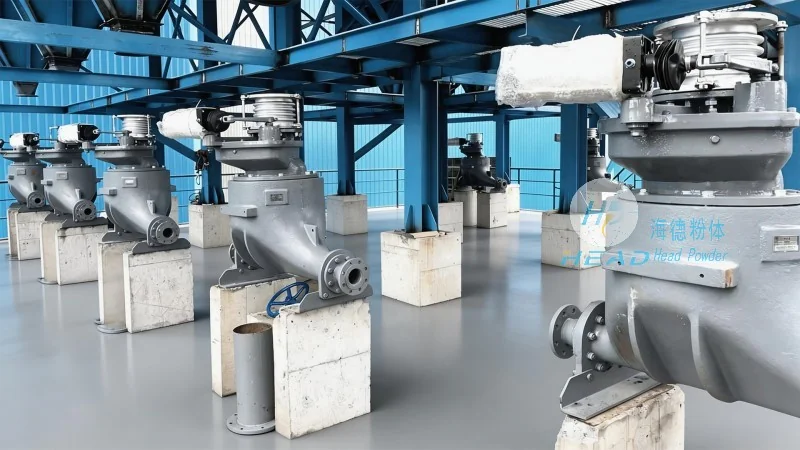
Negative pressure conveying, also known as suction conveying, operates by creating a vacuum in the system to draw the material from the source to the destination. The system uses a vacuum pump or fan to create a negative pressure, which pulls the material through the conveyor pipe. This method is particularly useful for applications where the material needs to be conveyed from a single source to multiple destinations or where the material is light and prone to dispersion. For rice starch, negative pressure conveying is often used in situations where the material is to be collected from a hopper or a storage bin and transported to a processing unit. The vacuum helps to draw the material into the system, ensuring that it is captured efficiently and without loss.
Negative pressure conveying also offers several benefits for rice starch handling. Firstly, it is effective for handling materials that are light and prone to dust, as the vacuum helps to keep the material contained within the system. This reduces the risk of dust emissions and improves workplace safety. Secondly, this method is suitable for conveying materials over short to medium distances, making it ideal for applications where the source and destination are close together. The vacuum system can be easily adjusted to control the flow rate, ensuring that the material is conveyed at the desired speed. Thirdly, negative pressure systems are relatively quiet and low-maintenance compared to positive pressure systems. The components are less complex, and the system does not require high-pressure blower systems, reducing energy consumption and operational costs. Additionally, these systems are suitable for handling materials that are sensitive to pressure, as the vacuum does not exert high forces on the material.
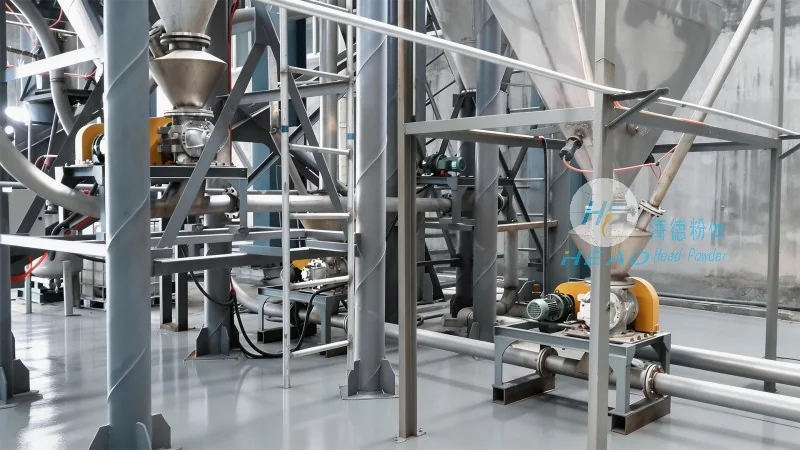
When choosing between positive and negative pressure conveying for rice starch, several factors need to be considered. The first factor is the distance and layout of the conveying system. Positive pressure conveying is better suited for long-distance transport, as it can maintain a consistent pressure over longer distances. Negative pressure conveying is more suitable for short to medium distances, as the vacuum may not be effective over longer distances due to pressure loss. The second factor is the material characteristics. For rice starch, which is a fine and powdery material, positive pressure conveying is often preferred because it can handle the material more effectively without causing segregation or clogging. However, if the material is light and prone to dust, negative pressure conveying may be more suitable as it helps to keep the material contained. The third factor is the operational requirements. Positive pressure systems are more suitable for high-volume production, as they can handle large quantities of material efficiently. Negative pressure systems are better for applications where the material needs to be collected from multiple sources or where the flow rate is lower. The fourth factor is the cost and maintenance. Positive pressure systems are generally more expensive to install and maintain due to the need for high-pressure blower systems. Negative pressure systems are less expensive and require less maintenance, making them a cost-effective option for smaller applications.

 Shandong Headpowder Engineering Co., Ltd.
 156-6277-7102(Manager Zhang)
  0531-83386006
  Zhangqiu District, Jinan City, Shandong Province, China
telephone
WeChatconsult
top