With more than 10‑year industry experience, Shandong Headpowder delivers full‑service pneumatic‑conveying systems and blowers, undertaking nationwide turn‑key powder‑handling projects.
HeadPowder, a leading engineering company based in Shandong, China, specializes in the design and implementation of efficient pneumatic conveying systems for paddy grain handling. This article provides a comprehensive classification and application analysis of such systems, highlighting their operational principles, types, and practical implementations.
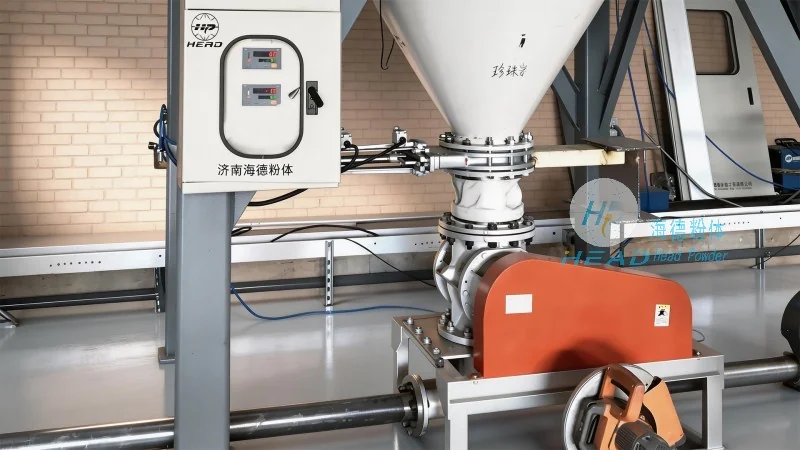
Paddy grain pneumatic conveying systems rely on the principles of air flow to transport grains through a pipeline network. The core components typically include a hopper for material storage, a rotary valve or feeder to control the flow rate, a conveying line, and a receiver or silo for product collection. The system operates by introducing air into the conveying line, creating a pressure differential that propels the paddy grains forward. This method offers advantages such as reduced labor costs, minimized product contamination, and enhanced safety compared to traditional mechanical conveyors.
Based on the conveying mechanism and air flow characteristics, paddy grain pneumatic conveying systems can be broadly classified into two main categories: positive pressure systems and negative pressure systems.
Positive pressure systems, also known as pressure or dilute phase systems, utilize a positive pressure air stream to transport the material. In this setup, air is blown into the conveying line, pushing the paddy grains through the pipeline. This method is suitable for short to medium distances and can handle a wide range of grain types, including paddy. The system is characterized by high conveying speeds and relatively low air consumption.
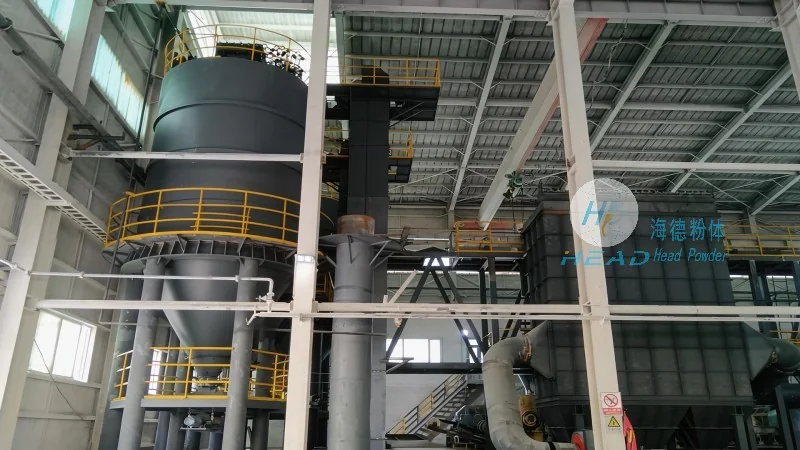
Negative pressure systems, or suction systems, operate by creating a vacuum in the conveying line, drawing the paddy grains into the pipeline. This approach is ideal for applications requiring material collection from multiple points or for handling dusty or fine particles. The negative pressure system is generally more complex and may require additional filtration to prevent dust accumulation in the equipment.
The application of paddy grain pneumatic conveying systems spans various stages of the grain handling process, from field storage to processing and packaging. In agricultural settings, these systems are commonly used for transferring harvested paddy from field bins to storage silos, ensuring efficient movement and reducing the risk of spoilage due to prolonged exposure to the elements.
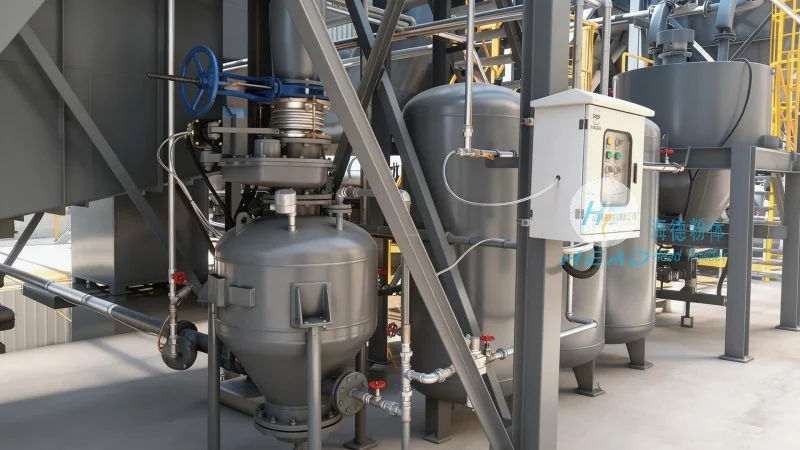
In processing facilities, the systems play a critical role in transporting paddy to milling machines, where it is converted into rice. The pneumatic conveyors can handle the high volume of material required by modern rice mills, maintaining consistent flow rates and minimizing downtime. Additionally, the systems are employed in packaging operations, where the conveyed paddy is transferred to packaging lines for bulk or retail packaging.
When selecting a paddy grain pneumatic conveying system, several factors must be considered to ensure optimal performance and cost-effectiveness. The primary advantages include energy efficiency, as the systems can operate with lower air pressure compared to other conveying methods, and the ability to handle a wide range of grain sizes and moisture content. However, the selection process must also account for the specific characteristics of the paddy, such as its density and dust generation potential, as well as the distance and elevation changes in the conveying route.
HeadPowder, with its expertise in engineering and material handling, offers customized solutions tailored to the unique requirements of each client. The company’s team of engineers conducts thorough assessments of the client's operational needs, including the volume of paddy to be conveyed, the distance of the transport route, and the existing infrastructure, to design a system that maximizes efficiency and minimizes operational costs.

 Shandong Headpowder Engineering Co., Ltd.
 156-6277-7102(Manager Zhang)
  0531-83386006
  Zhangqiu District, Jinan City, Shandong Province, China
telephone
WeChatconsult
top