With more than 10‑year industry experience, Shandong Headpowder delivers full‑service pneumatic‑conveying systems and blowers, undertaking nationwide turn‑key powder‑handling projects.
HeadPowder, a leading enterprise in the field of powder processing technology, specializes in the design, manufacturing, and installation of advanced pneumatic conveying systems. The secondary zinc oxide pneumatic conveying system is a critical component in industrial applications where efficient and safe material handling is essential. This system is engineered to handle secondary zinc oxide, a material often used in various industrial processes, ensuring optimal performance and reliability.
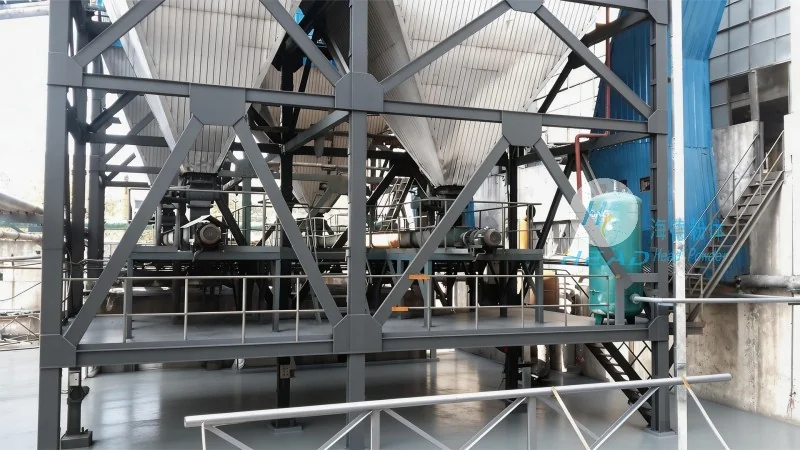
The secondary zinc oxide pneumatic conveying system comprises several key components that work in tandem to achieve effective material transport. These include a hopper for material storage, a rotary valve or feeder to control the flow rate, a conveying pipeline, a dust collector or filter to maintain air quality, and a discharge device at the receiving end. Each component is meticulously designed to handle the specific characteristics of secondary zinc oxide, such as its particle size, density, and flowability.
The operation of the secondary zinc oxide pneumatic conveying system is based on the principle of pneumatic transport, where material is moved through a pipeline using a stream of air. The process typically begins with the material being fed from the hopper into the conveying line via a controlled feeder. The feeder ensures a consistent flow rate, preventing overloading or underfeeding that could affect system performance. As the material enters the pipeline, a high-velocity air stream is introduced, which lifts and propels the particles through the system. The air velocity is carefully controlled to maintain the material in a suspended state, minimizing particle degradation and ensuring smooth transport.
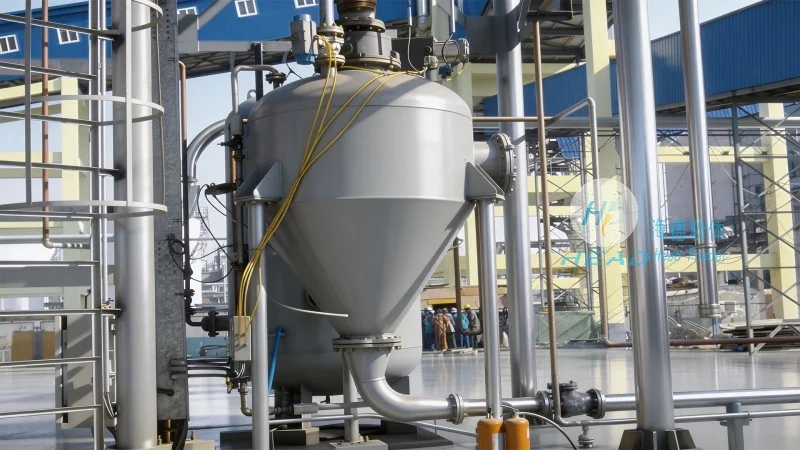
The operational process of the secondary zinc oxide pneumatic conveying system can be broken down into several sequential steps. First, the material is stored in the hopper, which is equipped with a level indicator to monitor the inventory. When the material level drops to a predetermined point, the feeder activates and begins to discharge the material into the conveying line. The feeder's speed is adjusted based on the required throughput, ensuring that the system operates at optimal efficiency. Next, the material is transported through the pipeline by the air stream. The pipeline is designed with appropriate bends and fittings to minimize pressure losses and maintain consistent air velocity. At the receiving end, the material is discharged into a storage bin or processing equipment. The air stream is then filtered and cleaned by the dust collector before being released back into the environment, ensuring compliance with environmental regulations.
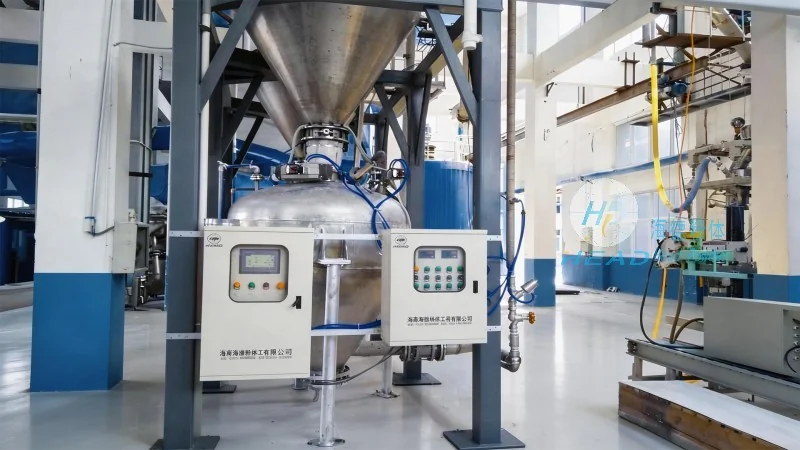
The secondary zinc oxide pneumatic conveying system offers several advantages over traditional mechanical conveying methods. Firstly, it provides a dust-free and enclosed transport environment, which enhances safety and reduces the risk of material contamination. Secondly, the system is highly efficient in terms of energy consumption, as the air stream can transport large volumes of material over long distances with minimal power input. Additionally, the system is flexible and can be easily integrated with existing industrial processes, allowing for seamless material handling. The use of advanced materials and components ensures durability and long service life, reducing maintenance costs and downtime.
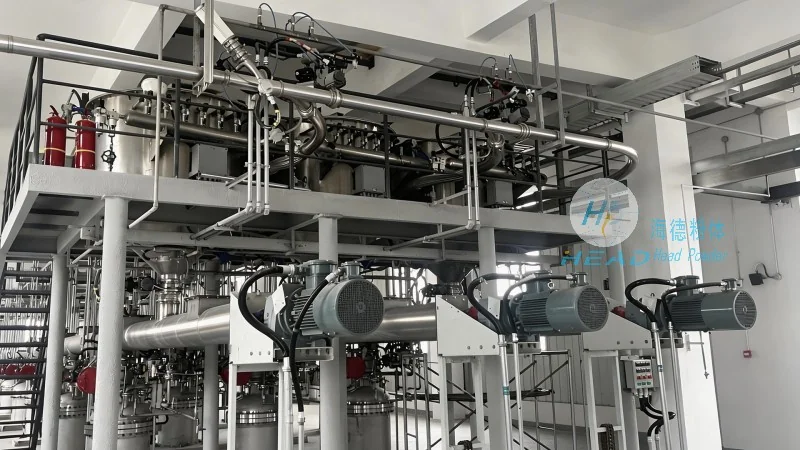
The secondary zinc oxide pneumatic conveying system is widely used in various industries that require the handling of fine powders, including chemical, pharmaceutical, food, and mining sectors. In the chemical industry, it is commonly used for transporting zinc oxide in the production of rubber, plastics, and coatings. In the pharmaceutical industry, the system ensures the safe and hygienic handling of pharmaceutical powders, maintaining product quality and compliance with regulatory standards. The system's ability to handle fine particles without degradation makes it ideal for applications where material quality is critical.
HeadPowder Engineering Co., Ltd., based in Shandong, China, is a reputable manufacturer specializing in the development and implementation of advanced pneumatic conveying systems. With a strong commitment to quality and innovation, the company provides customized solutions tailored to the specific needs of its clients. The secondary zinc oxide pneumatic conveying system exemplifies the company's expertise in powder processing technology, offering reliable and efficient material handling solutions. By leveraging advanced engineering and rigorous testing, HeadPowder ensures that its systems meet the highest standards of performance and safety, contributing to the smooth operation of industrial processes worldwide.

 Shandong Headpowder Engineering Co., Ltd.
 156-6277-7102(Manager Zhang)
  0531-83386006
  Zhangqiu District, Jinan City, Shandong Province, China
telephone
WeChatconsult
top