With more than 10‑year industry experience, Shandong Headpowder delivers full‑service pneumatic‑conveying systems and blowers, undertaking nationwide turn‑key powder‑handling projects.
Shandong HeadPowder Engineering Co., Ltd., a leading enterprise based in Shandong, China, specializes in the design, manufacturing, and supply of advanced material handling solutions. Among their product portfolio is the masterbatch pneumatic conveying system, a sophisticated technology that efficiently transports masterbatch materials in industrial applications. This article delves into the operational process and underlying principles of such systems, highlighting their efficiency, reliability, and the engineering expertise behind them.
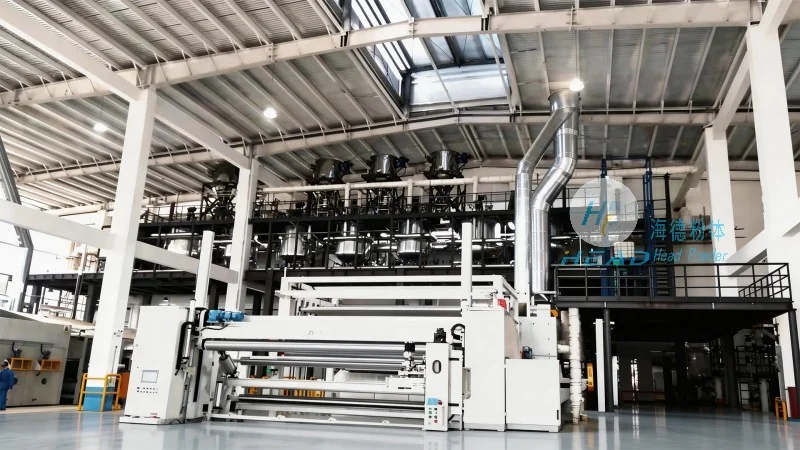
The masterbatch pneumatic conveying system is a critical component in many manufacturing processes, particularly in the plastics and polymer industries. It enables the safe and efficient transport of masterbatch, which are concentrated pigments or additives used to color or modify plastic materials. The system operates by utilizing air pressure to move material through a network of pipes, eliminating the need for mechanical components like belts or buckets that might cause contamination or wear.
At the core of the system are several key components that work in tandem to ensure smooth operation. The main components include the hopper (or feeder), the air compressor, the conveying line, the receiver, and control valves. The hopper serves as the storage and feeding unit, where masterbatch is loaded and prepared for transport. The air compressor generates the necessary air pressure to create a flow of material through the system. The conveying line consists of pipes that connect the hopper to the receiver, with appropriate fittings and valves to regulate the flow. The receiver is the destination where the masterbatch is deposited, and control valves are used to manage the air pressure and material flow, ensuring precise control over the conveying process.
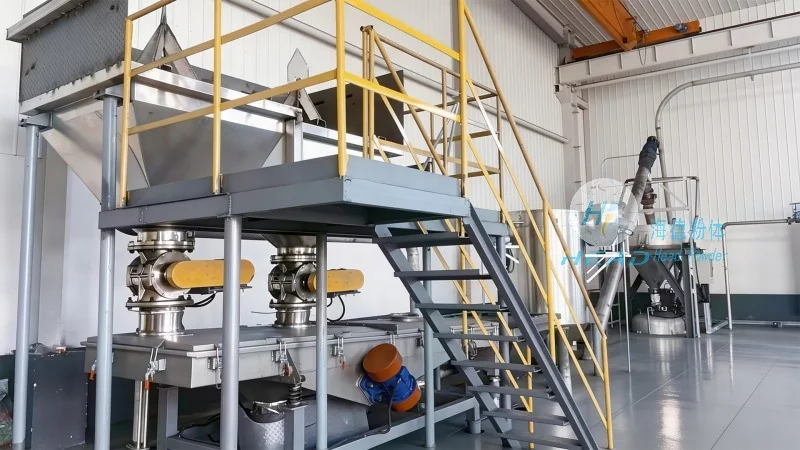
The operation of the masterbatch pneumatic conveying system is based on the principle of pneumatic transport, where material is suspended in a stream of air and carried through the system. The process typically begins with the masterbatch being fed from the hopper into the conveying line. As the air compressor supplies high-pressure air, it creates a flow that pulls the material particles into the air stream. The material is then carried through the pipes to the receiver, where the air is filtered and the material is deposited. The system uses a combination of positive and negative pressure (or a mix of both) to achieve efficient transport, depending on the specific application and material characteristics.

The operational process of the masterbatch pneumatic conveying system involves several sequential steps that ensure consistent and reliable performance. First, the masterbatch is loaded into the hopper, and the system is prepared for operation. The air compressor is activated, and the control valves are adjusted to set the appropriate air pressure and flow rate. The masterbatch is then released from the hopper into the conveying line, where it is entrained by the air stream and transported to the receiver. The system continuously monitors the flow rate and pressure, adjusting as needed to maintain optimal performance. Once the material is fully transferred, the system is shut down, and the receiver is emptied as required. This process is designed to minimize downtime and maximize throughput, making it suitable for high-volume production environments.
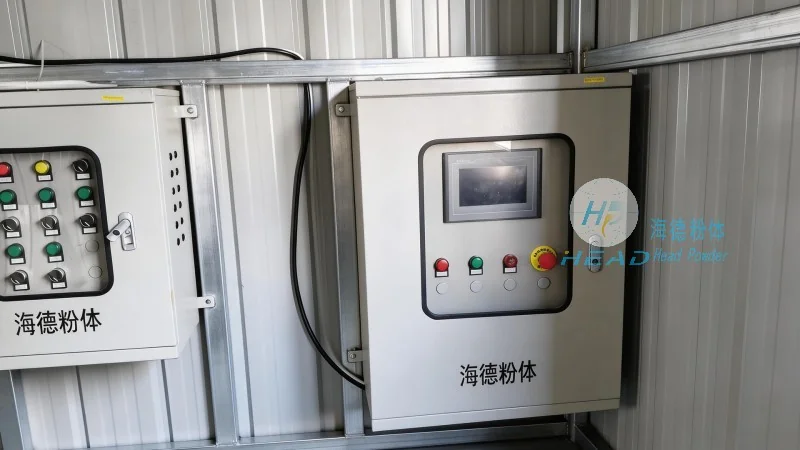
The masterbatch pneumatic conveying system offers several advantages over traditional mechanical conveying methods. It provides a clean and hygienic transport solution, as it avoids direct contact between the material and mechanical parts, reducing the risk of contamination. It also offers high efficiency and reliability, with minimal maintenance requirements. The system is particularly suitable for transporting fine powders and masterbatch, which are often sensitive to moisture and contamination. Applications include the plastics industry, where masterbatch is used to color or modify polymer resins, as well as in the chemical and food processing industries, where material handling needs to be precise and contamination-free.
Shandong HeadPowder Engineering Co., Ltd. has demonstrated expertise in designing and manufacturing masterbatch pneumatic conveying systems that meet the demands of modern industrial applications. By understanding the operational process and working principles of these systems, manufacturers can leverage this technology to enhance efficiency, reduce costs, and improve product quality. The system's reliability and adaptability make it a valuable asset in any production line, ensuring consistent and safe material handling from the hopper to the receiver.

 Shandong Headpowder Engineering Co., Ltd.
 156-6277-7102(Manager Zhang)
  0531-83386006
  Zhangqiu District, Jinan City, Shandong Province, China
telephone
WeChatconsult
top