With more than 10‑year industry experience, Shandong Headpowder delivers full‑service pneumatic‑conveying systems and blowers, undertaking nationwide turn‑key powder‑handling projects.
HeadPowder, a leading manufacturer in the field of material handling equipment, specializes in the design, development, and supply of advanced pneumatic conveying systems tailored for the sweet potato processing industry. This article provides a comprehensive overview of the classification of sweet potato pneumatic conveying systems and their practical applications, highlighting the technical advantages and operational efficiency they offer to agricultural and food processing enterprises.
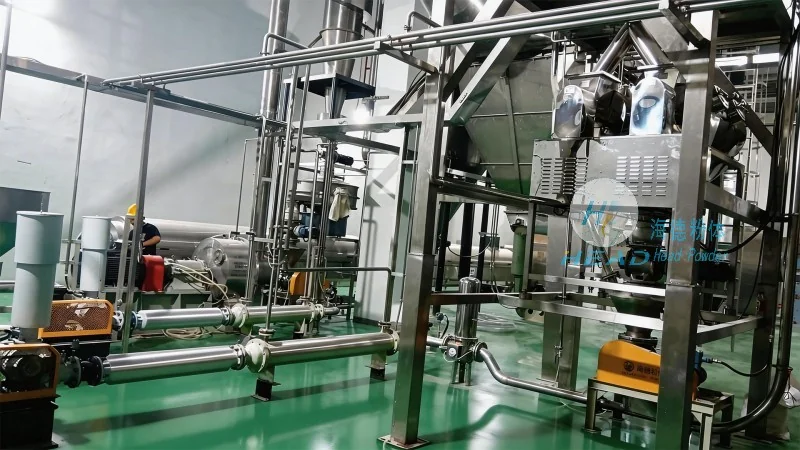
Sweet potato pneumatic conveying systems are essential equipment used in the processing and handling of sweet potato raw materials. These systems utilize air pressure to transport sweet potatoes from one location to another, eliminating the need for mechanical conveyors and reducing the risk of contamination and damage to the product. The primary goal of such systems is to ensure efficient, hygienic, and cost-effective material transport within sweet potato processing facilities, from harvesting and cleaning to processing and packaging.
Sweet potato pneumatic conveying systems can be broadly classified into several types based on their operating principles and design features. The main categories include:
Dilute phase systems are the most common type used in sweet potato processing. They operate by injecting air into the conveying line at a relatively low pressure, typically between 0.5 to 1.5 bar. The sweet potatoes are suspended in the air stream and transported through the pipeline. This method is suitable for short to medium distance transport and is ideal for handling relatively dry and free-flowing sweet potatoes. The system is characterized by low energy consumption and minimal wear on the equipment, making it a cost-effective solution for many processing plants.
Dense phase systems, also known as low-pressure or pressure-pulse systems, operate at higher pressure levels, usually between 2 to 6 bar. In this system, the sweet potatoes are conveyed in a dense mixture with air, often with a higher solid-to-air ratio compared to dilute phase systems. This method is particularly effective for transporting sweet potatoes over longer distances or when the product is more fragile and requires gentler handling. The dense phase system reduces product degradation and minimizes the risk of blockages, making it suitable for high-value sweet potato products.
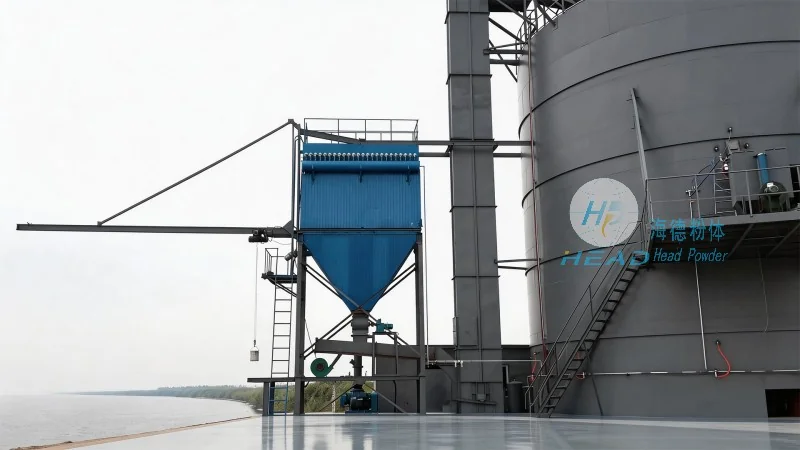
Vacuum systems use negative pressure to draw sweet potatoes into the conveying line. This type of system is commonly used for material collection from multiple points or for transporting sweet potatoes from a lower elevation to a higher one. The vacuum system is ideal for applications where the sweet potatoes need to be moved from a storage area or a processing line into a processing unit, as it can handle a wide range of product sizes and moisture content without causing excessive damage.
Hybrid systems combine elements of both dilute and dense phase operations, offering flexibility in handling different types of sweet potatoes and operational conditions. These systems can switch between low and high pressure modes depending on the material being conveyed, allowing for efficient transport of both dry and wet sweet potatoes. The hybrid approach ensures optimal performance and energy efficiency, making it a versatile solution for modern sweet potato processing facilities.
The application of sweet potato pneumatic conveying systems varies based on the specific processing stage and the characteristics of the sweet potato material. Here are some key applications where these systems are widely used:
At the initial stage of sweet potato processing, pneumatic conveying systems are used to transport harvested sweet potatoes from storage bins or fields to cleaning and sorting equipment. The systems ensure that the raw material is moved hygienically and without damage, which is crucial for maintaining product quality. The dilute phase system is often preferred for this stage due to its ability to handle large volumes of sweet potatoes efficiently and with minimal energy consumption.
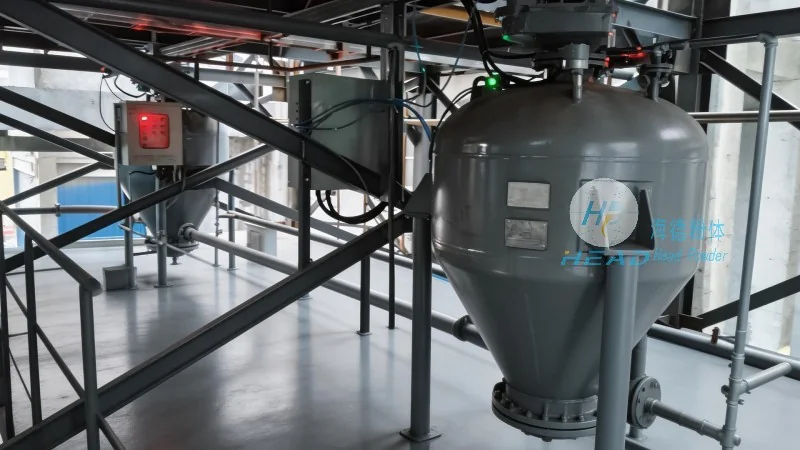
During the processing stage, such as peeling, cutting, or grinding, pneumatic conveying systems are used to transport the processed sweet potato pieces to the next stage of production. The dense phase system is particularly suitable here as it can handle the smaller, more delicate pieces without causing excessive breakage. This ensures that the final product retains its texture and nutritional value, which is essential for high-quality sweet potato products like chips, puree, or flour.
In the final stage of processing, pneumatic conveying systems are used to transport the finished sweet potato products from the processing line to the packaging area. The vacuum system is often used for this purpose as it can handle the final product efficiently and maintain the product's integrity. The systems ensure that the products are delivered to the packaging line without any contamination or damage, ensuring consistent quality and meeting the stringent hygiene standards required in the food industry.
Sweet potato pneumatic conveying systems offer several technical advantages that make them an attractive choice for modern processing facilities. These advantages include:
The enclosed pipeline design of pneumatic conveying systems prevents contamination from external sources, ensuring that the sweet potatoes remain clean and safe for consumption. This is particularly important in the food processing industry, where hygiene is a top priority. The systems are easy to clean and maintain, reducing the risk of bacterial growth and ensuring compliance with food safety regulations.
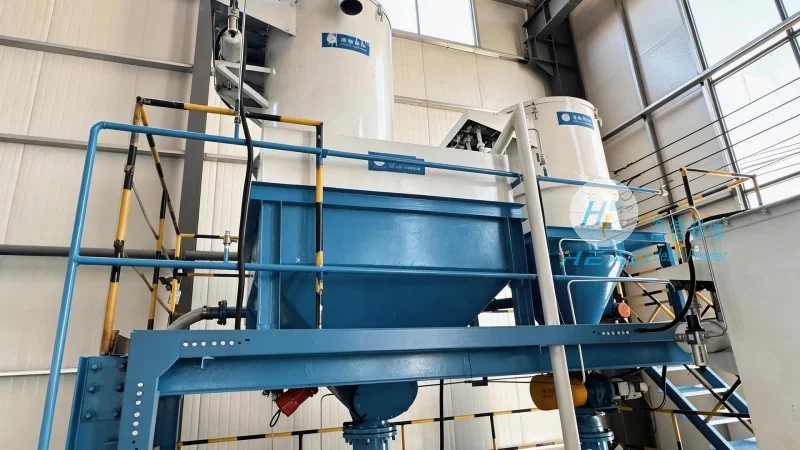
Compared to mechanical conveyors, pneumatic systems minimize the risk of product damage. The gentle handling of sweet potatoes in the air stream reduces breakage and bruising, which can affect the quality and market value of the final product. This is especially beneficial for high-value sweet potato products that require careful handling to maintain their texture and appearance.
Pneumatic conveying systems are generally more energy-efficient than mechanical conveyors, especially for long-distance transport. The use of air as the conveying medium reduces the need for moving parts and mechanical components, leading to lower maintenance costs and longer equipment lifespan. Additionally, the systems can be optimized to operate at the lowest possible pressure levels, further reducing energy consumption and operational costs.
Sweet potato pneumatic conveying systems are highly flexible and can be easily integrated into existing processing lines or expanded to accommodate increased production volumes. The modular design of these systems allows for easy customization to meet the specific needs of different processing stages and product types. This flexibility makes them a suitable choice for both small-scale and large-scale sweet potato processing operations.
Sweet potato pneumatic conveying systems are a critical component in modern sweet potato processing, offering efficient, hygienic, and cost-effective material handling solutions. The classification of these systems, including dilute phase, dense phase, vacuum, and hybrid types, allows processing facilities to select the most appropriate system based on their specific operational requirements and product characteristics. The applications of these systems span from raw material handling to processing and packaging, ensuring that sweet potatoes are handled with care and efficiency throughout the entire production process. As a leading manufacturer, Shandong HeadPowder Engineering Co., Ltd. provides high-quality pneumatic conveying systems tailored to the needs of the sweet potato industry, helping processing enterprises enhance their operational efficiency and product quality.

 Shandong Headpowder Engineering Co., Ltd.
 156-6277-7102(Manager Zhang)
  0531-83386006
  Zhangqiu District, Jinan City, Shandong Province, China
telephone
WeChatconsult
top