

Operation Process and Working Principle of the Precipitated Barium Sulfate Pneumatic Conveying Syste
HeadPowder, a leading provider in the field of material handling solutions, specializes in the design, manufacturing, and installation of advanced pneumatic conveying systems. This article focuses on the operation process and working principle of the precipitated barium sulfate pneumatic conveying system, a critical equipment used in the mineral processing and chemical industries. The system is engineered to efficiently transport fine powders like precipitated barium sulfate, ensuring high reliability and minimal product loss during the conveying process.
Company Profile and Background
HeadPowder, operating under the full name Shandong HeadPowder Engineering Co., Ltd., is headquartered in Shandong, China. With years of experience in the industry, the company has developed a strong reputation for delivering high-quality pneumatic conveying systems tailored to meet the specific needs of various industrial applications. The company’s commitment to innovation and customer satisfaction has enabled it to serve clients across multiple sectors, including mining, chemicals, and food processing.
Overview of the Precipitated Barium Sulfate Pneumatic Conveying System
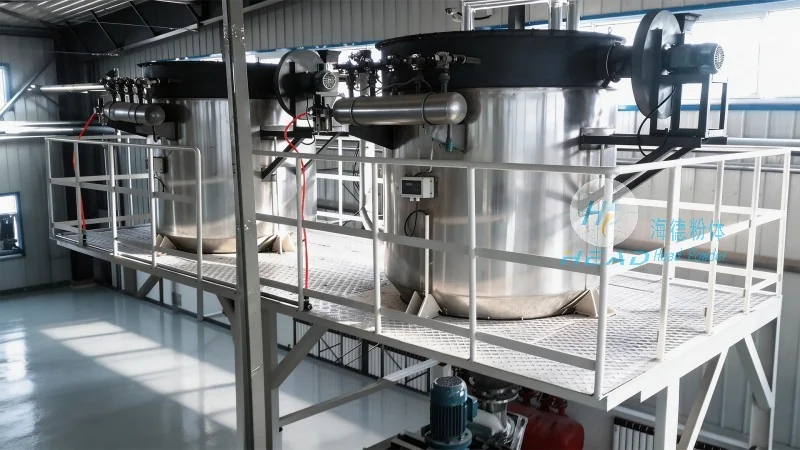
The precipitated barium sulfate pneumatic conveying system is a sophisticated piece of equipment designed to transport fine powders over long distances with minimal degradation. This system typically consists of several key components, including a hopper for material storage, a feeder to control the flow rate, a conveying pipeline, and a receiver for the discharged material. The system operates by using compressed air or gas to create a flow of air that carries the powder particles through the pipeline, ensuring efficient and continuous material transport.
Working Principle of the System
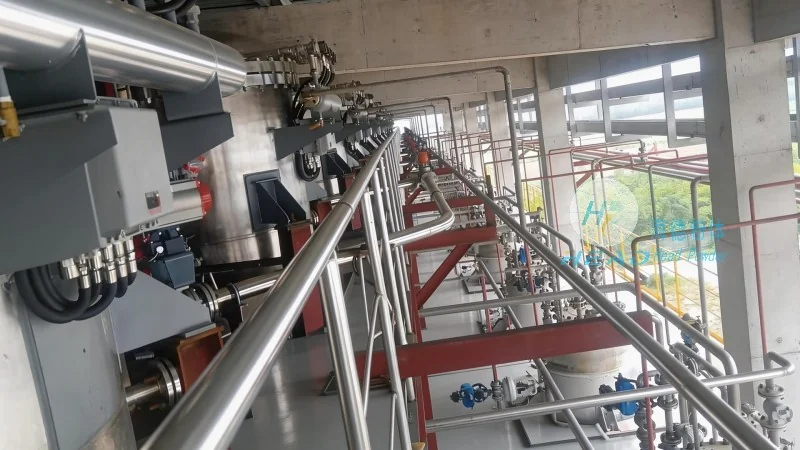
The core working principle of the precipitated barium sulfate pneumatic conveying system relies on the principle of pneumatic transport, where the material is suspended and transported by the moving air stream. The system operates in either positive or negative pressure modes, depending on the specific application requirements. In positive pressure systems, compressed air is introduced into the conveying line, creating a pressure higher than the ambient air, which forces the powder to move through the pipeline. In negative pressure systems, the air is drawn out of the line, creating a vacuum that pulls the powder into the system. For precipitated barium sulfate, which is a fine and abrasive powder, the system is designed to minimize particle attrition and maintain product quality throughout the conveying process.
Operation Process Step-by-Step
The operation of the precipitated barium sulfate pneumatic conveying system involves several sequential steps to ensure smooth and efficient material transport. First, the material is fed into the hopper from the storage silo. The feeder then regulates the flow rate, ensuring a consistent supply of powder to the conveying line. Next, the compressed air is introduced into the system, creating the necessary air flow to carry the powder. The powder particles are then suspended in the air stream and transported through the pipeline to the receiver. Finally, the material is discharged from the receiver into the next processing stage or storage container. Each step is carefully controlled to maintain the integrity of the precipitated barium sulfate and prevent any blockages or system failures.
Key Components and Their Functions
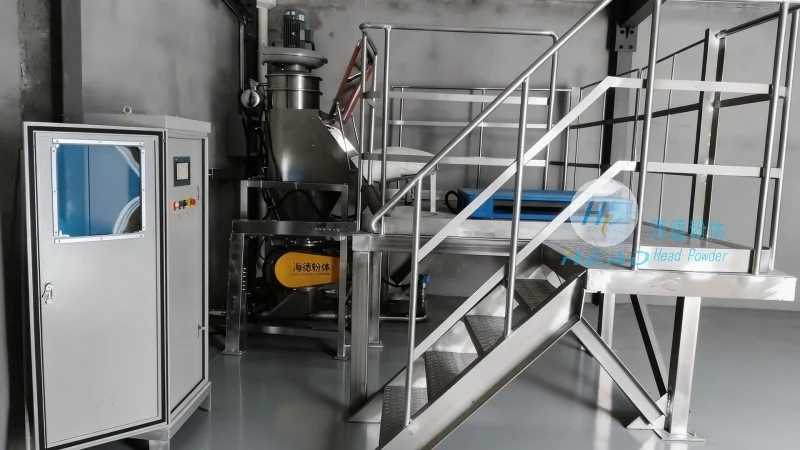
The effectiveness of the precipitated barium sulfate pneumatic conveying system depends on the proper functioning of its key components. The hopper serves as the storage vessel, providing a large capacity to hold the material and preventing it from being exposed to the environment. The feeder, often a rotary valve or a screw feeder, controls the flow rate of the material, ensuring a steady and controlled feed into the conveying line. The conveying pipeline is made of materials resistant to corrosion and abrasion, such as stainless steel or special plastic, to withstand the fine and abrasive nature of precipitated barium sulfate. The receiver is designed to collect the conveyed material and prevent any air leakage or product loss. Additionally, the system may include filters and cyclones to separate any fine particles from the air stream, ensuring clean and efficient operation.
Advantages and Applications
The precipitated barium sulfate pneumatic conveying system offers several advantages over traditional material handling methods, such as belt conveyors or bucket elevators. These advantages include high efficiency in transporting fine powders over long distances, minimal product loss and degradation, and the ability to handle abrasive materials without causing excessive wear and tear on the system components. The system is widely used in the production of precipitated barium sulfate, which is commonly used as a filler in paper, paint, and rubber industries. It is also used in other applications where fine powders need to be transported safely and efficiently, such as in pharmaceutical and food processing industries.
Maintenance and Operational Considerations
To ensure the long-term reliability and efficiency of the precipitated barium sulfate pneumatic conveying system, regular maintenance is essential. This includes cleaning the hopper and feeder to prevent material buildup, inspecting the conveying pipeline for any signs of wear or damage, and checking the air compressor and filters for proper operation. The system should also be operated within the recommended pressure and flow rate ranges to avoid any system failures or product degradation. Proper training of operators is also crucial to ensure the safe and efficient operation of the system. By following these maintenance and operational guidelines, the system can provide consistent performance and minimize downtime, ensuring smooth production processes.