Classification and Application Analysis of Cement Pneumatic Conveying Systems
Release time:2026-09-14 10:48:47
name of the company:Shandong Headpowder Engineering Co., Ltd.
telephone:156-6277-7102
contacts:Manager Zhang
HeadPowder, a leading enterprise in the field of cement pneumatic conveying technology, specializes in the design, manufacturing, and installation of advanced pneumatic conveying systems tailored for the cement industry. With a focus on efficiency, reliability, and innovation, the company's solutions address the unique challenges of transporting cement and related materials in various industrial settings.
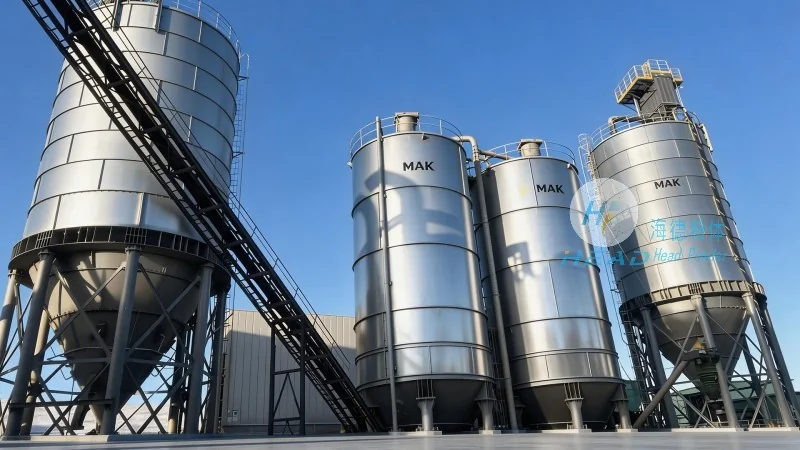
Overview of Cement Pneumatic Conveying Systems
Cement pneumatic conveying systems utilize air or gas to transport bulk materials like cement, powders, and granules from one location to another. These systems are widely adopted in the cement industry due to their ability to handle high volumes, reduce labor costs, and minimize material degradation compared to traditional methods such as belt conveyors or trucks. The technology offers flexibility in system design, allowing for both positive and negative pressure operations, depending on the specific requirements of the application.
Classification of Cement Pneumatic Conveying Systems
Cement pneumatic conveying systems can be broadly classified into several categories based on their operational principles and design characteristics. The primary types include:
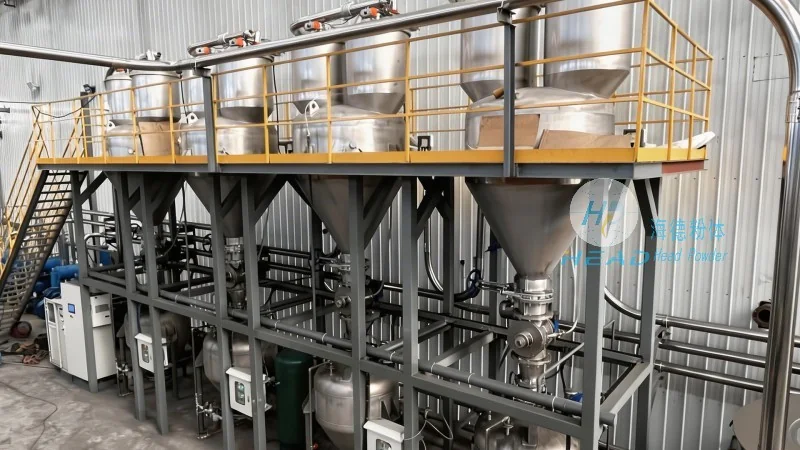
- Positive Pressure Systems: These systems use compressed air to push material through a pipeline. They are suitable for long-distance transport and can handle abrasive materials effectively. Positive pressure systems are commonly used in large-scale cement plants where material needs to be moved over considerable distances.
- Negative Pressure (Vacuum) Systems: In these systems, a vacuum is created to draw material into the pipeline. They are ideal for short-distance transport and applications requiring gentle handling of delicate materials. Negative pressure systems are often employed in smaller facilities or for transporting materials that are sensitive to pressure changes.
- Combined Systems: Some applications may involve a combination of positive and negative pressure operations, such as in a system where material is transported from a silo to a mixing plant and then to a loading area. These hybrid systems offer flexibility and can optimize material flow based on the layout of the facility.
Key Applications in the Cement Industry
The applications of cement pneumatic conveying systems are diverse and critical to the efficient operation of cement production and distribution. Some of the key uses include:
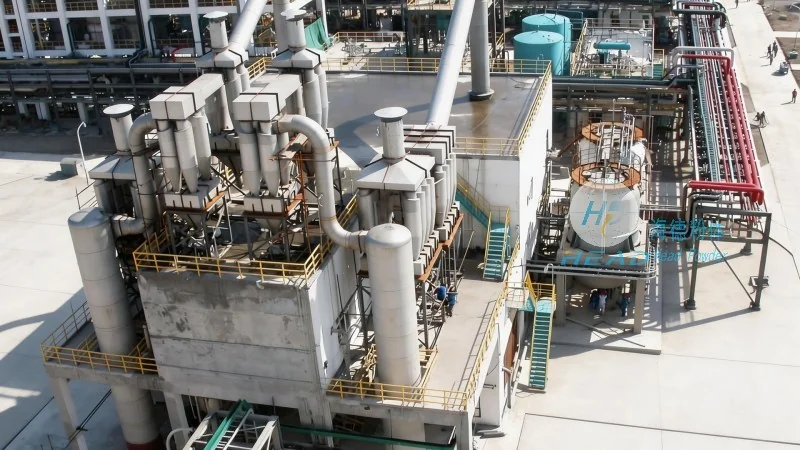
- Raw Material Transport: Transporting limestone, clay, and other raw materials from storage silos to the cement mill. This ensures a continuous supply of raw materials, reducing downtime and improving production throughput.
- Cement Production and Finishing: Moving finished cement from the grinding plant to storage silos or directly to shipping points. This process is crucial for maintaining inventory levels and ensuring timely delivery to customers.
- Plant Internal Material Handling: Conveying materials between different sections of the cement plant, such as from the raw mill to the clinker cooler or from the storage silos to the packaging line. This internal transport enhances operational efficiency and reduces the need for manual handling.
- Industrial Waste Management: Some systems are designed to handle waste materials or byproducts from the cement production process, ensuring proper disposal and compliance with environmental regulations.
Advantages of Cement Pneumatic Conveying Systems
Implementing cement pneumatic conveying systems offers several advantages over traditional material handling methods. These benefits include:
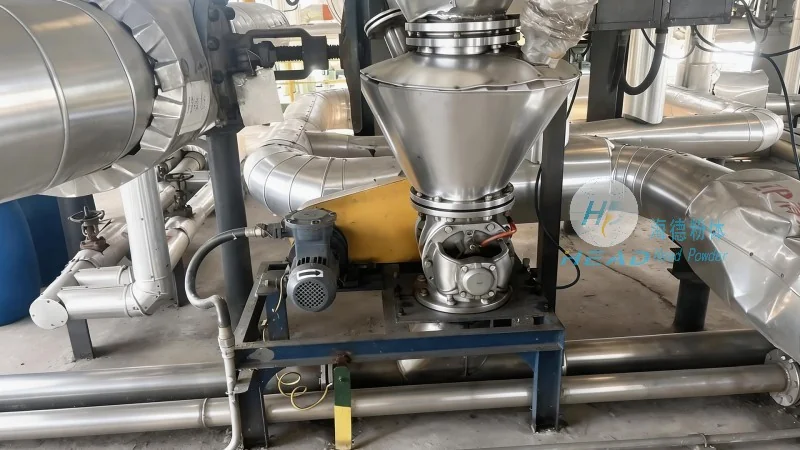
- Increased Efficiency and Throughput: Pneumatic systems can transport large volumes of material at high speeds, reducing the time required for material movement and increasing overall production capacity.
- Reduced Labor Costs: Automated material transport minimizes the need for manual labor, leading to lower operational costs and improved workplace safety.
- Improved Material Quality: The enclosed pipeline system prevents contamination and dust exposure, maintaining the quality of the cement and reducing the risk of material degradation.
- Space Efficiency: Pneumatic systems can be installed in tight spaces, making them suitable for facilities with limited floor area or complex layouts.
- Environmental Benefits: By reducing dust emissions and minimizing the need for external transport, these systems contribute to better environmental performance and compliance with regulations.
HeadPowder's Expertise and Solutions
Shandong HeadPowder Engineering Co., Ltd. leverages decades of experience in the cement industry to provide comprehensive pneumatic conveying solutions. The company's team of engineers and technicians works closely with clients to understand their specific needs, from initial system design and engineering to installation and commissioning. HeadPowder's solutions are tailored to meet the unique requirements of each project, ensuring optimal performance and reliability.
For clients in the cement industry, choosing a reliable pneumatic conveying system is essential for maintaining operational efficiency and meeting production targets. With a focus on quality, innovation, and customer satisfaction, HeadPowder stands as a trusted partner in delivering advanced material handling solutions that enhance productivity and reduce costs.

 Shandong Headpowder Engineering Co., Ltd.
 156-6277-7102(Manager Zhang)
  0531-83386006
  Zhangqiu District, Jinan City, Shandong Province, China