HeadPowder, a leading engineering company based in Shandong, China, specializes in the design and implementation of advanced pneumatic conveying systems for various industrial applications. This article provides a detailed overview of the operation process and working principle of a styrene pneumatic conveying system, highlighting the technical aspects and operational efficiency of such systems.
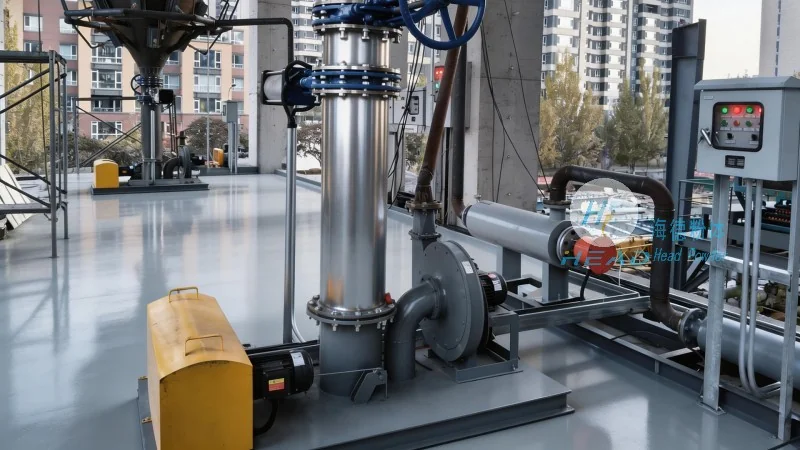
Introduction to Styrene Pneumatic Conveying Systems
Styrene, a key raw material in the production of polystyrene and other polymer products, requires efficient and safe transportation methods to ensure smooth industrial processes. Pneumatic conveying systems offer a reliable solution for moving styrene from storage to processing units, minimizing the risk of dust exposure and improving overall operational safety. These systems utilize air as the conveying medium, enabling the transport of granular or powdered materials like styrene through a network of pipes.
Company Background and Expertise
Shandong HeadPowder Engineering Co., Ltd., the parent company of HeadPowder, has established itself as a trusted provider of engineering solutions for material handling and process automation. With a strong presence in Shandong, China, the company leverages its technical expertise and industry experience to deliver customized pneumatic conveying systems tailored to the specific needs of clients. The company’s commitment to quality and innovation has positioned it as a leader in the field, serving a wide range of industries including chemical, petrochemical, and manufacturing sectors.
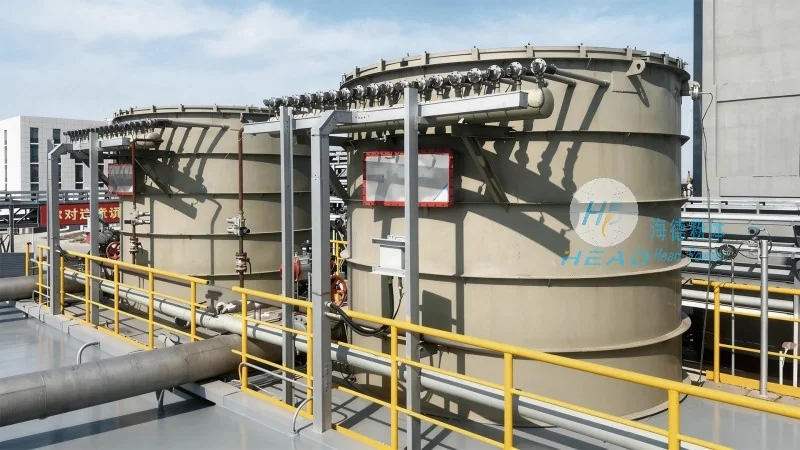
Components of a Styrene Pneumatic Conveying System
A typical styrene pneumatic conveying system consists of several key components that work in tandem to ensure efficient material transport. These components include:
- Feeder: The feeder is responsible for feeding styrene from the storage hopper into the conveying line. It ensures a consistent and controlled flow of material, preventing blockages and maintaining system stability.
- Pneumatic Conveying Pipe: The main pipeline through which styrene is transported. The pipe is typically made of durable materials such as stainless steel or corrosion-resistant alloys to withstand the chemical properties of styrene and ensure long-term performance.
- Air Supply Unit: This unit generates the necessary air pressure or vacuum to move the styrene through the pipe. It may include a blower or compressor, depending on the system design (positive or negative pressure).
- Separation and Collection Equipment: At the receiving end, this equipment separates the conveyed styrene from the air stream and collects it in a designated container. It may include cyclones, filters, or other separation devices to ensure clean material handling.
Operation Process of the Styrene Pneumatic Conveying System
The operation of a styrene pneumatic conveying system involves a series of sequential steps that ensure the smooth and efficient transport of material. The process typically begins with the preparation of the system and the loading of styrene into the storage hopper. Here is a step-by-step breakdown of the operation:
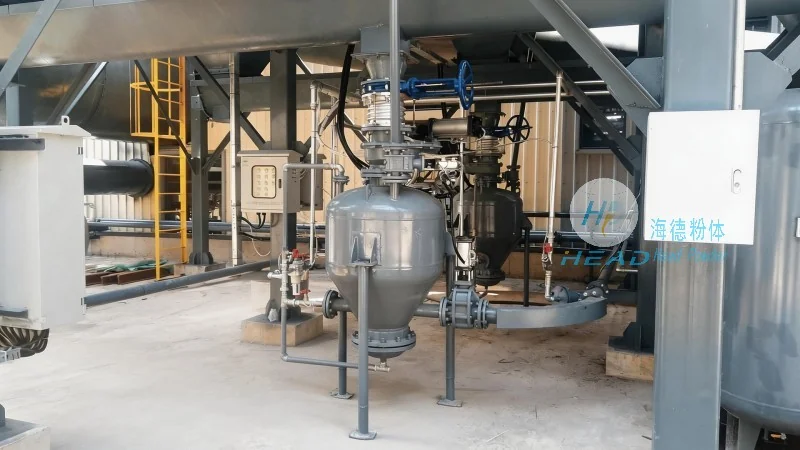
- Material Loading: Styrene is loaded into the storage hopper from which it will be fed into the system. The hopper is equipped with a feeder that controls the flow rate of the material.
- Feeder Activation: The feeder is activated to start the flow of styrene into the pneumatic conveying pipe. The feeder may use a screw, rotary valve, or other mechanism to ensure a consistent feed.
- Air Supply Initiation: The air supply unit is started, generating the required pressure or vacuum to move the styrene through the pipe. The air flow rate is adjusted to match the material feed rate, ensuring optimal conveying efficiency.
- Material Transport: As the air flows through the pipe, it entrains the styrene particles, carrying them from the loading point to the receiving end. The system maintains a stable flow, preventing material buildup or blockages.
- Separation and Collection: At the receiving end, the air and styrene mixture enters a separation unit. The cyclone or filter separates the styrene from the air, allowing the material to be collected in a container. The separated air is then discharged or recirculated, depending on the system design.
- System Shutdown: Once the material has been fully conveyed, the system is shut down in an orderly manner. The air supply is turned off, and the feeder is stopped to prevent any residual material from being released.
Working Principle of the System
The working principle of a styrene pneumatic conveying system is based on the fundamental concept of air as a conveying medium. The system can operate under either positive pressure (blow-through) or negative pressure (suction) depending on the application requirements and material characteristics. The key principles involved are:
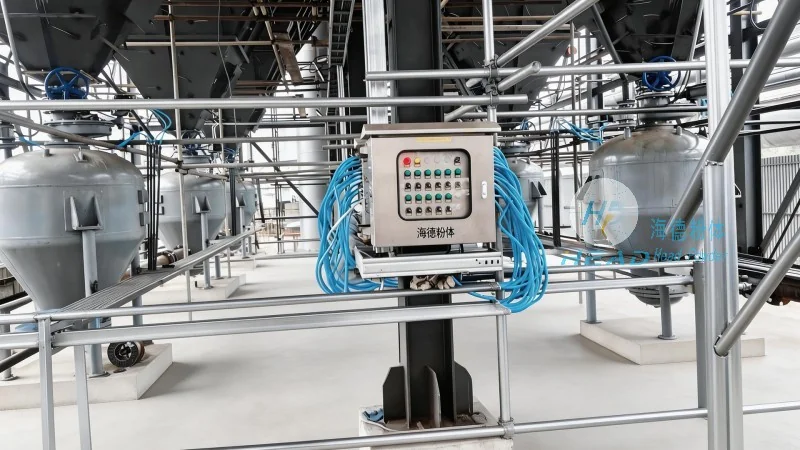
- Positive Pressure (Blow-Through) System: In this configuration, a blower or compressor generates high-pressure air that forces the styrene through the pipe. The air flow creates a low-pressure zone at the receiving end, which draws the material along with the air. This method is suitable for long-distance or high-volume conveying.
- Negative Pressure (Suction) System: Here, a vacuum pump creates a low-pressure environment at the receiving end, drawing the styrene and air mixture into the pipe. The air flow is generated at the loading end, and the material is pulled through the system. This approach is often used for shorter distances or when the material is sensitive to high air velocities.
- Air-Particle Interaction: The interaction between the air and styrene particles is critical to the system's performance. The air flow must be sufficient to entrain the particles without causing excessive wear or degradation of the material. The velocity of the air in the pipe is carefully controlled to maintain a stable conveying condition, typically within a range that prevents particle separation or deposition.
Advantages of Using Pneumatic Conveying for Styrene
Implementing a pneumatic conveying system for styrene offers several advantages over traditional methods such as belt conveyors or bucket elevators. These benefits include:
- Enhanced Safety: Pneumatic systems eliminate the need for open handling of styrene, reducing the risk of dust explosions and exposure to harmful fumes. The enclosed system also minimizes the risk of material spillage and contamination.
- Improved Efficiency: The system allows for continuous and automated material transport, reducing labor costs and increasing production throughput. The consistent flow rate ensures that the processing units receive a steady supply of styrene, optimizing the overall production process.
- Flexibility and Scalability: Pneumatic conveying systems can be easily customized and scaled to accommodate varying production demands. The modular design allows for the addition or removal of components as needed, providing flexibility in system expansion or modification.
- Reduced Maintenance: With fewer moving parts compared to mechanical conveyors, pneumatic systems generally require less maintenance. The enclosed design also protects components from dust and environmental factors, extending their service life.
Conclusion
HeadPowder, with its headquarters in Shandong, China, provides comprehensive solutions for the design, installation, and maintenance of styrene pneumatic conveying systems. By leveraging advanced engineering and industry expertise, the company ensures that clients receive efficient, reliable, and safe material handling solutions tailored to their specific needs. The operation process and working principle of such systems, as detailed above, highlight the technical sophistication and operational benefits that make pneumatic conveying an ideal choice for transporting styrene in modern industrial applications.

 Shandong Headpowder Engineering Co., Ltd.
 156-6277-7102(Manager Zhang)
  0531-83386006
  Zhangqiu District, Jinan City, Shandong Province, China