With more than 10‑year industry experience, Shandong Headpowder delivers full‑service pneumatic‑conveying systems and blowers, undertaking nationwide turn‑key powder‑handling projects.
Desulfurization gypsum, a byproduct of flue gas desulfurization processes in power plants and industrial facilities, requires efficient and reliable transport methods for handling and utilization. Pneumatic conveying systems have emerged as a key technology for transporting this material due to their ability to handle bulk materials over long distances with minimal environmental impact. This article provides a detailed analysis of the two primary pneumatic conveying modes—positive pressure and negative pressure systems—used for desulfurization gypsum transport, highlighting their operational principles, advantages, and practical applications.
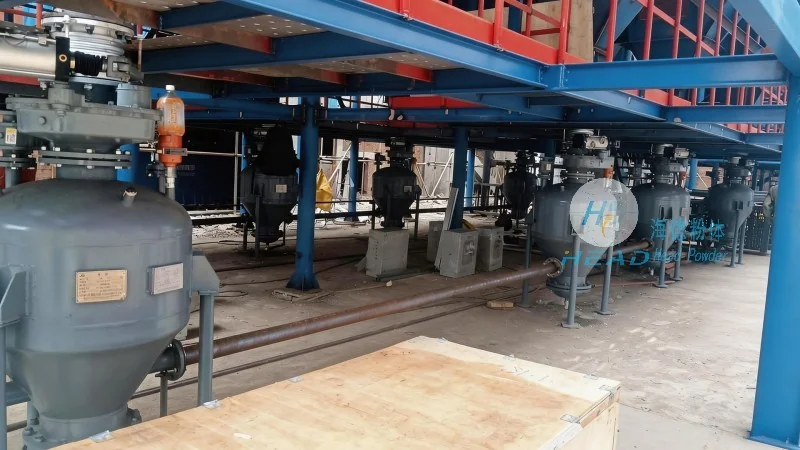
Desulfurization gypsum, also known as FGD gypsum, is a fine, powdery material produced from the reaction of limestone or lime with sulfur dioxide in flue gas. It is commonly used in construction materials, soil conditioning, and other industrial applications. Pneumatic conveying systems utilize air or gas to transport bulk materials like desulfurization gypsum through pipelines, offering advantages such as dust control, reduced labor costs, and the ability to handle materials in hazardous environments. The choice between positive and negative pressure systems depends on factors like material properties, distance, and system complexity.
Positive pressure systems operate by blowing air or gas into the conveying line, creating a pressure higher than the ambient air pressure. This method is suitable for transporting desulfurization gypsum over medium to long distances and is often preferred for applications requiring high material flow rates. The system typically includes a blower, a hopper for material storage, and a pipeline network. The air is introduced at the material inlet, and the material is carried by the high-pressure air stream through the pipeline to the discharge point. A key advantage of positive pressure systems is their ability to handle abrasive materials without significant wear on the system components. However, they may require more maintenance due to the higher air pressure and the need for efficient filtration to prevent dust accumulation in the system.
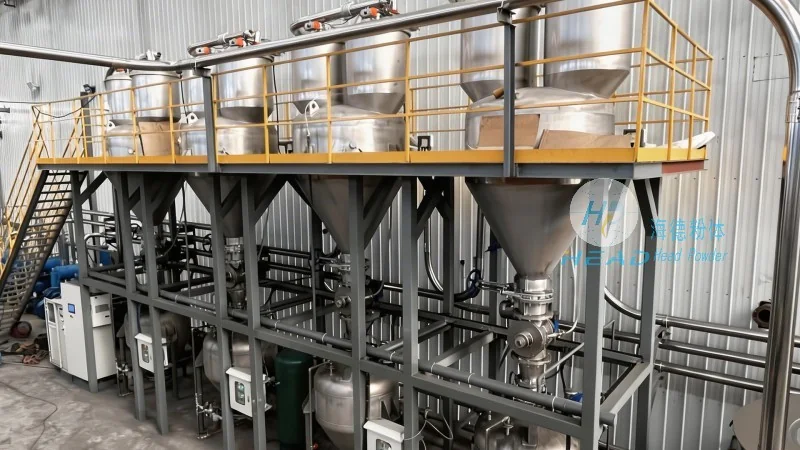
Negative pressure systems, also known as vacuum conveying systems, operate by creating a vacuum in the conveying line, drawing material from the source into the pipeline. This method is ideal for transporting desulfurization gypsum over shorter distances or when the material needs to be collected from multiple points. The system consists of a vacuum pump, a hopper, and a pipeline network. The vacuum is created at the discharge end, and the material is drawn into the pipeline by the pressure differential. Negative pressure systems are generally more energy-efficient for short-distance transport and can handle materials with higher moisture content. However, they may be less effective for abrasive materials and require careful design to prevent blockages and ensure consistent material flow.
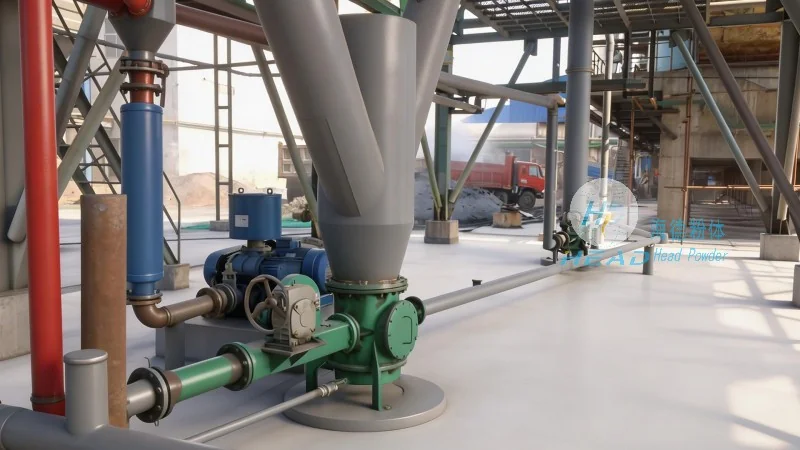
The selection between positive and negative pressure pneumatic conveying systems for desulfurization gypsum depends on several critical factors. Distance is a primary consideration: positive pressure systems are more suitable for longer distances due to their ability to maintain pressure over extended pipelines, while negative pressure systems are better for shorter distances or when the material needs to be collected from multiple sources. Material properties, such as particle size, density, and abrasiveness, also influence the choice. For example, highly abrasive desulfurization gypsum may benefit from the robust design of positive pressure systems, which can withstand higher pressures and wear. Additionally, the system's energy efficiency and maintenance requirements play a role. Positive pressure systems may consume more energy due to the high air pressure, whereas negative pressure systems are more energy-efficient for short distances. The overall system cost, including equipment, installation, and operational expenses, should also be evaluated when deciding between the two modes.
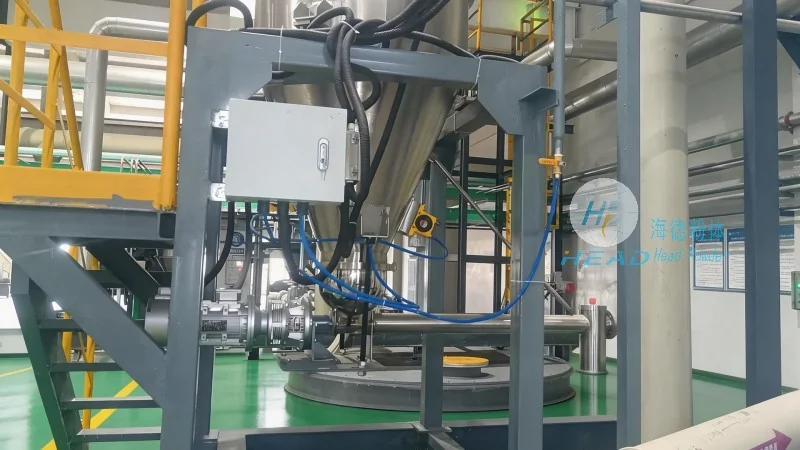
Regardless of the chosen pneumatic conveying mode, proper operation and maintenance are essential for optimal performance. For positive pressure systems, regular inspection of the blower and pipeline for wear and damage is crucial. The air filtration system must be maintained to prevent dust accumulation, which can reduce system efficiency and cause blockages. For negative pressure systems, the vacuum pump and pipeline must be checked for leaks to ensure consistent vacuum levels. Material feed rates should be controlled to avoid overloading the system, which can lead to blockages or reduced conveying efficiency. Additionally, the system should be designed with proper cleaning mechanisms to prevent material buildup in the pipeline, especially for materials with high moisture content or abrasive properties.
In conclusion, both positive and negative pressure pneumatic conveying systems offer viable solutions for transporting desulfurization gypsum, each with its own advantages and limitations. Positive pressure systems are better suited for long-distance, high-flow applications, while negative pressure systems are ideal for short-distance or multi-source collection. The choice depends on factors such as distance, material properties, and operational efficiency. Proper system design, regular maintenance, and adherence to best practices ensure the reliable and efficient transport of desulfurization gypsum, contributing to the sustainability and efficiency of industrial processes. As the demand for desulfurization gypsum increases, the selection of an appropriate pneumatic conveying system becomes critical for optimizing material handling and reducing operational costs.

 Shandong Headpowder Engineering Co., Ltd.
 156-6277-7102(Manager Zhang)
  0531-83386006
  Zhangqiu District, Jinan City, Shandong Province, China
telephone
WeChatconsult
top