With more than 10‑year industry experience, Shandong Headpowder delivers full‑service pneumatic‑conveying systems and blowers, undertaking nationwide turn‑key powder‑handling projects.
Fiber material pneumatic conveying systems are essential in various industrial applications, particularly in processing and transporting fibrous materials efficiently. These systems utilize air or gas as the medium to move materials from one location to another, offering advantages such as reduced equipment wear, minimal product contamination, and the ability to handle materials in a dust-free environment. For industries dealing with fibers like wood, paper, or synthetic fibers, the design and implementation of an effective pneumatic conveying system are critical to operational success.
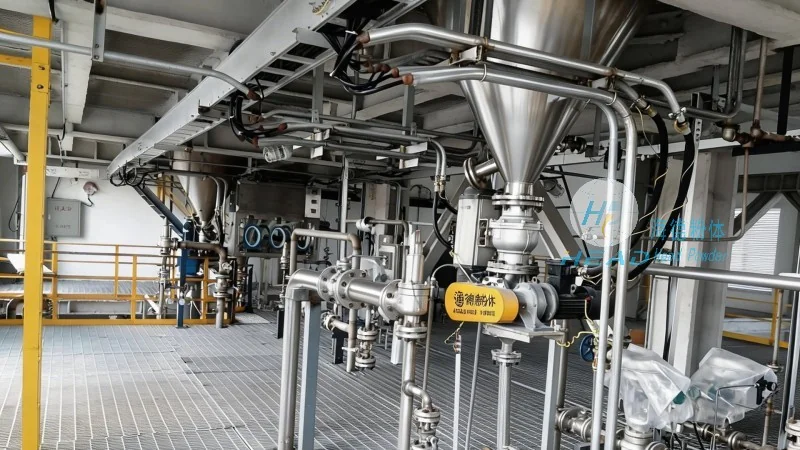
The core components of a fiber material pneumatic conveying system typically include a material hopper, a feeder (often a rotary valve or screw feeder), a conveying pipeline, a dust collector, and a discharge unit. The material hopper stores the fiber material and ensures a consistent feed to the system. The feeder regulates the flow rate of the material into the pipeline, preventing overloading and maintaining system efficiency. The conveying pipeline, usually made of stainless steel or other corrosion-resistant materials, transports the fiber material through the system. A dust collector is integrated to capture any airborne particles, ensuring compliance with environmental regulations and maintaining a clean working environment. The discharge unit delivers the fiber material to the final destination, such as a storage silo or processing equipment.
Implementing a pneumatic conveying system for fiber materials offers several benefits. First, it minimizes product degradation by reducing mechanical stress and friction during transport. This is crucial for delicate fibers that can be easily damaged by traditional mechanical conveyors. Second, the system provides a dust-free operation, which enhances workplace safety and improves product quality by preventing contamination. Third, pneumatic conveying systems are flexible and can be easily integrated into existing production lines, allowing for adjustments in material flow rates and system layout. Additionally, these systems are energy-efficient compared to other bulk material handling methods, contributing to lower operational costs over time.
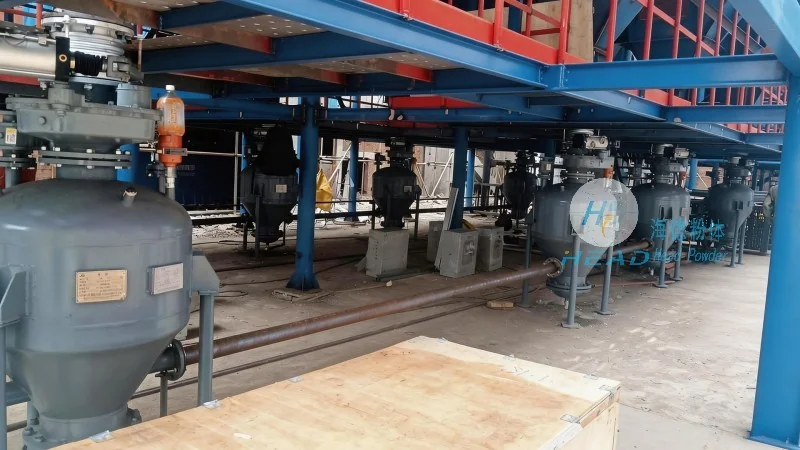
Designing an efficient fiber material pneumatic conveying system requires careful consideration of several factors. The first is the material characteristics, including particle size, moisture content, and flowability. These properties determine the appropriate conveying velocity and system configuration. For example, fine fibers may require higher air velocities to prevent clogging, while larger fibers might need lower velocities to maintain system stability. The second factor is the system layout, which should be optimized to minimize pressure losses and ensure smooth material flow. This includes selecting the right pipeline diameter, length, and bends, as well as incorporating appropriate air inlets and outlets. The third consideration is the system's capacity, which must be matched to the production requirements of the facility. Overloading the system can lead to reduced efficiency and increased maintenance needs, while underloading may result in higher energy consumption per unit of material transported.
Fiber material pneumatic conveying systems are widely used in various industries. In the paper and pulp industry, these systems are employed to transport raw fibers from storage to processing equipment, such as pulpers and refiners. In the wood processing industry, they are used to move wood chips or sawdust from storage to drying or pelletizing equipment. The synthetic fiber industry also utilizes pneumatic conveying systems to transport raw fibers or finished products from production lines to packaging or storage areas. Additionally, in the agricultural sector, these systems can be used to handle fibrous materials like straw or hay, facilitating their transport to processing facilities or storage silos.
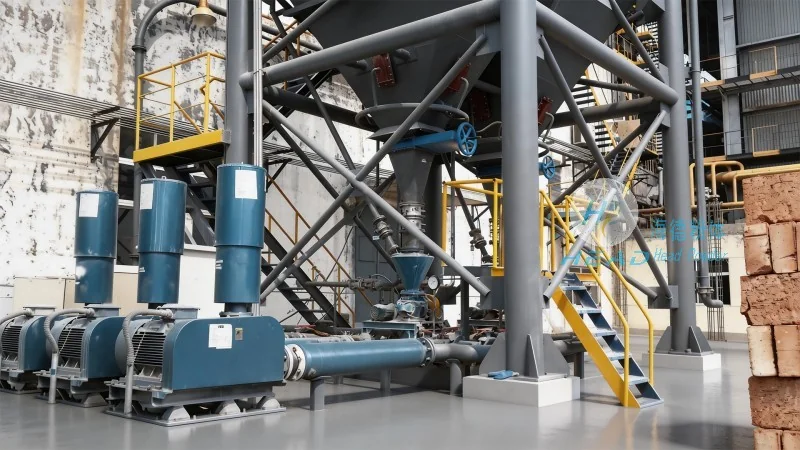
Shandong HeadPowder Engineering Co., Ltd., a leading provider of bulk material handling solutions, specializes in designing and manufacturing pneumatic conveying systems tailored to the needs of fiber material processing. With years of experience in the industry, HeadPowder has developed advanced systems that address the unique challenges of handling fibrous materials. Their systems are engineered to ensure high efficiency, minimal product loss, and compliance with environmental standards. For example, one of their projects involved designing a pneumatic conveying system for a paper mill in Shandong, China. The system successfully transported wood chips from a storage silo to a pulping machine, achieving a material flow rate of 50 tons per hour with minimal pressure drop. The system's design incorporated a rotary valve feeder and a stainless steel pipeline, ensuring durability and resistance to corrosion from the wood chips. HeadPowder's expertise in material handling and pneumatic conveying technology has enabled them to deliver reliable and efficient solutions for their clients, enhancing their operational productivity and reducing maintenance costs.
Fiber material pneumatic conveying systems are a vital component in modern industrial operations, offering efficient and safe methods for transporting fibrous materials. By understanding the key components, advantages, and design considerations of these systems, industries can optimize their material handling processes. Shandong HeadPowder Engineering Co., Ltd. remains committed to providing high-quality pneumatic conveying solutions that meet the specific needs of their clients, ensuring long-term operational success and sustainability. For more information on their fiber material pneumatic conveying systems, please contact them at their headquarters in Shandong, China.

 Shandong Headpowder Engineering Co., Ltd.
 156-6277-7102(Manager Zhang)
  0531-83386006
  Zhangqiu District, Jinan City, Shandong Province, China
telephone
WeChatconsult
top