With more than 10‑year industry experience, Shandong Headpowder delivers full‑service pneumatic‑conveying systems and blowers, undertaking nationwide turn‑key powder‑handling projects.
Understanding the nuances of bulk material handling is crucial for industries dealing with grain, powders, and other granular products. Pneumatic conveying systems, which use air to transport materials, offer efficient and flexible solutions. This article delves into the two primary modes of operation: positive pressure and negative pressure, exploring their mechanisms, applications, and comparative advantages.
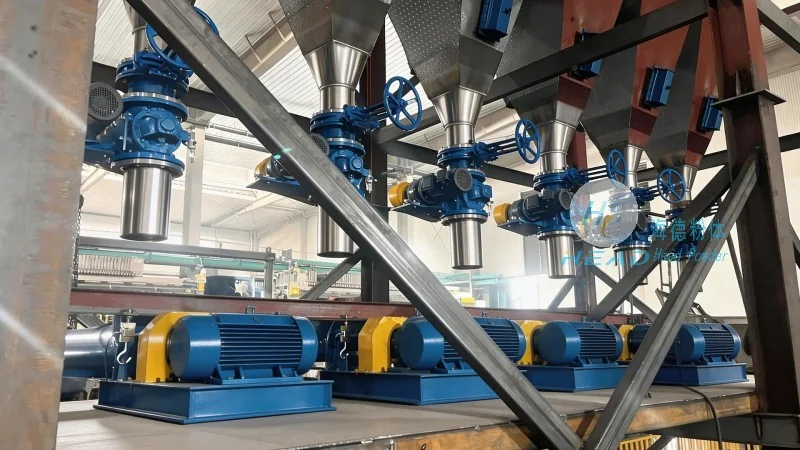
Pneumatic conveying, also known as air conveying, is a method of transporting bulk materials through a pipeline using compressed air or vacuum. It is widely used in industries such as agriculture, food processing, pharmaceuticals, and chemical manufacturing due to its ability to handle a variety of materials, including delicate or abrasive products. The choice between positive and negative pressure systems depends on factors like material characteristics, distance, and system complexity.
HeadPowder, or Shandong HeadPowder Engineering Co., Ltd., is a prominent manufacturer and supplier of advanced pneumatic conveying equipment. With headquarters in Shandong, China, the company specializes in designing, manufacturing, and installing customized systems tailored to the specific needs of clients. HeadPowder's expertise lies in optimizing material flow, ensuring minimal product degradation, and enhancing operational efficiency for various bulk material applications.
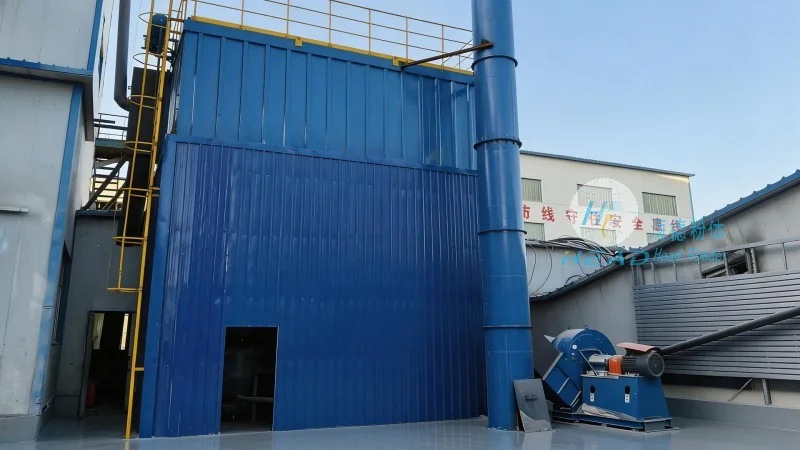
Positive pressure systems operate by blowing air or a mixture of air and material into the conveying line, creating a pressure higher than the ambient air. This mode is particularly effective for transporting materials over longer distances and through complex networked systems. The system typically includes a blower, a hopper for material storage, and a discharge point where the material is released under pressure. Positive pressure is ideal for materials that are prone to bridging or caking, as the continuous airflow helps prevent blockages. HeadPowder's positive pressure conveyors are engineered to handle high volumes of bulk materials, ensuring reliable and consistent performance in industrial settings.
Negative pressure systems, also known as vacuum or suction systems, work by creating a vacuum in the conveying line, drawing material from the source into the pipeline. This mode is commonly used for short-distance transport and for handling materials that are sensitive to pressure or require a clean environment. The system comprises a vacuum pump, a collection hopper, and a discharge point where the material is released under vacuum. Negative pressure is advantageous for applications where dust control and material containment are critical, such as in food processing or pharmaceutical industries. HeadPowder's negative pressure conveyors are designed to maintain a sterile and controlled environment, ensuring compliance with industry standards and regulations.
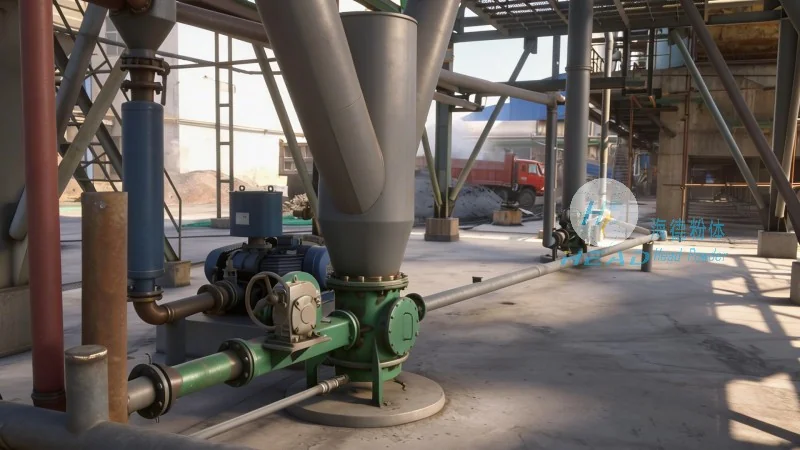
When selecting a pneumatic conveying system, it is essential to evaluate the pros and cons of each mode. Positive pressure systems generally offer higher conveying rates and are more suitable for long-distance transport, but they may generate more dust and require more energy. Negative pressure systems, while more energy-efficient for short distances, may have limitations in handling abrasive or sticky materials and can be more complex to maintain. HeadPowder's engineers consider these factors when recommending the optimal system for a client's specific requirements, ensuring a balance between performance, cost, and operational safety.
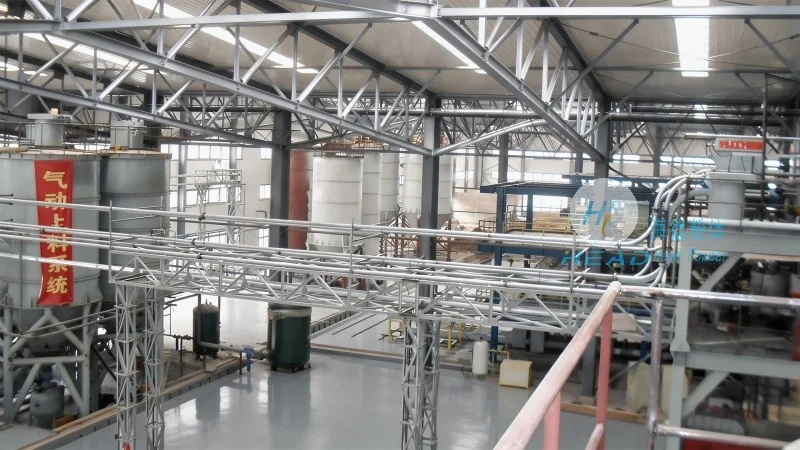
Both positive and negative pressure pneumatic conveying systems offer significant advantages over traditional mechanical conveying methods. They reduce labor costs, minimize product damage, and improve overall system efficiency. However, the choice of system depends on the material's physical properties, such as particle size, moisture content, and flowability, as well as the operational constraints like distance, layout, and environmental regulations. HeadPowder's team of experts conducts thorough assessments to determine the most suitable mode for each project, providing tailored solutions that meet the unique challenges of bulk material handling.
In conclusion, pneumatic conveying technology, whether through positive or negative pressure modes, is a vital component of modern bulk material handling. The choice between the two systems hinges on specific operational needs, material characteristics, and environmental considerations. HeadPowder, with its extensive experience and expertise, continues to provide innovative and reliable pneumatic conveying solutions that enhance productivity and efficiency for industries worldwide. By understanding the nuances of each mode and leveraging advanced engineering, companies can optimize their material handling processes and achieve greater operational success.

 Shandong Headpowder Engineering Co., Ltd.
 156-6277-7102(Manager Zhang)
  0531-83386006
  Zhangqiu District, Jinan City, Shandong Province, China
telephone
WeChatconsult
top