With more than 10‑year industry experience, Shandong Headpowder delivers full‑service pneumatic‑conveying systems and blowers, undertaking nationwide turn‑key powder‑handling projects.
Adipic acid, a critical raw material in the production of nylon and other polymers, requires efficient and reliable material handling solutions to ensure smooth industrial processes. Pneumatic conveying systems have emerged as a preferred method for transporting adipic acid due to their ability to handle fine powders and granules with minimal product degradation. This article provides an in-depth analysis of the key components, operational principles, and practical applications of pneumatic conveying systems specifically designed for adipic acid, highlighting the expertise of Shandong HeadPowder Engineering Co., Ltd. in delivering tailored solutions for industrial clients.
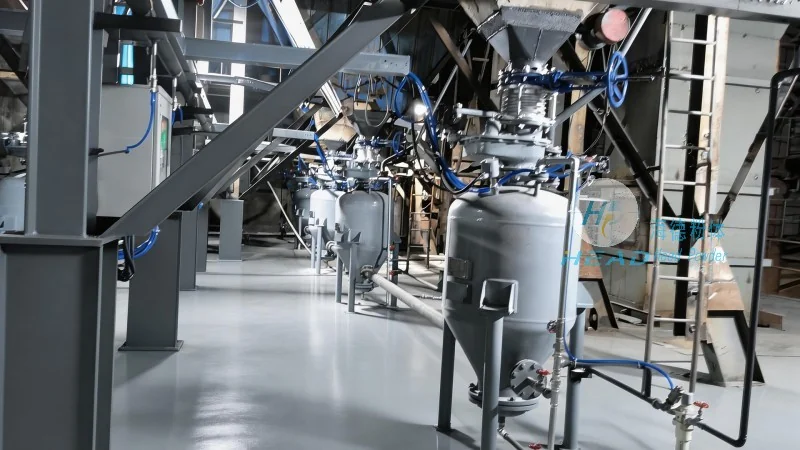
The effectiveness of a pneumatic conveying system for adipic acid depends on several critical components that work in harmony to ensure optimal performance. The primary components include the hopper or feed bin, which stores and feeds the adipic acid into the system; the conveyor line, which can be either positive or negative pressure depending on the application; the air compressor or vacuum pump, which provides the necessary airflow; and the control system, which regulates the flow rate and pressure to maintain consistent operation. Each component is carefully selected and engineered to handle the specific properties of adipic acid, such as its particle size, moisture content, and flow characteristics. For instance, the feed bin is often equipped with a rotary valve or screw feeder to prevent clogging and ensure a steady flow of material into the conveyor line. The air compressor, typically a high-efficiency model, is chosen to deliver the required air volume and pressure without excessive energy consumption. The control system, often integrated with sensors and automation technology, allows for real-time monitoring and adjustment of the conveying process, enhancing operational efficiency and reducing downtime.
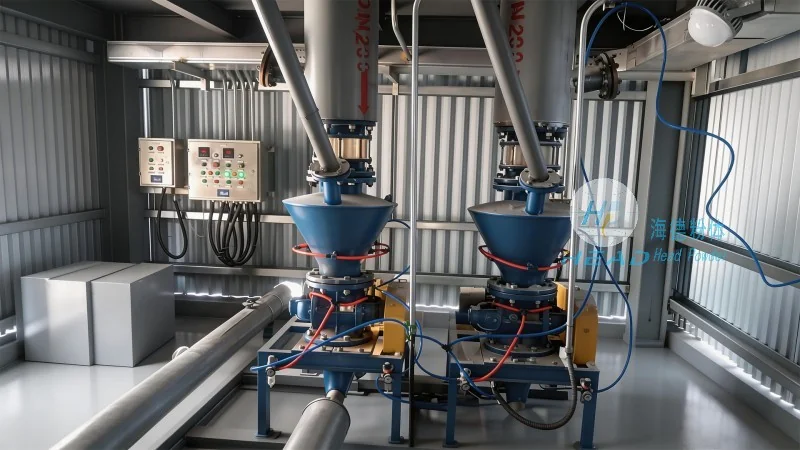
Pneumatic conveying systems operate on the principle of using air to move solid materials through a pipeline. There are two main types of pneumatic conveying: positive pressure (or pressure) systems and negative pressure (or vacuum) systems. Positive pressure systems use an air compressor to force air and material through the pipeline, while negative pressure systems use a vacuum pump to draw material into the pipeline. For adipic acid, the choice between these systems depends on factors such as the distance to be conveyed, the amount of material to be transported, and the need to minimize product contamination. Positive pressure systems are generally more suitable for short to medium distances and high material flow rates, as they can maintain consistent pressure and prevent backflow. Negative pressure systems, on the other hand, are ideal for longer distances and applications where product contamination is a concern, as they create a sealed environment that prevents dust and particles from escaping. Shandong HeadPowder Engineering Co., Ltd. specializes in designing and manufacturing both types of systems, ensuring that clients can select the most appropriate solution for their specific needs. The company’s engineers consider factors such as the particle size distribution, moisture content, and bulk density of adipic acid to determine the optimal conveying method and system configuration.
Compared to traditional material handling methods like belt conveyors or bucket elevators, pneumatic conveying systems offer several advantages when handling adipic acid. One of the most significant benefits is the ability to transport fine powders and granules without the need for mechanical contact, which reduces the risk of product degradation, contamination, or segregation. This is particularly important for adipic acid, as it is a high-value chemical used in the production of nylon and other polymers, where even minor contamination can affect the quality of the final product. Pneumatic conveying also allows for a more flexible and compact system layout, as the conveyor line can be installed in a variety of configurations, including vertical, horizontal, or a combination of both, to fit the available space in an industrial facility. Additionally, pneumatic systems can be integrated with other processing equipment, such as reactors or reactors, to create a seamless material flow from storage to processing. The energy efficiency of pneumatic conveying systems is another key advantage, as they can use less energy than traditional methods while maintaining high material throughput. Shandong HeadPowder Engineering Co., Ltd. has optimized its pneumatic conveying systems for adipic acid to achieve maximum energy efficiency and minimal operational costs, making them a cost-effective solution for industrial clients.
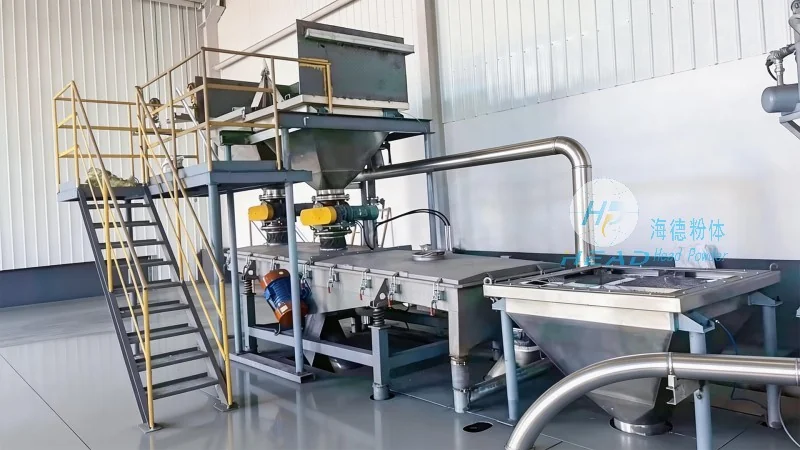
Pneumatic conveying systems for adipic acid are widely used in various industrial applications, including chemical manufacturing, pharmaceutical production, and food processing. For example, in a nylon production facility, adipic acid is typically stored in a large hopper and then conveyed to a reactor via a pneumatic system. The system ensures that the adipic acid is delivered to the reactor in a controlled manner, maintaining the required flow rate and preventing any interruptions in the production process. Another application is in the pharmaceutical industry, where adipic acid is used as an excipient or raw material for drug synthesis. Here, the pneumatic conveying system is used to transport the adipic acid from storage to a mixing or processing unit, ensuring that the material is handled hygienically and without contamination. Shandong HeadPowder Engineering Co., Ltd. has successfully implemented pneumatic conveying systems for adipic acid in numerous projects, including a large-scale nylon production plant in China and a pharmaceutical manufacturing facility in Europe. These case studies demonstrate the effectiveness of the company’s systems in improving operational efficiency, reducing downtime, and enhancing product quality. The company’s engineers work closely with clients to understand their specific requirements and provide customized solutions that meet their needs.

 Shandong Headpowder Engineering Co., Ltd.
 156-6277-7102(Manager Zhang)
  0531-83386006
  Zhangqiu District, Jinan City, Shandong Province, China
telephone
WeChatconsult
top