Food Pneumatic Conveying Systems: An In-Depth Analysis
Release time:2026-09-14 10:39:13
name of the company:Shandong Headpowder Engineering Co., Ltd.
telephone:156-6277-7102
contacts:Manager Zhang
Food processing industries rely on efficient and hygienic material handling solutions to maintain product quality and operational efficiency. Among the various technologies available, pneumatic conveying systems have emerged as a preferred choice for transporting bulk food products. This article provides a comprehensive overview of food pneumatic conveying systems, exploring their working principles, key components, and the benefits they offer to the food industry.
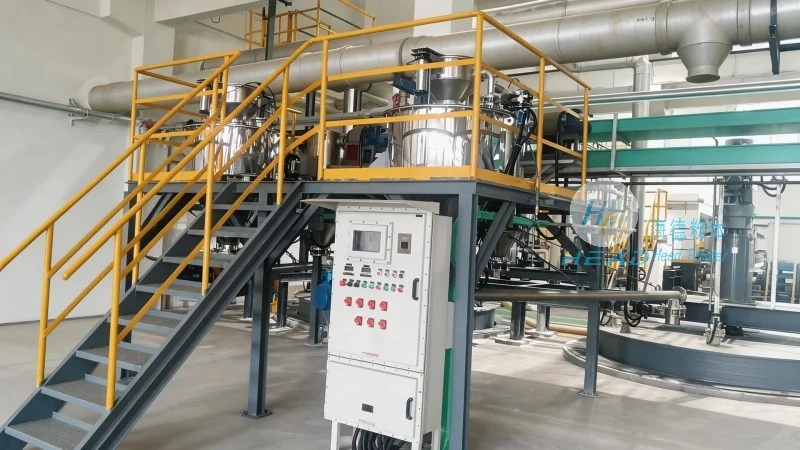
Understanding Food Pneumatic Conveying Systems
Food pneumatic conveying systems utilize air or other gases to transport dry bulk materials, such as powders, granules, and small particles, through a pipeline network. Unlike mechanical conveyors, which rely on physical contact and moving parts, pneumatic systems operate by creating a pressure differential to move materials. This method ensures minimal product contamination, reduced risk of cross-contamination, and improved hygiene, making it ideal for food processing applications where product integrity is paramount.
Key Components of a Food Pneumatic Conveying System
The effectiveness of a food pneumatic conveying system depends on several critical components that work in tandem to ensure smooth material transport. These components include:
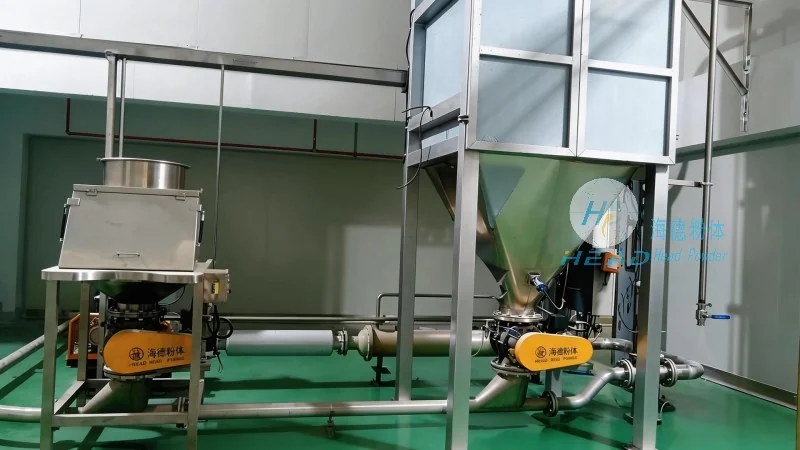
- Feeder: The feeder is responsible for introducing the bulk material into the conveying line. For food applications, feeders are designed to handle various product types, including powders and granules, while maintaining consistent flow rates. This component is crucial for preventing material bridging and ensuring a steady supply of product to the system.
- Pneumatic Conveying Unit: This is the core of the system, where the material is propelled through the pipeline using air pressure. The unit typically consists of a blower or compressor that generates the necessary airflow, along with control valves and regulators to manage pressure and flow rates. The design of the conveying unit must comply with food safety standards, ensuring that all materials and surfaces are easy to clean and sanitize.
- Pipeline System: The pipeline network forms the backbone of the conveying system, guiding the material from the feeder to the discharge point. Food-grade materials, such as stainless steel or food-grade plastic, are commonly used for the pipeline to prevent contamination and ensure durability. The pipeline is often equipped with bends, elbows, and straight sections to accommodate the layout of the processing facility.
- Receiver or Discharge Unit: The receiver or discharge unit is where the material is collected after being transported through the pipeline. It is designed to handle the material efficiently and can be integrated with downstream processing equipment, such as mixers or packaging machines. The receiver must be equipped with proper sealing and cleaning mechanisms to maintain hygiene standards.
Benefits of Using Food Pneumatic Conveying Systems
Implementing a food pneumatic conveying system offers numerous advantages for food processing facilities. These benefits include:
- Hygienic and Sanitary Operation: Pneumatic systems eliminate the need for physical contact between the product and the conveyor, reducing the risk of contamination from equipment surfaces. The enclosed pipeline design also prevents dust and particles from entering the environment, maintaining a clean and safe working environment.
- Flexibility and Scalability: Food pneumatic conveying systems can be easily customized to fit the specific needs of a processing facility. They can be scaled up or down to accommodate varying production volumes and can be integrated with existing equipment, allowing for seamless expansion or modification of the production line.
- Reduced Product Damage: Unlike mechanical conveyors, which may cause abrasion or breakage to delicate food products, pneumatic systems use air to move materials gently. This minimizes product degradation, ensuring that the quality and integrity of the food are preserved throughout the conveying process.
- Energy Efficiency: Modern pneumatic conveying systems are designed to be energy-efficient, utilizing advanced blower technology and optimized airflow to reduce energy consumption. This not only lowers operational costs but also aligns with sustainability goals in the food industry.
Applications in the Food Industry
Food pneumatic conveying systems are widely used in various applications across the food industry. Some common examples include:
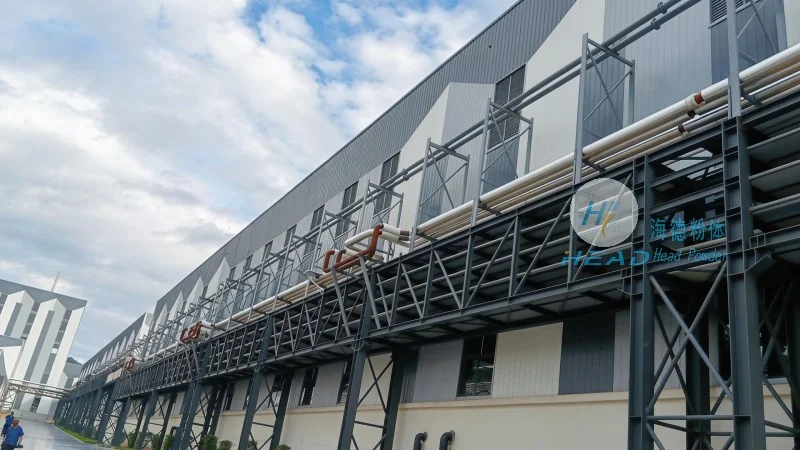
- Transporting Dry Ingredients: Systems are used to convey dry ingredients such as flour, sugar, and spices from storage silos to production lines. This ensures a consistent supply of raw materials and maintains product quality.
- Processing and Packaging: Pneumatic conveyors are integrated into packaging lines to transport finished products from processing equipment to packaging machines. This streamlines the production process and improves overall efficiency.
- Quality Control: In some facilities, pneumatic systems are used to transport samples of food products to quality control labs for testing and analysis. This allows for rapid and accurate assessment of product quality.
Choosing the Right Food Pneumatic Conveying System
When selecting a food pneumatic conveying system, several factors must be considered to ensure optimal performance and compliance with industry standards. These factors include:
- Product Characteristics: The type of food product, such as its particle size, density, and flowability, will determine the appropriate conveying method and equipment. For example, cohesive or sticky materials may require specialized feeders or conveying lines to prevent blockages.
- Facility Layout and Space Constraints: The available space in the processing facility will influence the design and configuration of the pneumatic system. Customizable pipeline layouts and modular components allow for flexible installation, even in confined areas.
- Regulatory Compliance: Food processing facilities must adhere to strict regulations regarding hygiene and safety. The chosen system must meet or exceed these standards, with components that are easy to clean, sanitize, and inspect.
- Operational Requirements: The production volume, speed, and desired throughput will dictate the capacity and performance of the conveying system. It is essential to select a system that can handle the required flow rates and maintain consistent operation under varying conditions.
Conclusion
Food pneumatic conveying systems represent a highly effective and hygienic solution for material handling in the food industry. By leveraging air pressure to transport bulk materials, these systems offer numerous benefits, including improved product quality, enhanced operational efficiency, and compliance with industry standards. For food processing facilities seeking to optimize their material handling processes, investing in a well-designed pneumatic conveying system is a strategic decision that can yield long-term benefits.

 Shandong Headpowder Engineering Co., Ltd.
 156-6277-7102(Manager Zhang)
  0531-83386006
  Zhangqiu District, Jinan City, Shandong Province, China