Classification and Composition of Tri-metal Material Pneumatic Conveying Systems
Release time:2026-09-14 10:39:00
name of the company:Shandong Headpowder Engineering Co., Ltd.
telephone:156-6277-7102
contacts:Manager Zhang
Tri-metal materials, commonly used in lithium-ion battery cathode components such as NCA (Nickel Cobalt Aluminum) and NMC (Nickel Manganese Cobalt), require specialized handling and transportation systems to ensure efficiency and safety in industrial production. The pneumatic conveying system for tri-metal materials is a critical equipment solution that integrates advanced engineering principles to meet the demands of modern battery manufacturing processes. This article provides an overview of the classification and key components of such systems, highlighting the technical aspects and practical applications in industrial settings.
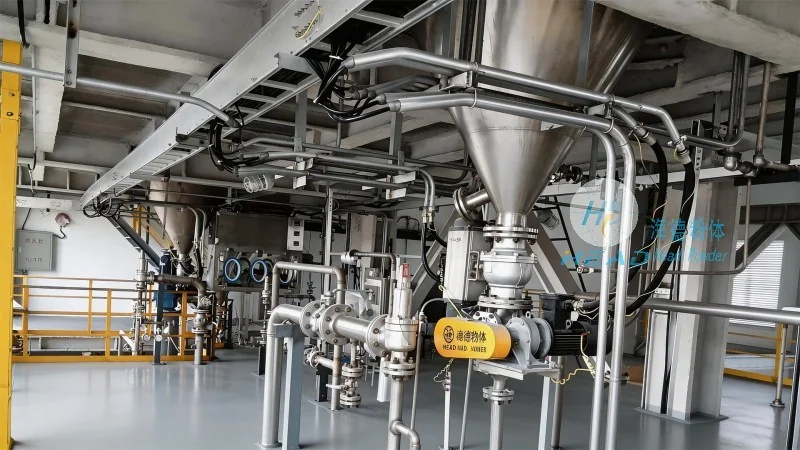
Classification of Tri-metal Material Pneumatic Conveying Systems
Tri-metal material pneumatic conveying systems are typically classified based on the conveying principle and operational pressure. The primary categories include:
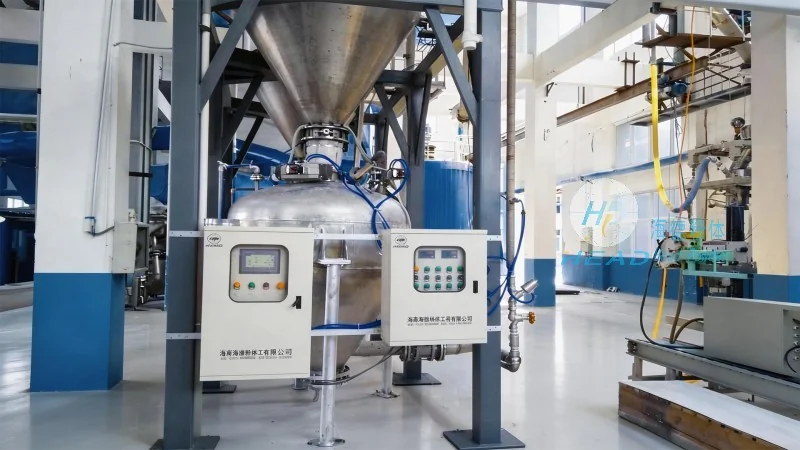
- Absorption Type (Suction Type): This system operates under negative pressure, drawing material from the source using a vacuum pump. It is suitable for conveying materials from a storage silo or hopper to the processing equipment, ensuring a clean and dust-free environment. The absorption type is ideal for handling fine powders and granules, minimizing material loss and contamination.
- Compression Type (Pressure Type): In contrast, the compression type operates under positive pressure, using a blower or compressor to push material through the pipeline. This method is effective for long-distance conveying and handling larger quantities of material. It is commonly used in industrial applications where the material needs to be transported from a central processing unit to multiple destinations or for bulk material handling.
- Combined Type: Some systems combine both suction and compression principles to achieve flexible operation. This hybrid approach allows for the handling of materials with varying properties, such as different particle sizes or moisture content, by adjusting the pressure and vacuum levels as needed. The combined type provides versatility and adaptability in complex production lines.
Key Components of the Tri-metal Material Pneumatic Conveying System
The pneumatic conveying system for tri-metal materials consists of several essential components that work in tandem to ensure efficient material transport. These components are designed to handle the specific characteristics of tri-metal powders, including their fine particle size, reactivity, and sensitivity to moisture or contamination.
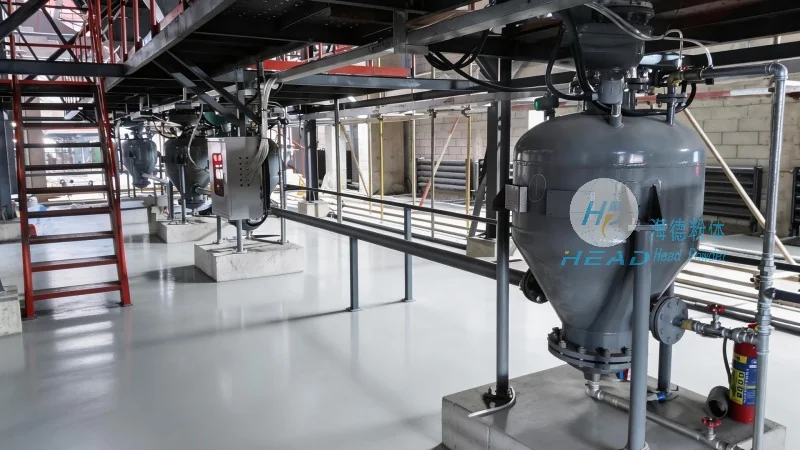
- Feeder (Supplying Device): The feeder is the initial component responsible for feeding the tri-metal material into the conveying system. It ensures a consistent and controlled flow of material, preventing blockages and maintaining uniform particle distribution. Common types include rotary valves, star feeders, and screw feeders, which are selected based on the material's properties and the required flow rate.
- Pneumatic Conveying Pipeline: The pipeline is the core of the system, responsible for transporting the material from the feeder to the destination. It is typically made of stainless steel or other corrosion-resistant materials to prevent material degradation and ensure durability. The pipeline design considers factors such as material particle size, flow rate, and pressure requirements to minimize pressure drop and maintain efficient conveying.
- Conveying Air Source (Blower or Vacuum Pump): The air source provides the necessary pressure or vacuum to move the material through the pipeline. For suction systems, a vacuum pump generates negative pressure, while for compression systems, a blower or compressor supplies positive pressure. The selection of the air source depends on the system type, material characteristics, and conveying distance. High-efficiency and low-noise models are preferred to reduce energy consumption and operational noise.
- Separation and Collection Equipment: At the receiving end, the system includes separation and collection devices to separate the conveying air from the material and collect the material in a designated container. Common components include cyclone separators, bag filters, and dust collectors. These devices ensure that the material is efficiently recovered and the air is filtered to meet environmental and safety standards. The separation efficiency is critical to prevent material loss and maintain product purity.
- Control and Monitoring System: Modern pneumatic conveying systems are equipped with advanced control and monitoring systems to optimize operation and ensure safety. These systems include pressure sensors, flow meters, and control valves that regulate the air flow and material feed. The control system can be integrated with a programmable logic controller (PLC) or a human-machine interface (HMI) to provide real-time monitoring and automatic adjustment of system parameters. This ensures consistent performance and reduces the risk of equipment failure or material damage.
Application and Benefits in Industrial Production
The tri-metal material pneumatic conveying system is widely used in the battery manufacturing industry, particularly for handling lithium-ion battery cathode materials. The system offers several key benefits that enhance production efficiency and product quality:
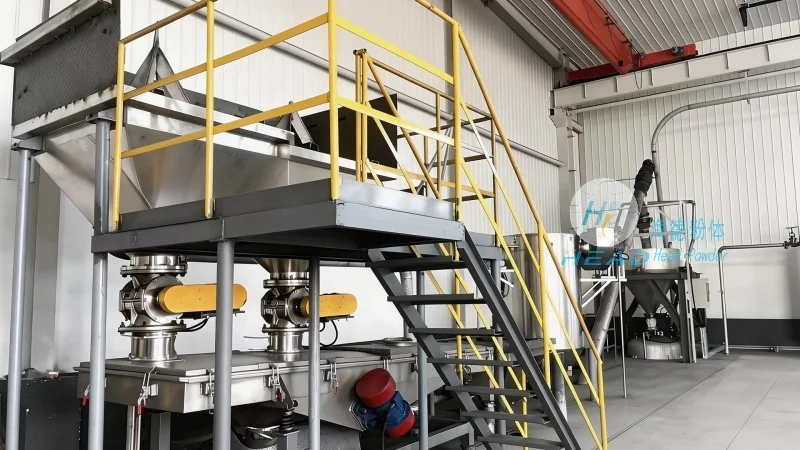
- Efficient Material Handling: The system enables the rapid and continuous transport of tri-metal powders, reducing manual handling and labor costs. It ensures a consistent flow of material to the processing equipment, minimizing downtime and improving overall production throughput.
- Reduced Contamination and Loss: By using sealed pipelines and advanced separation equipment, the system minimizes material contamination from dust, moisture, or other environmental factors. This helps maintain the purity of the tri-metal material, which is critical for the performance of lithium-ion batteries. The sealed system also reduces material loss, improving material utilization and reducing waste.
- Improved Safety and Environmental Compliance: The pneumatic conveying system operates under controlled conditions, reducing the risk of dust explosions or material exposure. The separation and filtration equipment ensures that the conveying air is clean and meets environmental regulations. This enhances workplace safety and compliance with industrial standards.
- Flexibility and Scalability: The system can be customized to meet the specific requirements of different production lines, including varying material types, flow rates, and conveying distances. It can be scaled up or down to accommodate changes in production volume, making it suitable for both small-scale and large-scale battery manufacturing operations.
Shandong HeadPowder Engineering Co., Ltd., a leading manufacturer of specialized engineering solutions, provides high-quality tri-metal material pneumatic conveying systems tailored to the needs of the battery industry. With years of experience in material handling technology, the company offers customized solutions that integrate advanced components and control systems to ensure optimal performance and reliability. The company's commitment to innovation and quality ensures that its products meet the stringent requirements of modern battery manufacturing processes, contributing to the efficiency and sustainability of the industry.

 Shandong Headpowder Engineering Co., Ltd.
 156-6277-7102(Manager Zhang)
  0531-83386006
  Zhangqiu District, Jinan City, Shandong Province, China