With more than 10‑year industry experience, Shandong Headpowder delivers full‑service pneumatic‑conveying systems and blowers, undertaking nationwide turn‑key powder‑handling projects.
Gypsum, a widely used industrial material, is often transported using pneumatic conveying systems. These systems offer efficient and reliable methods for moving gypsum from one location to another, ensuring minimal material loss and optimal operational performance. This article provides an in-depth analysis of gypsum pneumatic conveying systems, focusing on their design, functionality, and practical applications.

Gypsum, a calcium sulfate mineral, is a key component in construction materials such as drywall, plaster, and cement. The efficient transportation of gypsum is crucial for maintaining production efficiency and product quality. Pneumatic conveying systems utilize air or other gases to transport bulk materials like gypsum through pipelines. This method is particularly advantageous for handling fine powders and granular materials, as it minimizes the risk of material degradation and contamination.
Effective gypsum pneumatic conveying systems consist of several critical components that work in tandem to ensure smooth operation. The primary components include a material feeder, a conveying pipeline, a pressure vessel or receiver, and a control system. The material feeder, often a rotary valve or a screw feeder, regulates the flow of gypsum into the system. The conveying pipeline, typically made of stainless steel or other corrosion-resistant materials, transports the gypsum mixture. The pressure vessel or receiver collects the conveyed material and may include a dust collection system to ensure environmental compliance. The control system monitors and adjusts the air pressure, flow rate, and material feed rate to maintain optimal performance.
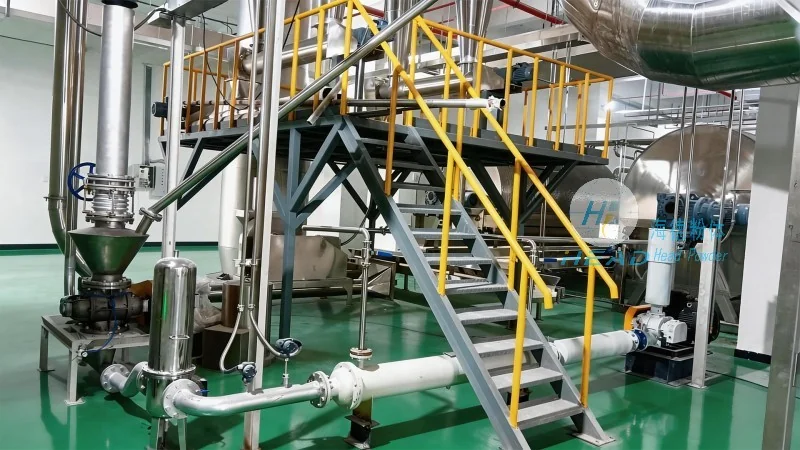
There are several types of pneumatic conveying systems used for gypsum transport, each with distinct characteristics and applications. The most common types include pressure systems, vacuum systems, and mixed systems. Pressure systems use compressed air to push the material through the pipeline, making them suitable for long-distance and high-volume transport. Vacuum systems, on the other hand, use suction to draw the material into the pipeline, ideal for short-distance and low-volume applications. Mixed systems combine both pressure and vacuum principles, offering flexibility for various operational requirements. The choice of system depends on factors such as the distance between the source and destination, the volume of material to be transported, and the specific properties of the gypsum being handled.
Gypsum pneumatic conveying systems offer numerous advantages over traditional methods like belt conveyors or truck transport. One of the primary benefits is the ability to transport materials in a closed system, which reduces dust emissions and improves workplace safety. This is particularly important for gypsum, which can be a respiratory irritant if inhaled in large quantities. Additionally, pneumatic systems provide better material containment, minimizing the risk of spillage and environmental contamination. The systems also offer higher efficiency and lower maintenance costs compared to mechanical conveyors, as they have fewer moving parts and require less regular maintenance. Furthermore, pneumatic conveying allows for precise control over material flow rates, ensuring consistent product quality and reducing waste.
Gypsum pneumatic conveying systems are widely used in various industries that rely on gypsum as a raw material. In the construction industry, these systems are used to transport gypsum from storage facilities to production lines, where it is processed into drywall and plaster products. The systems are also employed in the manufacturing of cement and other building materials, where gypsum is used as a setting retarder. In the agricultural sector, gypsum is used as a soil conditioner, and pneumatic conveying systems facilitate its distribution to farms and agricultural sites. Additionally, in the pharmaceutical and chemical industries, gypsum is used as a filler or binder, and pneumatic systems ensure its safe and efficient transport within production facilities.
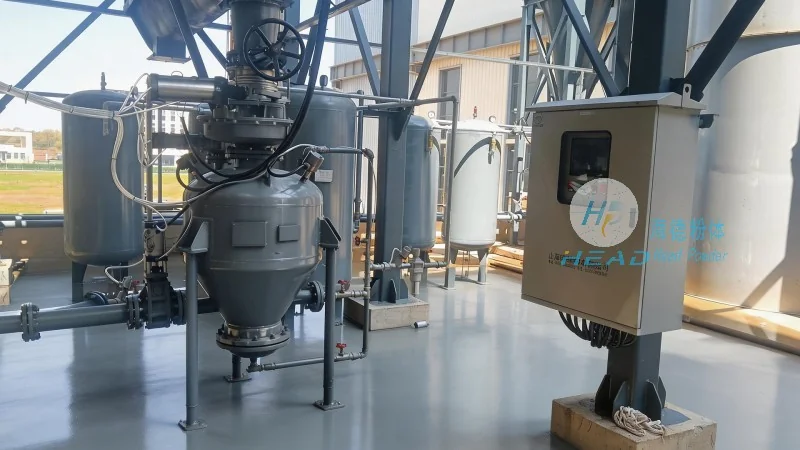
Successfully operating a gypsum pneumatic conveying system requires careful consideration of several factors. First, the system must be designed to handle the specific properties of gypsum, such as its particle size, moisture content, and flowability. Gypsum can be prone to caking or bridging in the pipeline, which can cause blockages and reduce system efficiency. Proper system design, including the use of appropriate material feeders and pipeline diameters, helps mitigate these issues. Second, the air pressure and flow rate must be optimized to ensure efficient material transport without causing excessive wear on system components. Regular maintenance, including cleaning of the pipeline and replacement of worn parts, is essential to maintain system performance and longevity. Finally, compliance with environmental regulations regarding dust emissions is critical, and many systems include dust collection and filtration systems to meet these requirements.
Gypsum pneumatic conveying systems represent a highly effective and efficient method for transporting this essential industrial material. By leveraging compressed air or vacuum to move gypsum through closed pipelines, these systems offer advantages such as improved safety, reduced contamination, and enhanced operational efficiency. The choice of system type and design depends on specific operational needs, but all systems are engineered to provide reliable and consistent performance. As the demand for gypsum continues to grow in construction and other industries, the importance of efficient conveying systems will only increase. Companies like Shandong HeadPowder Engineering Co., Ltd., with their expertise in pneumatic conveying technology, play a vital role in providing solutions that meet the evolving needs of the industry.

 Shandong Headpowder Engineering Co., Ltd.
 156-6277-7102(Manager Zhang)
  0531-83386006
  Zhangqiu District, Jinan City, Shandong Province, China
telephone
WeChatconsult
top