With more than 10‑year industry experience, Shandong Headpowder delivers full‑service pneumatic‑conveying systems and blowers, undertaking nationwide turn‑key powder‑handling projects.
Pneumatic conveying is a critical technology in the fertilizer industry, especially for handling bulk materials like potassium carbonate. This method involves transporting solid particles through a pipeline using air or gas as the conveying medium. For potassium carbonate fertilizer, the choice between positive pressure and negative pressure systems significantly impacts operational efficiency, material handling, and overall system performance. This article provides a detailed analysis of these two primary pneumatic conveying modes, focusing on their applications, advantages, and considerations for potassium carbonate fertilizer handling.
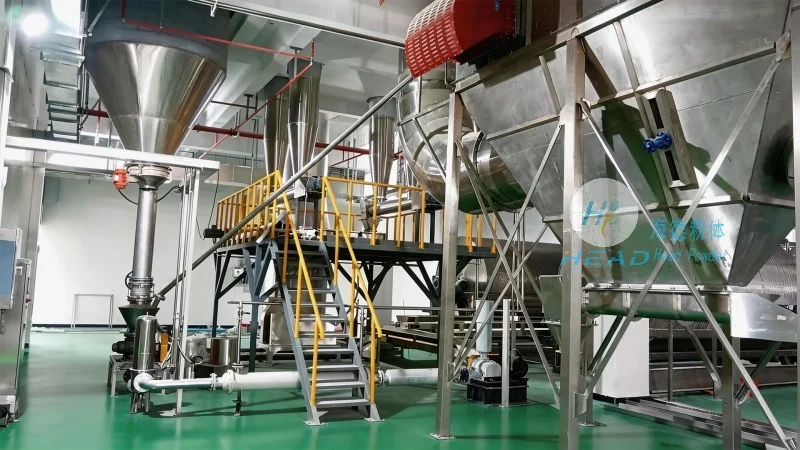
Positive pressure systems operate by generating air pressure within the conveying line, typically using a blower or positive displacement compressor. The air is forced through the pipeline, carrying the potassium carbonate particles from the source to the destination. This mode is particularly effective for long-distance or high-capacity conveying, as it can maintain consistent air flow and pressure to ensure reliable material transport. The positive pressure approach is also beneficial for handling abrasive or corrosive materials like potassium carbonate, as it minimizes material degradation by reducing friction and impact within the system. In applications involving potassium carbonate fertilizer, positive pressure systems are often preferred for their ability to handle large volumes and maintain a stable flow rate, which is essential for continuous production processes.
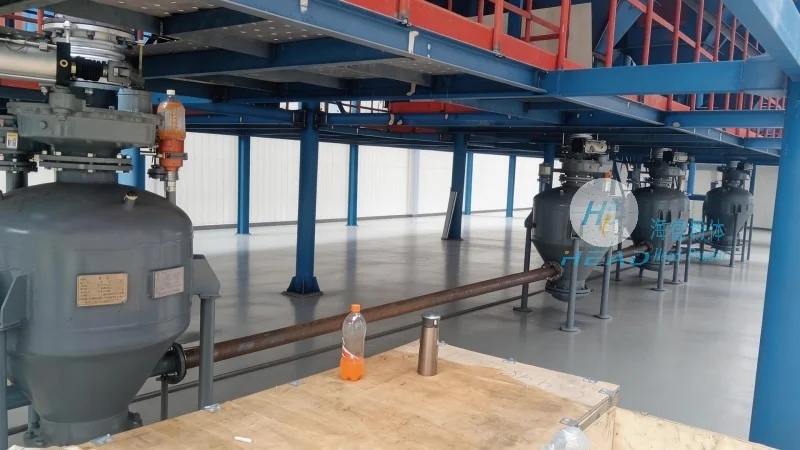
Negative pressure systems, also known as vacuum conveying, operate by creating a vacuum in the receiving end of the pipeline. The vacuum draws the potassium carbonate particles from the source into the conveying line, where air is then drawn through the system to transport the material. This mode is well-suited for short-distance conveying or when the material needs to be transferred from a higher elevation to a lower one. Negative pressure systems are generally more energy-efficient for short runs, as they require less power to maintain the vacuum compared to the continuous pressure needed in positive pressure systems. However, they may face challenges with material clogging or blockages, especially with fine or cohesive potassium carbonate particles, which can lead to reduced system efficiency and increased maintenance needs. For potassium carbonate fertilizer, negative pressure systems are often used in applications where the conveying distance is limited, and the material is less prone to bridging or clogging.
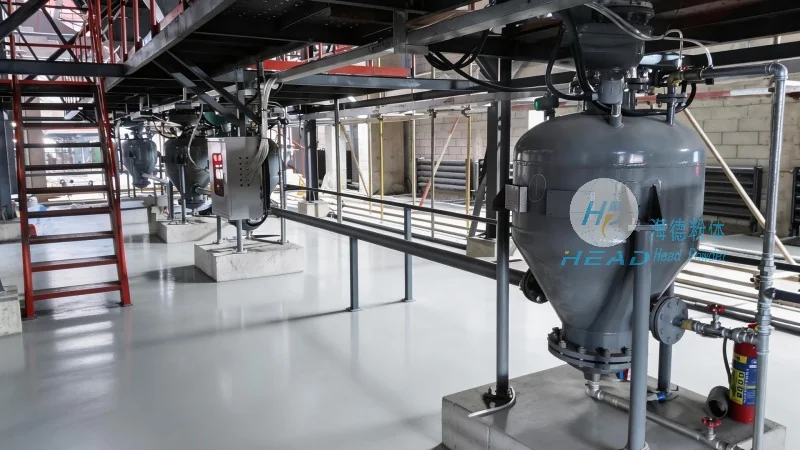
When selecting between positive and negative pressure pneumatic conveying systems for potassium carbonate fertilizer, several factors must be considered. The primary difference lies in the energy consumption and operational complexity. Positive pressure systems typically consume more energy due to the continuous pressure generation, but they offer greater flexibility in terms of conveying distance and material handling. Negative pressure systems are more energy-efficient for short distances but may require additional equipment, such as cyclones or filters, to manage the air flow and prevent material loss. Another key consideration is the material's physical properties. Potassium carbonate, being a fine, abrasive powder, may experience more wear and tear in positive pressure systems due to higher air velocities, whereas negative pressure systems may be more susceptible to clogging if the material has cohesive tendencies. The choice of system also depends on the specific application requirements, including the scale of production, the distance between the source and destination, and the desired level of automation. For instance, large-scale fertilizer plants may opt for positive pressure systems to handle high volumes efficiently, while smaller operations might find negative pressure systems more suitable due to their lower initial investment and simpler setup.
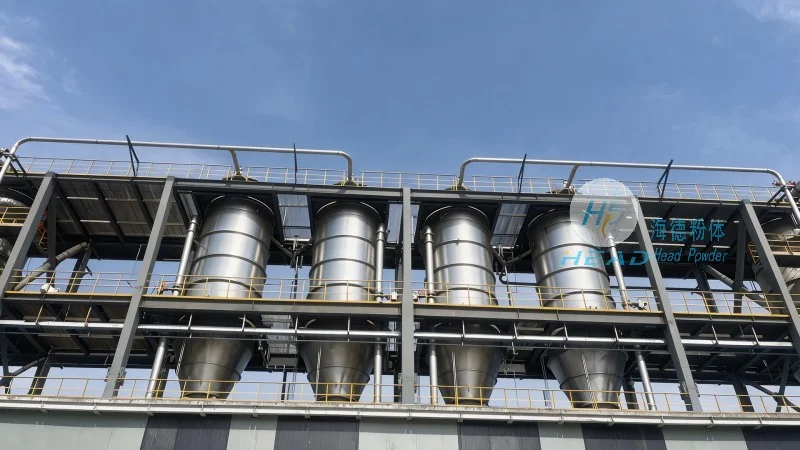
Implementing an effective pneumatic conveying system for potassium carbonate fertilizer requires careful planning and consideration of several technical and operational factors. First, the material's flow properties, such as bulk density, angle of repose, and cohesive strength, must be thoroughly evaluated. These properties determine the appropriate air velocity and pressure required to prevent material bridging or clogging in the pipeline. For potassium carbonate, which is a fine powder with moderate cohesive tendencies, maintaining an optimal air-to-solid ratio is crucial to ensure smooth transport. Second, the system's design must account for the material's abrasiveness and potential for corrosion. Positive pressure systems may require more robust components, such as high-quality metal pipes and wear-resistant liners, to withstand the abrasive nature of potassium carbonate. Conversely, negative pressure systems may need additional filtration and cleaning mechanisms to prevent material buildup in the vacuum pump and other components. Third, the system's integration with existing production processes is critical. The conveying system must be compatible with the fertilizer production line, including storage, mixing, and packaging equipment. This integration ensures seamless material flow from the production stage to the final product, minimizing downtime and maximizing operational efficiency. Additionally, the system's maintenance and operational costs must be considered. Regular maintenance, such as cleaning filters and inspecting pipelines, is essential to prevent system failures and ensure consistent performance. The choice of system also impacts long-term operational costs, with positive pressure systems generally having higher energy costs but lower maintenance requirements compared to negative pressure systems.

 Shandong Headpowder Engineering Co., Ltd.
 156-6277-7102(Manager Zhang)
  0531-83386006
  Zhangqiu District, Jinan City, Shandong Province, China
telephone
WeChatconsult
top