

Pneumatic Conveying Technology for Monosodium Glutamate: Positive Pressure vs. Negative Pressure Mod
HeadPowder, a leading engineering company based in Shandong, China, specializes in the design and implementation of advanced pneumatic conveying systems tailored for the monosodium glutamate (MSG) industry. Pneumatic conveying is a critical process in the handling and transportation of powdered materials like MSG, offering efficient, dust-free, and automated solutions compared to traditional methods such as bucket elevators or belt conveyors. This article provides a detailed analysis of the two primary pneumatic conveying modes—positive pressure and negative pressure—exploring their technical characteristics, operational advantages, and practical applications in the MSG processing sector.
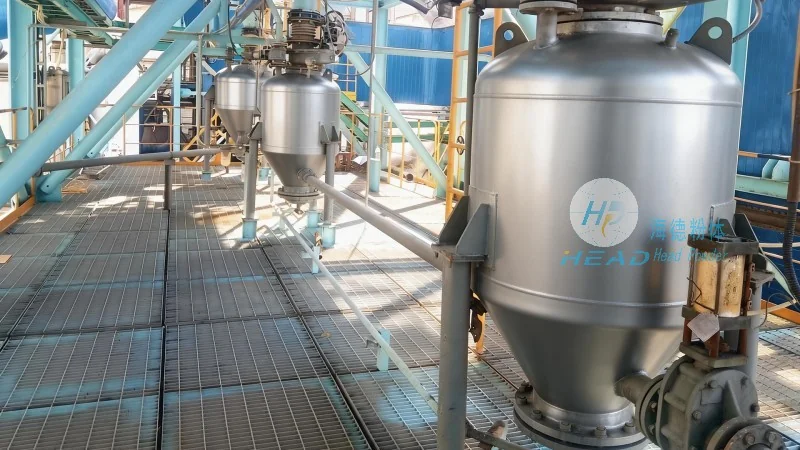
Positive Pressure Pneumatic Conveying Systems
Positive pressure systems operate by blowing air or a carrier gas into the conveying line, creating a pressure higher than the ambient air pressure. This method is commonly used for transporting MSG from storage silos to processing equipment or packaging lines. The primary advantage of positive pressure systems is their ability to handle long distances and multiple transfer points without significant pressure loss. They are particularly effective for conveying materials with high moisture content or those that are prone to caking, as the pressurized air helps maintain material flow and prevents blockages. HeadPowder’s positive pressure systems are engineered with robust air compressors and high-quality stainless steel piping to ensure durability and compliance with food safety standards. The company’s expertise in material flow dynamics allows for the optimization of air velocity and pressure, maximizing efficiency while minimizing energy consumption. For MSG manufacturers, positive pressure systems offer a reliable solution for bulk material handling, supporting continuous production and reducing downtime caused by equipment failures.
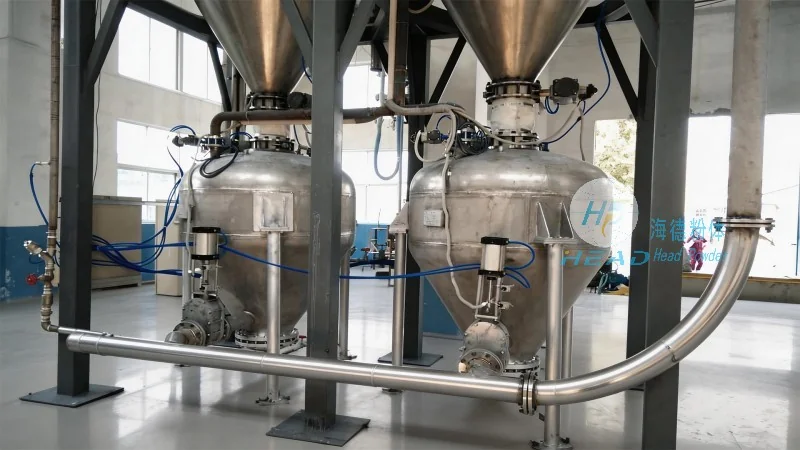
Negative Pressure Pneumatic Conveying Systems
Negative pressure systems, on the other hand, work by creating a vacuum in the conveying line, drawing material from the source into the system. This mode is often preferred for applications where the material needs to be transported from a processing area back to a storage silo or for conveying materials that are sensitive to pressure changes. The key benefit of negative pressure systems is their ability to handle materials with high dust generation, as the vacuum helps contain and collect fine particles, reducing environmental contamination. HeadPowder’s negative pressure systems incorporate advanced filtration and dust collection mechanisms to ensure compliance with environmental regulations. These systems are typically more suitable for shorter conveying distances and are often used in closed-loop applications where material is returned to the source. The company’s design incorporates high-efficiency cyclones and filters to maintain air quality and prevent dust emissions. For MSG processing facilities, negative pressure systems provide a clean and safe method for handling powders, minimizing the risk of product contamination and ensuring worker safety.
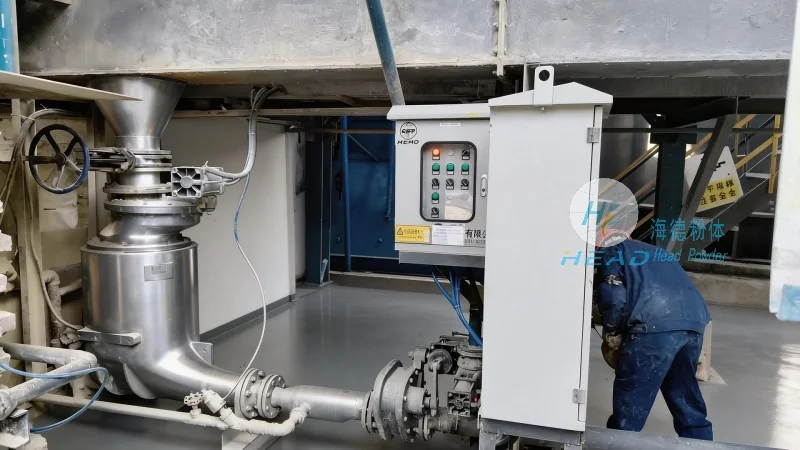
Comparison of Positive and Negative Pressure Modes
When selecting between positive and negative pressure pneumatic conveying systems for MSG handling, several factors must be considered. The primary difference lies in the direction of air flow and the resulting pressure differential. Positive pressure systems push material forward, making them ideal for long-distance transport and multiple transfer points, while negative pressure systems pull material, which is better suited for short distances and closed-loop systems. From an operational perspective, positive pressure systems generally require higher energy input due to the need to maintain pressure, whereas negative pressure systems consume less energy but may generate more noise and require robust filtration. HeadPowder’s engineers evaluate the specific requirements of each MSG facility, including material characteristics, conveying distance, and environmental regulations, to recommend the most appropriate system. For instance, a large-scale MSG plant with multiple storage silos and processing lines may benefit from a combination of both positive and negative pressure systems, with positive pressure used for bulk transport and negative pressure for material return. The company’s customized solutions ensure that the chosen mode aligns with the plant’s production capacity and operational efficiency goals.
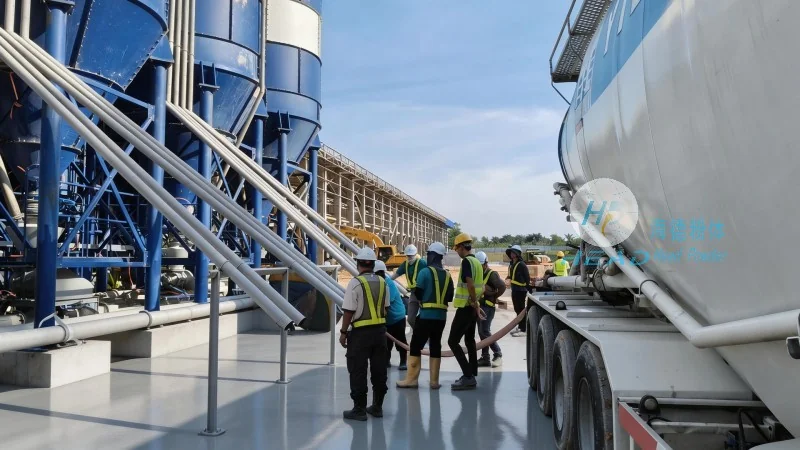
HeadPowder: Expertise in Pneumatic Conveying for MSG
As a reputable engineering firm based in Shandong, China, HeadPowder Engineering Co., Ltd. has established itself as a trusted provider of pneumatic conveying solutions for the MSG industry. The company’s team of experienced engineers and technicians brings decades of expertise in material handling and process optimization, ensuring that each system is tailored to meet the unique needs of its clients. HeadPowder’s commitment to quality is reflected in its use of high-grade materials, such as stainless steel and food-grade components, which are essential for maintaining the purity and safety of MSG products. The company also adheres to international standards, including ISO and GMP, to ensure that its systems comply with regulatory requirements. For MSG manufacturers, partnering with HeadPowder means gaining access to reliable, efficient, and cost-effective pneumatic conveying solutions that enhance production efficiency and reduce operational costs. The company’s comprehensive service includes system design, installation, commissioning, and ongoing maintenance, providing a complete solution for all material handling needs.