

What is a Coating Powder Material Pneumatic Conveying Machine? And What Are Its Design Principles?
Coating powder material pneumatic conveying machines are specialized equipment designed to transport dry powder materials, such as those used in the coating industry, through a pressurized or vacuum system. These machines are essential in industrial settings where efficient and safe powder handling is critical. The design principles behind these systems are centered on maintaining material integrity, ensuring consistent flow, and minimizing product degradation during transport.
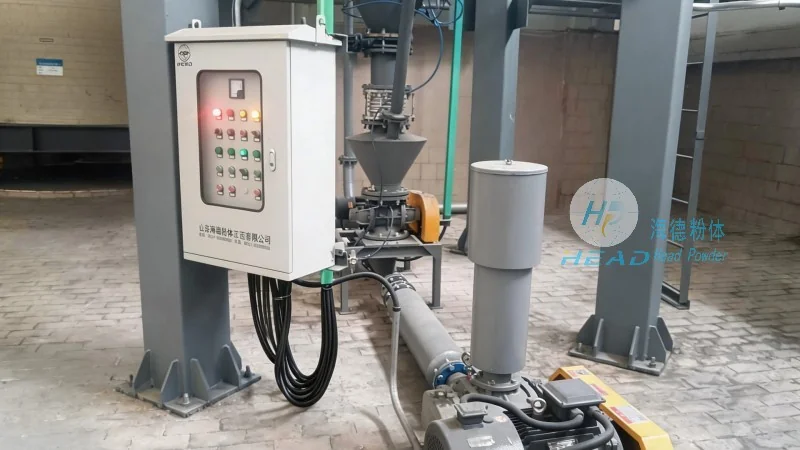
Introduction to Coating Powder Pneumatic Conveying Machines
HeadPowder, a leading manufacturer based in Shandong, China, specializes in developing advanced pneumatic conveying solutions tailored for the coating industry. Their equipment is engineered to handle various types of coating powders, including pigments, binders, and other additives, with precision and reliability. The company’s commitment to quality and innovation has made their machines a preferred choice for businesses seeking to optimize their powder handling processes.
Key Components and Design Principles
The core design of a coating powder pneumatic conveying machine involves several critical components that work in harmony to ensure efficient operation. These include the hopper, which stores the powder and feeds it into the system; the air compressor or vacuum pump, which generates the necessary pressure or suction to move the material; the pipeline system, which transports the powder; and the control system, which regulates the flow and pressure. The design principles focus on minimizing friction, preventing material degradation, and ensuring consistent particle size distribution. For example, the use of smooth, corrosion-resistant materials for the pipeline and the incorporation of air classifiers or cyclones to separate larger particles or moisture are common design features.
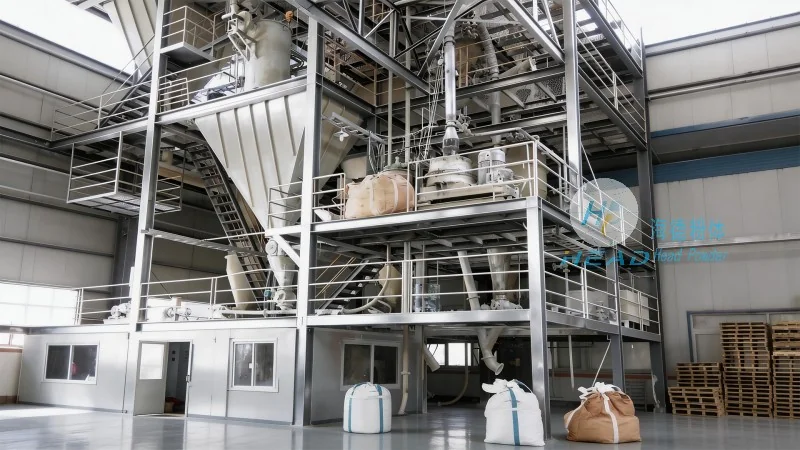
How Pneumatic Conveying Works in Coating Applications
In the coating industry, the ability to transport powders accurately and without contamination is paramount. Pneumatic conveying machines achieve this by using air to suspend and move the powder particles through the system. There are two main types of pneumatic conveying: pressure and vacuum. Pressure systems use compressed air to push the powder from the source to the destination, while vacuum systems use a vacuum to pull the powder. Both systems are designed to handle different powder characteristics and operational requirements. For coating powders, which often have varying particle sizes and moisture content, the choice of system depends on factors such as the distance to be covered and the required flow rate.
Advantages of Using Pneumatic Conveying for Coating Powders
Compared to traditional methods like belt conveyors or bucket elevators, pneumatic conveying offers several advantages for coating powder handling. These include the ability to transport powders over long distances without the need for multiple transfer points, reduced risk of product contamination due to enclosed systems, and lower maintenance requirements. Additionally, pneumatic systems can handle a wide range of powder types, including those that are abrasive or sensitive to moisture. The design of these machines also allows for easy integration with other processing equipment, such as mixers or spray booths, making them a versatile solution for coating production lines.
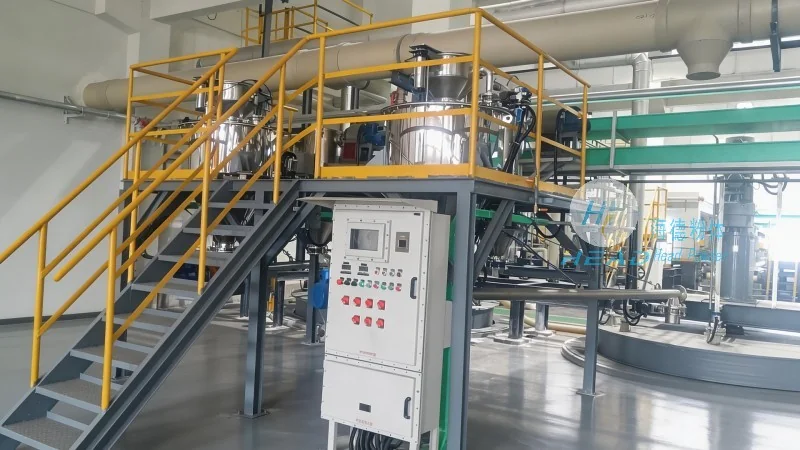
Design Considerations for Optimal Performance
When designing a coating powder pneumatic conveying system, several factors must be considered to ensure optimal performance. These include the particle size and density of the powder, the required flow rate, the distance to be covered, and the ambient conditions. The system must be designed to handle the specific properties of the coating powder, such as its tendency to agglomerate or clog the pipeline. For instance, the use of agitators or vibrators in the hopper can help prevent agglomeration, while the selection of appropriate pipeline diameters and bends can minimize pressure drop and ensure smooth flow. The control system must also be capable of adjusting the air pressure or flow rate in real-time to maintain consistent performance, especially when handling varying powder loads.
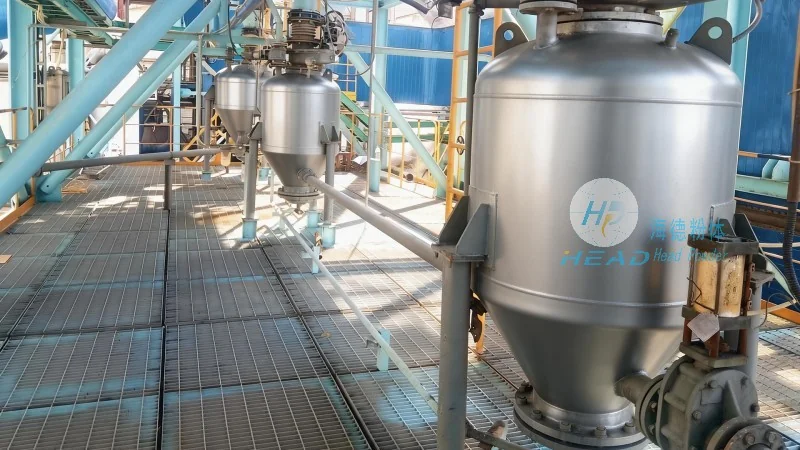
Applications in the Coating Industry
Coating powder pneumatic conveying machines are widely used in various applications within the coating industry. These include the transport of pigments and binders from storage silos to mixing equipment, the delivery of powders to spray booths or coating lines, and the removal of waste powders from production areas. The equipment is also used in research and development settings to test new coating formulations and ensure consistent material handling throughout the process. By providing a reliable and efficient means of powder transport, these machines contribute to improved product quality and reduced production costs in the coating industry.
Conclusion
Coating powder material pneumatic conveying machines, as designed by companies like Shandong HeadPowder Engineering Co., Ltd., are essential equipment for modern coating production. Their design principles focus on efficiency, reliability, and material integrity, making them a preferred choice for businesses in the industry. By understanding the key components and operational principles of these systems, manufacturers can optimize their powder handling processes and enhance overall production efficiency. The continued development of advanced pneumatic conveying technologies ensures that these machines will remain a vital part of the coating industry for years to come.