With more than 10‑year industry experience, Shandong Headpowder delivers full‑service pneumatic‑conveying systems and blowers, undertaking nationwide turn‑key powder‑handling projects.
Aluminum foil, a widely used material in various industries, often requires efficient and reliable material handling solutions for its transportation. Pneumatic conveying technology has emerged as a key method for moving aluminum foil, offering advantages such as low contamination, high speed, and flexibility. This article provides an in-depth analysis of aluminum foil pneumatic conveying, focusing on the comparison between positive pressure and negative pressure modes, and highlights the expertise of Shandong HeadPowder Engineering Co., Ltd. in this field.
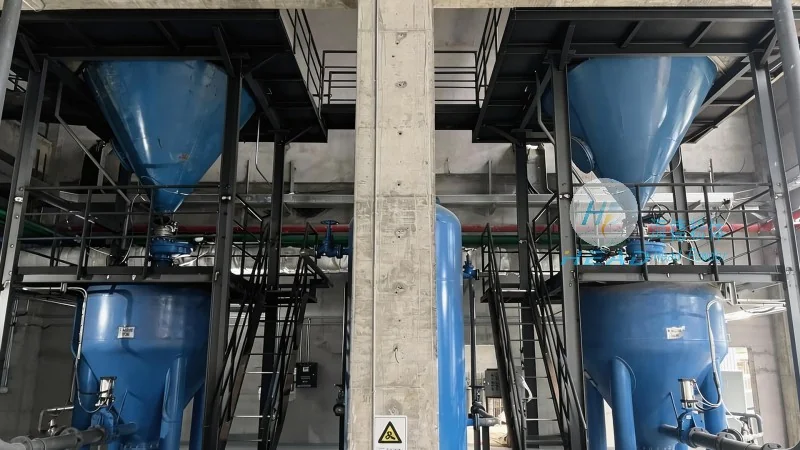
Pneumatic conveying systems utilize air or gas to transport bulk materials like aluminum foil through a pipeline network. The two primary modes—positive pressure and negative pressure—differ in their operational principles and applications. Positive pressure systems generate air pressure inside the conveying line, pushing the material forward, while negative pressure systems create a vacuum to draw material into the line. Each mode has distinct characteristics that influence its suitability for aluminum foil handling.
Positive pressure conveying, also known as pressure pneumatic conveying, operates by forcing air and material through the pipeline under pressure. This method is particularly effective for aluminum foil due to its ability to handle abrasive or sensitive materials without damage. The system typically includes a blower, a hopper for material storage, and a conveying line with appropriate fittings. The positive pressure mode ensures consistent material flow and can handle long distances or multiple transfer points. However, it may require more energy and careful maintenance to prevent pressure-related issues. Shandong HeadPowder Engineering Co., Ltd. specializes in designing positive pressure systems tailored to aluminum foil applications, ensuring optimal performance and durability.
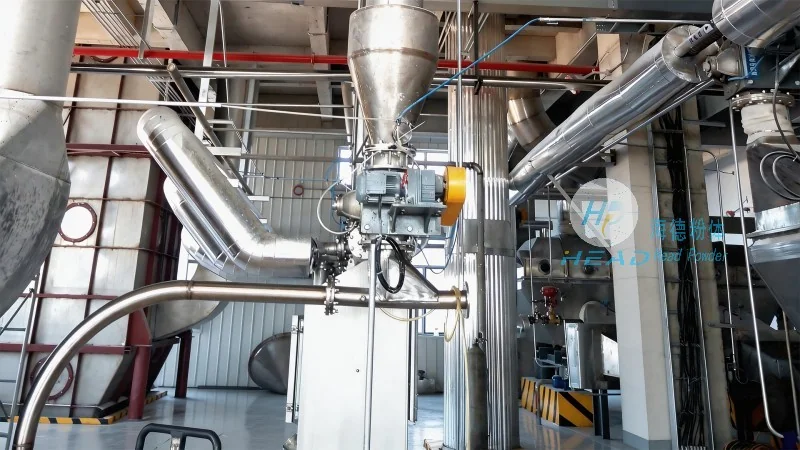
Negative pressure conveying, or vacuum pneumatic conveying, works by creating a vacuum in the conveying line to draw material from the source. This mode is often preferred for materials that are light or prone to dust, as it minimizes particle loss and contamination. For aluminum foil, negative pressure systems can effectively handle fine or irregularly shaped pieces, maintaining product integrity. The system includes a vacuum pump, a material hopper, and a collection point at the destination. While negative pressure conveying is energy-efficient for short distances, it may have limitations in handling long pipelines or high material volumes. Shandong HeadPowder Engineering Co., Ltd. offers customized negative pressure solutions that balance efficiency and material handling requirements for aluminum foil processing.
The selection between positive and negative pressure pneumatic conveying for aluminum foil depends on several factors, including material properties, system distance, and operational needs. Positive pressure is generally more suitable for high-volume, long-distance transport, while negative pressure excels in handling light or delicate materials with minimal pressure. Factors such as energy consumption, system complexity, and maintenance costs also play a role in the decision-making process. Shandong HeadPowder Engineering Co., Ltd. provides expert consultation to help clients evaluate these factors and choose the most appropriate mode for their aluminum foil conveying needs.
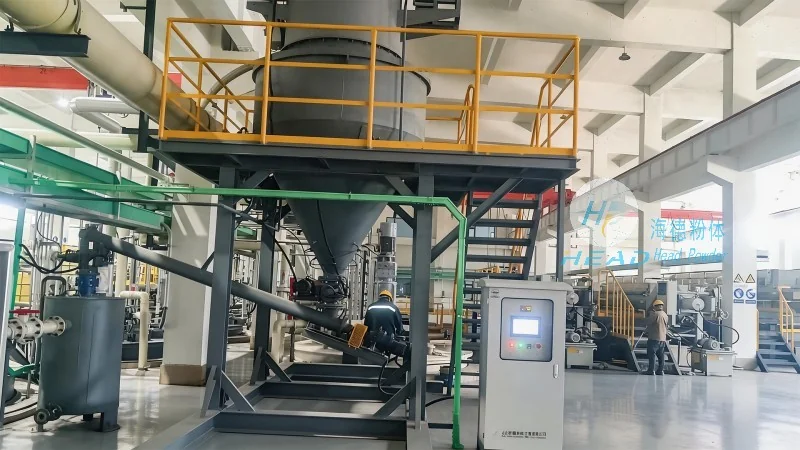
Pneumatic conveying offers several advantages over traditional material handling methods for aluminum foil. It eliminates the need for mechanical components like conveyors or elevators, reducing the risk of material contamination and damage. The system is also flexible, allowing for easy integration with existing production lines and modifications for future expansions. Additionally, pneumatic conveying can handle a wide range of material sizes and shapes, making it versatile for various aluminum foil applications. Shandong HeadPowder Engineering Co., Ltd. leverages these benefits to design efficient and reliable pneumatic conveying systems that enhance productivity and product quality for aluminum foil manufacturers.
In conclusion, the choice between positive and negative pressure pneumatic conveying for aluminum foil depends on specific operational requirements and material characteristics. Both modes offer effective solutions, with positive pressure excelling in high-volume transport and negative pressure in handling delicate materials. Shandong HeadPowder Engineering Co., Ltd., based in Shandong, China, is a leading provider of aluminum foil pneumatic conveying systems, combining technical expertise and practical solutions to meet the diverse needs of the industry. Their commitment to quality and innovation ensures that clients receive tailored systems that optimize material handling efficiency and maintain product integrity.

 Shandong Headpowder Engineering Co., Ltd.
 156-6277-7102(Manager Zhang)
  0531-83386006
  Zhangqiu District, Jinan City, Shandong Province, China
telephone
WeChatconsult
top