

What is a dry manure material pneumatic conveyor? What are its design principles?
Understanding the dry manure material pneumatic conveyor is essential for those in the agricultural and waste management sectors who seek efficient and hygienic solutions for handling bulk materials. This equipment, commonly used in farms and processing facilities, is designed to transport dry manure and similar organic materials through an air-driven system. The core of this technology lies in the pneumatic transport mechanism, which uses air pressure to move materials without direct contact with mechanical components, ensuring a clean and efficient process.
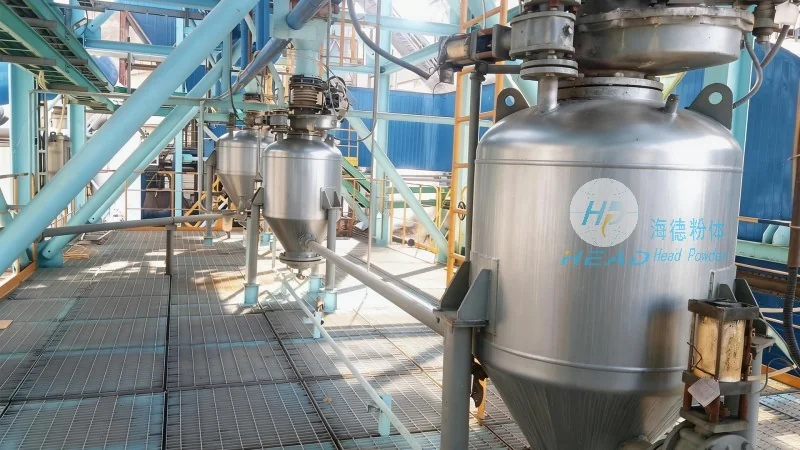
Introduction to Dry Manure Material Pneumatic Conveyors
A dry manure material pneumatic conveyor is a specialized piece of equipment engineered to transport dry manure and other organic bulk materials from one location to another. Unlike traditional methods that rely on gravity or mechanical conveyors, this system utilizes compressed air to create a flow of material through a pipeline. The primary advantage of this approach is the ability to handle materials in a hygienic and dust-free environment, which is crucial for maintaining sanitation standards in agricultural operations and processing plants.
Design Principles of Pneumatic Conveying Systems
The design of a dry manure material pneumatic conveyor is based on fundamental principles of fluid dynamics and material handling. The system typically consists of a blower or compressor that generates the necessary air pressure, a hopper or feeding mechanism to introduce the dry manure into the system, and a pipeline network that transports the material to the discharge point. The key components and their functions are critical to the overall efficiency and effectiveness of the conveyor.
Key Components and Their Functions
Several critical components make up a dry manure material pneumatic conveyor. The blower or compressor is the heart of the system, providing the air pressure needed to move the material. It is usually selected based on the volume of material to be transported and the length of the pipeline. The hopper or feeding device is responsible for introducing the dry manure into the pipeline, ensuring a consistent flow. The pipeline itself is typically made of durable materials like stainless steel or PVC to withstand the abrasive nature of manure and the pressure of the air system. Additionally, the system may include valves, filters, and cyclones to control the flow and separate any air from the material at the discharge point.
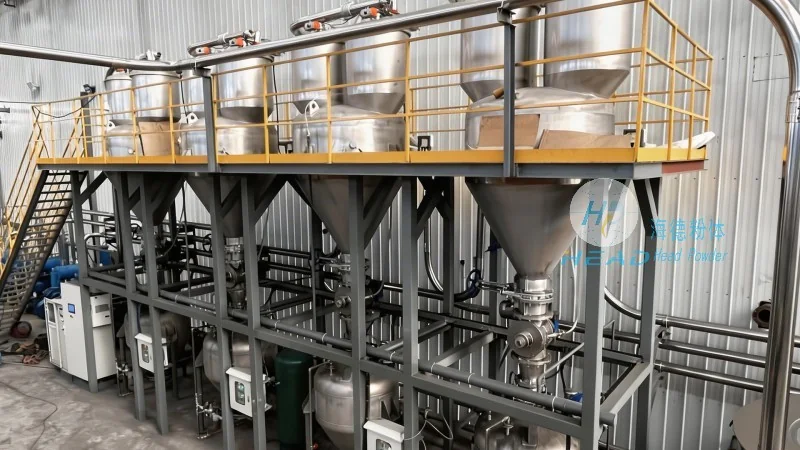
How the Pneumatic Transport Process Works
The operation of a dry manure material pneumatic conveyor involves several steps. First, the dry manure is fed into the hopper. The blower then generates a flow of air, which is introduced into the pipeline at the inlet. As the air moves through the pipeline, it carries the dry manure particles along with it. The velocity of the air is carefully controlled to ensure that the material is transported without clogging the system. At the discharge point, a cyclone or other separation device is used to separate the material from the air, allowing the clean air to be exhausted and the dry manure to be collected in a designated container.
Advantages of Using Dry Manure Material Pneumatic Conveyors
There are several advantages to using a dry manure material pneumatic conveyor in agricultural and waste management applications. One of the most significant benefits is the hygienic nature of the system, as it prevents direct contact between the material and mechanical parts, reducing the risk of contamination. Additionally, the system is highly efficient, as it can transport large volumes of material over long distances with minimal labor. The ability to handle dry manure without the need for water or other additives also makes it an environmentally friendly option. Furthermore, the system is relatively low maintenance compared to traditional conveyors, as there are fewer moving parts that can wear out.
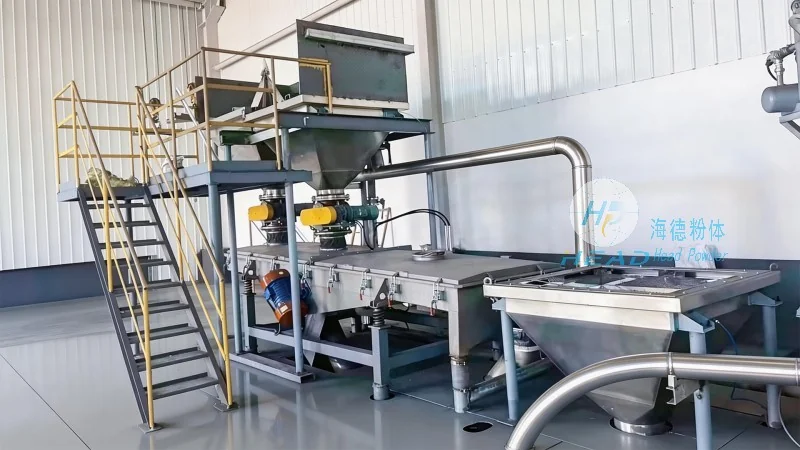
Applications and Industries
Dry manure material pneumatic conveyors are widely used in various industries, particularly in agriculture and animal husbandry. They are commonly employed in dairy farms, pig farms, and other livestock operations to transport manure from barns to storage facilities or processing plants. The system is also used in composting facilities to move dry manure to the composting beds. Additionally, it can be used in waste management facilities to transport organic waste from collection sites to processing centers.
Considerations for Selecting a Dry Manure Material Pneumatic Conveyor
When selecting a dry manure material pneumatic conveyor, several factors must be considered to ensure the system meets the specific needs of the application. The first consideration is the volume of material to be transported, as this will determine the size and capacity of the blower and pipeline. The length of the pipeline and the number of turns or bends will also affect the system's performance, as these can increase the pressure drop and reduce the efficiency of the conveyor. The type of material being transported is another critical factor, as different materials have different flow characteristics and may require different system designs. Finally, the budget and maintenance requirements of the system should be considered to ensure it is a cost-effective solution in the long term.
Conclusion
In conclusion, a dry manure material pneumatic conveyor is a highly efficient and hygienic solution for transporting dry manure and other organic bulk materials. The design principles of this system, which rely on pneumatic transport, offer several advantages over traditional methods, including improved sanitation, increased efficiency, and reduced maintenance. By understanding the key components and operation of this equipment, users can make informed decisions about selecting the right system for their specific needs. As the demand for sustainable and efficient waste management solutions continues to grow, the use of dry manure material pneumatic conveyors is likely to become increasingly important in the agricultural and waste management industries.