

What is a Pneumatic Conveying System for Spices and Powders? Understanding Its Design Principles
For industries dealing with spices, powders, and other fine particulate materials, efficient material handling is crucial. A pneumatic conveying system offers a solution that combines precision, hygiene, and flexibility. This article explores what a spices and powders pneumatic conveying system is and delves into its core design principles, highlighting the technology's role in modern processing operations.
What is a Pneumatic Conveying System?
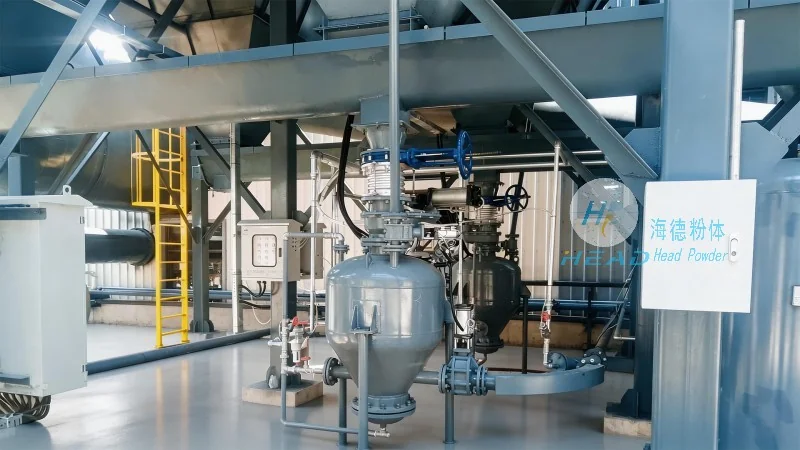
A pneumatic conveying system is a method of transporting bulk materials through a pipeline using air or gas as the conveying medium. Unlike traditional mechanical conveyors, which rely on belts or screws, pneumatic systems use pressure differentials to move materials. This technology is particularly well-suited for delicate, hygroscopic, or abrasive materials like spices, where maintaining product integrity is paramount. The system typically consists of a hopper for material storage, a feeder to control the flow rate, a conveying line, and a receiver for the discharged material. The entire setup operates under controlled pressure, ensuring that the material is moved without degradation or contamination.
Key Design Principles of Pneumatic Conveying Systems
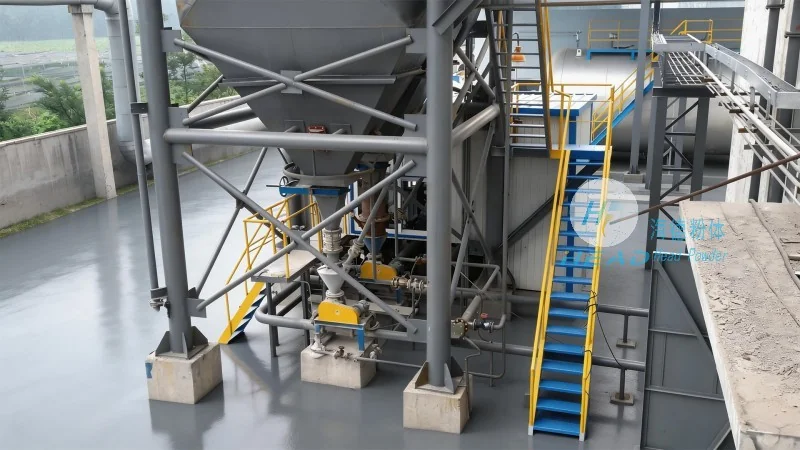
The design of a pneumatic conveying system for spices and powders is governed by several critical principles to ensure optimal performance and product quality. First, the system must maintain a consistent air flow rate to prevent material bridging or clogging in the hopper and feeder. This is achieved through precise control of the air pressure and flow, often using variable frequency drives (VFDs) and pressure sensors. Second, the conveying line must be constructed from materials that are non-reactive and easy to clean, such as stainless steel, to meet food-grade standards. The line's diameter and length are carefully calculated to minimize pressure drop and energy consumption, as excessive pressure loss can lead to reduced conveying capacity or material deposition.
Components and Their Functions
Each component of a pneumatic conveying system plays a vital role in the overall operation. The hopper, typically made of stainless steel, stores the raw material and provides a uniform feed to the system. It often includes a discharge valve to regulate the material flow. The feeder, such as a rotary valve or a screw feeder, controls the rate at which material enters the conveying line, ensuring a steady stream of particles. The conveying line itself is usually a flexible or rigid pipe, depending on the application, and is connected to a blower or compressor that generates the necessary air pressure. The receiver, located at the end of the line, collects the conveyed material and may include a filter to remove any residual dust or particles. Additionally, the system may incorporate a dust collection system to maintain air quality and comply with environmental regulations.
Advantages of Pneumatic Conveying for Spices and Powders
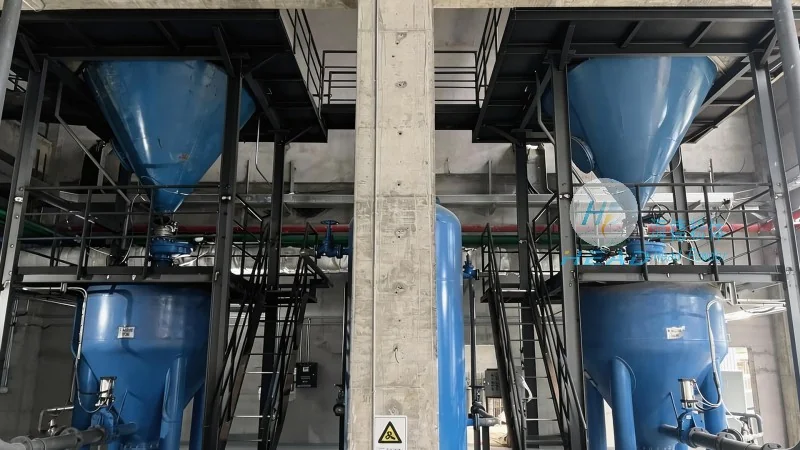
Implementing a pneumatic conveying system for spices and powders offers numerous advantages over traditional methods. One of the primary benefits is the ability to maintain product hygiene and prevent cross-contamination, which is essential in food processing. The enclosed system eliminates the risk of dust exposure and ensures that the material remains clean throughout the process. Another advantage is the flexibility of the system, as it can be easily reconfigured to handle different materials or process changes. The system also reduces labor costs by automating material handling and minimizing the need for manual intervention. Furthermore, pneumatic conveying systems are energy-efficient compared to mechanical conveyors, as they use less power to move materials over longer distances. This makes them a cost-effective solution for large-scale spice and powder processing operations.
Applications in the Spice and Powder Industry
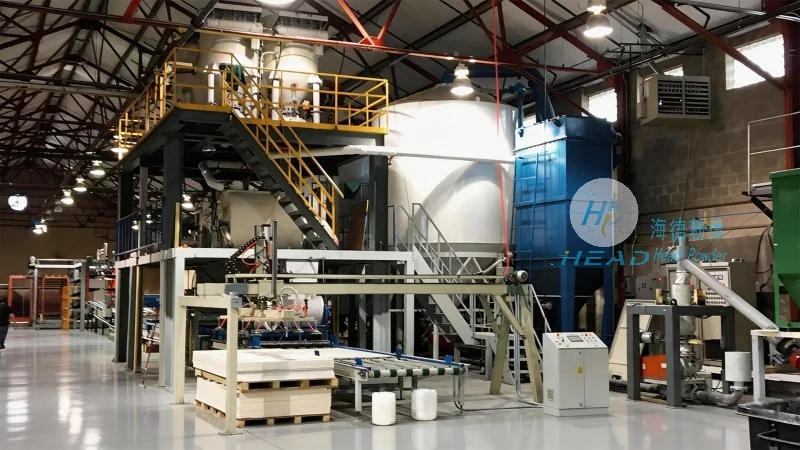
Pneumatic conveying systems are widely used in various applications within the spice and powder industry. For example, in spice processing plants, they are used to transport ground spices from storage silos to packaging lines. In pharmaceutical and food manufacturing, they convey ingredients like powdered vitamins, flavorings, and colorants with precision. The system's ability to handle fine, abrasive materials without causing wear and tear on equipment makes it ideal for these applications. Additionally, in the chemical industry, pneumatic conveying is used to transport powders like pigments and polymers, where maintaining product purity is critical. The versatility of the system allows it to adapt to different production scales, from small-scale batch processing to large-scale continuous operations.
Customization and Scalability
Shandong HeadPowder Engineering Co., Ltd., a leading manufacturer of pneumatic conveying systems, specializes in customizing solutions to meet the specific needs of their clients. The company, often referred to as HeadPowder, offers a range of standard and custom-designed systems that can be tailored to handle various materials, flow rates, and distances. Their expertise in material science and engineering ensures that the systems are optimized for performance and durability. The company's products are designed to comply with international food safety standards, such as FDA and HACCP, making them suitable for use in the food and pharmaceutical industries. Moreover, HeadPowder provides comprehensive after-sales support, including installation, maintenance, and technical assistance, to ensure that the systems operate efficiently throughout their service life.