

What is a Graphite Material Pneumatic Conveying Machine? And What Are Its Design Principles?
For industries dealing with graphite materials, selecting the right conveying equipment is crucial for efficiency and safety. A graphite material pneumatic conveying machine, also known as a pneumatic conveyor, is a system designed to transport dry bulk materials like graphite through a pipeline using air or gas. This technology offers a dust-free, continuous, and often flexible method of material handling, making it ideal for applications where traditional methods like belt conveyors or bucket elevators may not be suitable. The design of such a machine involves several key components and principles that ensure effective and reliable operation.
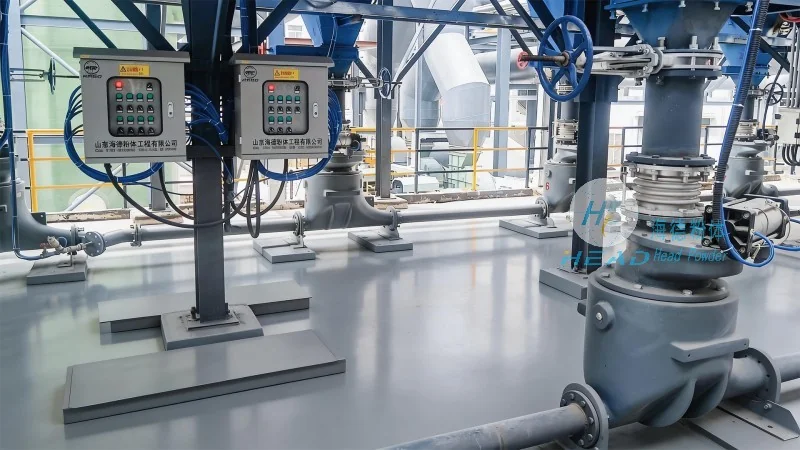
Key Components of a Graphite Material Pneumatic Conveying System
The core components of a graphite material pneumatic conveying machine typically include a hopper for material storage, a feeder to control the flow rate, a conveying line (pipeline) where the material is transported, a vacuum or pressure source to move the material, and a receiver for the discharged material. Each component plays a vital role in the overall performance of the system. The hopper must be designed to accommodate the bulk density and flow characteristics of graphite, which can vary depending on the specific grade and form (e.g., powder, flake, or granules). The feeder, often a rotary valve or a metering device, ensures a consistent feed rate, preventing blockages and maintaining system efficiency. The conveying line is usually made of materials resistant to graphite's chemical properties, such as stainless steel or specialized plastics, to avoid corrosion or material buildup. The vacuum or pressure source, which can be a blower or a compressor, provides the necessary force to move the material through the pipeline. Finally, the receiver is designed to collect the conveyed graphite, often with features to prevent dust emissions and ensure material containment.
Design Principles for Efficient Graphite Material Conveying
The design principles of a graphite material pneumatic conveying machine are centered around maximizing efficiency, minimizing material degradation, and ensuring system reliability. One of the primary design considerations is the air-to-material ratio, which is the ratio of the volume of air to the volume of material being conveyed. This ratio is critical because it determines the velocity of the material in the pipeline and affects the risk of material degradation or blockages. For graphite, a lower air-to-material ratio is often preferred to maintain material integrity, as graphite is a brittle material that can break down under high velocities. The pipeline design, including the diameter and length, also impacts the system's performance. Larger diameters reduce friction losses and improve flow, while longer pipelines may require additional boosters or larger air volumes to maintain material transport. The system's pressure or vacuum level is another key design factor. For pressure systems, the pressure must be sufficient to overcome friction losses and lift the material to the desired height. For vacuum systems, the vacuum level must be high enough to draw the material into the pipeline but not so high that it causes excessive energy consumption or material degradation. Additionally, the system's control mechanisms, such as variable speed drives for the feeder and pressure regulators for the air source, allow for adaptive operation based on changing material conditions or process requirements.
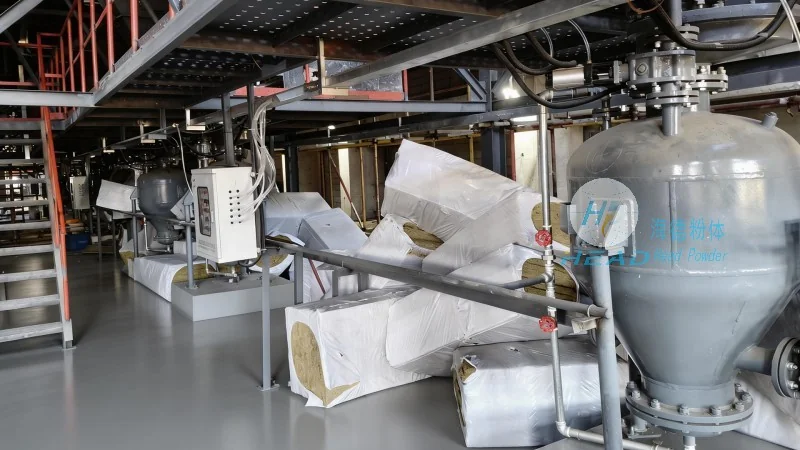
Advantages of Using a Graphite Material Pneumatic Conveying Machine
Implementing a graphite material pneumatic conveying machine offers several advantages over traditional material handling methods. First, it provides a dust-free environment, which is essential for maintaining workplace safety and compliance with environmental regulations. Unlike belt conveyors or bucket elevators, which can generate significant dust, pneumatic conveying systems keep the material contained within the pipeline, reducing the risk of inhalation hazards and contamination. Second, the system offers flexibility in layout, as the pipeline can be routed around obstacles or through different areas of a facility without the need for complex structural modifications. This flexibility is particularly beneficial in plants where space is limited or where the material handling route needs to be adjusted over time. Third, pneumatic conveying systems can handle a wide range of graphite forms, from fine powders to larger flakes or granules, without the need for additional processing steps. The system's design can be tailored to accommodate different material characteristics, ensuring consistent performance. Fourth, the system is generally low maintenance compared to other equipment, as there are fewer moving parts exposed to the material, reducing the risk of wear and tear. Regular maintenance, such as cleaning the pipeline and checking the air source, is typically sufficient to keep the system operating efficiently.
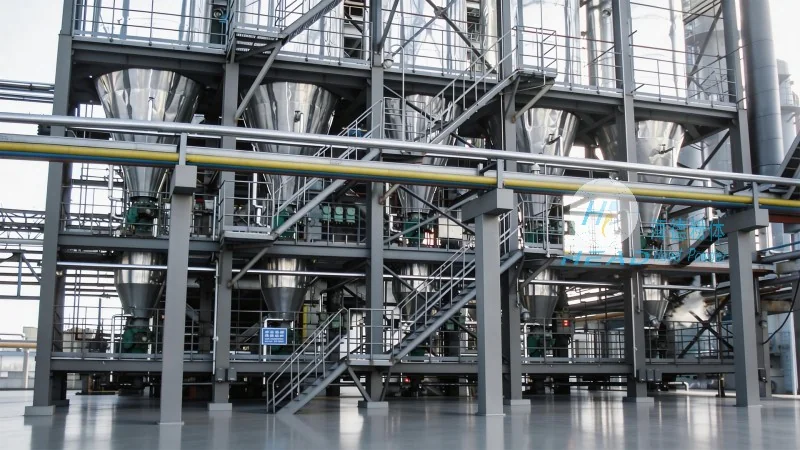
Applications of Graphite Material Pneumatic Conveying Machines
Graphite material pneumatic conveying machines are widely used in various industries that rely on graphite as a raw material or additive. In the battery industry, for example, these machines are used to transport graphite powders for lithium-ion battery production, where the material's purity and consistency are critical. The automotive industry also utilizes graphite for brake pads and other components, and pneumatic conveying systems ensure that the graphite is delivered to the production line without contamination. The steel and metal processing industries use graphite as a lubricant or refractory material, and the conveying system helps in transporting these materials to the processing equipment. Additionally, in the chemical and pharmaceutical industries, where graphite is used as a catalyst or additive, the dust-free and controlled environment of the pneumatic system is essential for maintaining product quality and safety. The versatility of the system makes it suitable for a wide range of applications, from small-scale laboratory use to large-scale industrial production.
Conclusion: Choosing the Right Graphite Material Pneumatic Conveying Machine
Selecting the appropriate graphite material pneumatic conveying machine requires careful consideration of the material's properties, the system's design, and the specific application requirements. The design principles, including the air-to-material ratio, pipeline design, and control mechanisms, are crucial for ensuring efficient and reliable operation. By understanding these principles and working with a reputable manufacturer like Shandong HeadPowder Engineering Co., Ltd., industries can select a system that meets their needs while maximizing performance and safety. The advantages of dust-free operation, flexibility, and material handling versatility make pneumatic conveying an attractive option for graphite material transport, and with proper design and maintenance, these systems can provide long-term benefits for any facility.