

Choosing Between Positive Pressure and Negative Pressure for Heavy Calcium Powder Pneumatic Conveyin
When it comes to transporting heavy calcium powder via pneumatic conveying systems, the choice between positive pressure and negative pressure methods is a critical decision that impacts efficiency, cost, and operational safety. This article aims to provide a clear understanding of the differences between these two approaches, helping industrial operators and engineers make informed choices for their specific applications.
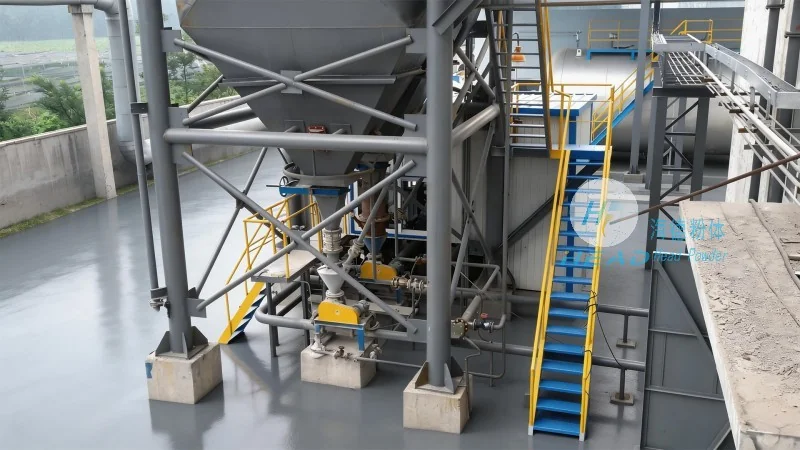
Understanding Pneumatic Conveying Systems
Pneumatic conveying is a method of transporting bulk materials like heavy calcium powder through a pipeline using air or other gases. The system can be categorized into two main types based on the pressure differential between the conveying line and the ambient environment: positive pressure and negative pressure systems. Each type has distinct characteristics, advantages, and limitations that make them suitable for different scenarios.
Differentiating Positive Pressure and Negative Pressure Conveying
Positive pressure pneumatic conveying operates by blowing air or gas into the conveying line, creating a pressure higher than the ambient air pressure. The material is then drawn into the line by the pressure differential and transported to the destination. This method is often referred to as "blowing" or "pressure-fed" conveying.
On the other hand, negative pressure (or vacuum) pneumatic conveying works by creating a vacuum in the conveying line, which draws the material from the source into the pipeline. The material is then carried by the air flow generated by the vacuum pump. This approach is commonly known as "suction" or "vacuum-fed" conveying.
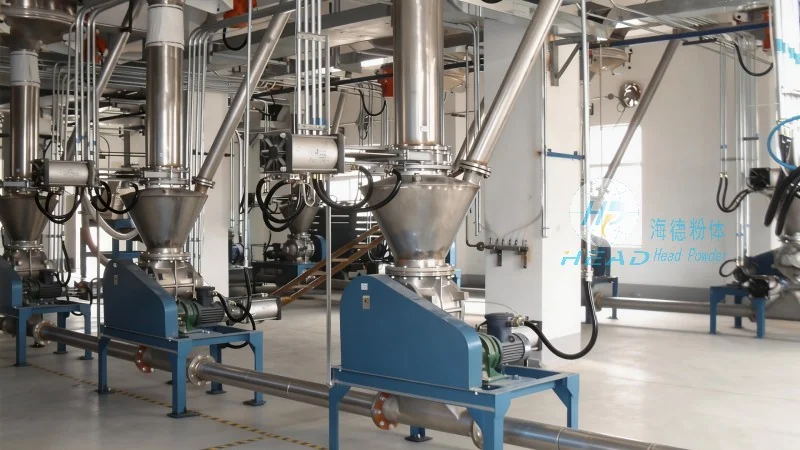
Key Differences Between Positive and Negative Pressure Systems
Several factors differentiate positive and negative pressure systems, including pressure requirements, material handling capabilities, and system complexity. Positive pressure systems typically require higher air volume and pressure, which can lead to higher energy consumption but may offer better material flow control and higher conveying distances. Negative pressure systems, while generally consuming less energy for the same material volume, may have limitations in terms of conveying distance and material handling capacity, especially for fine powders like heavy calcium powder.
Another critical difference is the impact on the environment and personnel. Positive pressure systems can release air and dust into the environment, requiring proper filtration and ventilation to ensure compliance with environmental regulations. Negative pressure systems, by contrast, draw air and dust into the system, which may require additional filtration to prevent contamination of the material or the surrounding area.
Applications and Suitability for Heavy Calcium Powder
The choice between positive and negative pressure for heavy calcium powder depends on several factors, including the material's properties, the distance to be conveyed, the required flow rate, and the available space for the system. Positive pressure systems are often preferred for long-distance conveying or when the material needs to be transported through multiple bends or obstacles. They are also suitable for applications where the material is sensitive to moisture or contamination, as the sealed system prevents external air from entering.
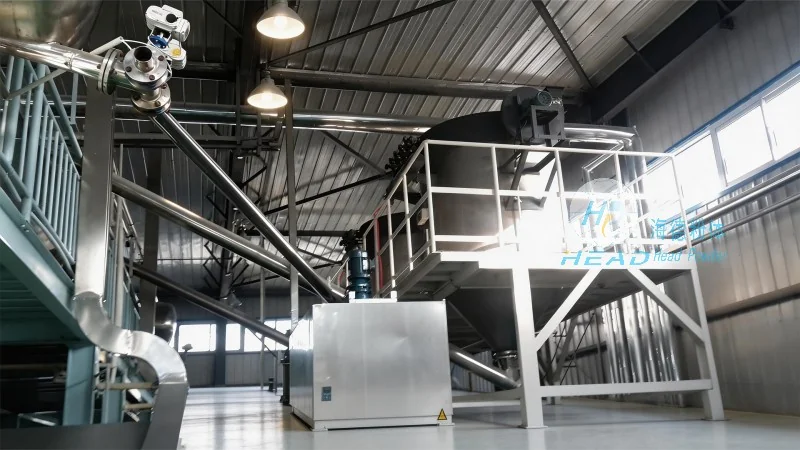
Negative pressure systems, however, may be more appropriate for short-distance conveying or when the material is to be collected from a large area, such as a warehouse or a storage silo. They are also beneficial when the system needs to be installed in a confined space or when the material is to be transferred from a high point to a lower point, as the vacuum can help in gravity-assisted conveying.
Factors to Consider When Choosing a System
When deciding between positive and negative pressure pneumatic conveying for heavy calcium powder, several key factors should be evaluated. First, the material's characteristics, such as particle size, moisture content, and abrasiveness, play a significant role. Fine powders like heavy calcium may require higher air velocity and pressure to prevent blockages or segregation in positive pressure systems, while negative pressure systems may need additional measures to prevent dust accumulation and ensure consistent flow.
Second, the conveying distance and layout of the system are important considerations. Longer distances typically favor positive pressure systems due to their ability to maintain higher pressure and overcome friction losses. Shorter distances or systems with multiple branches may benefit from negative pressure, as the vacuum can help in maintaining consistent flow without the need for high-pressure air.
Third, energy consumption and operational costs are critical factors. Positive pressure systems generally consume more energy due to the higher air volume and pressure required, while negative pressure systems may have lower energy costs but may require more maintenance for the vacuum pump and filtration systems.
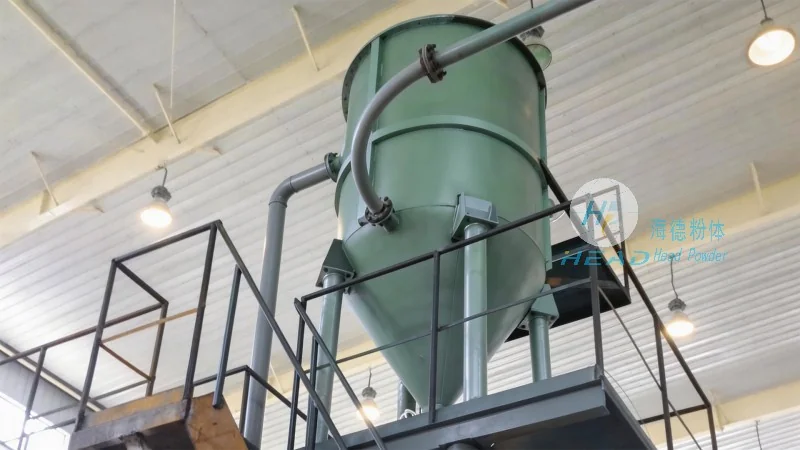
Fourth, safety and environmental regulations must be considered. Positive pressure systems may need to comply with regulations regarding air emissions and dust control, which can add to the overall cost and complexity. Negative pressure systems, while generally safer in terms of dust release, may require proper sealing to prevent air leakage and ensure the system operates within safe pressure limits.
Conclusion
Choosing between positive pressure and negative pressure pneumatic conveying for heavy calcium powder is a decision that requires careful evaluation of the system's requirements, material properties, and operational constraints. Positive pressure systems offer advantages in terms of higher conveying distances and better material flow control, while negative pressure systems provide benefits in terms of lower energy consumption and suitability for short-distance or confined space applications.
By understanding the differences between these two approaches and considering the specific needs of the application, industrial operators can select the most appropriate pneumatic conveying system to ensure efficient, safe, and cost-effective transportation of heavy calcium powder. Whether opting for a positive pressure or negative pressure system, the goal is to achieve optimal performance while meeting the demands of the production process and regulatory requirements.