With more than 10‑year industry experience, Shandong Headpowder delivers full‑service pneumatic‑conveying systems and blowers, undertaking nationwide turn‑key powder‑handling projects.
When it comes to transporting paddy grain efficiently and safely, selecting the right pneumatic conveying system is crucial. Two primary types of systems dominate the industry: positive pressure and negative pressure. Understanding the differences between these systems is essential for making an informed decision that aligns with operational needs and performance expectations. This article explores the key aspects of both positive and negative pressure pneumatic conveying for paddy grain, helping you distinguish between them and choose the optimal solution for your specific requirements.
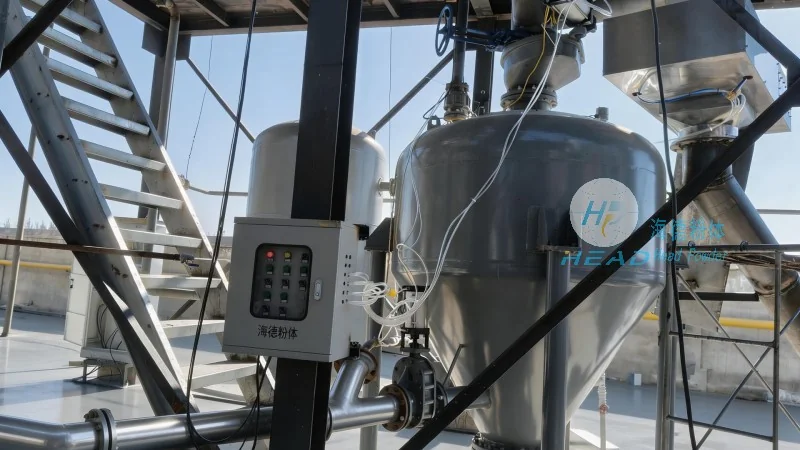
Paddy grain, with its unique characteristics such as moisture content and particle size, requires specialized handling to prevent damage and ensure consistent quality. Pneumatic conveying systems use air to transport bulk materials like paddy grain, offering advantages over traditional mechanical methods in terms of flexibility, hygiene, and reduced labor costs. The choice between positive and negative pressure systems depends on factors like material properties, system layout, and the desired level of control over the conveying process.
Positive pressure systems operate by blowing air into the conveying line, creating a pressure higher than the ambient air. This method is particularly effective for transporting paddy grain over longer distances or through complex layouts, as the positive pressure helps maintain material flow and prevents blockages. The system typically involves a blower or fan that generates the necessary pressure, and the material is drawn along the pipeline by the moving air. Positive pressure systems are often preferred for applications where the material needs to be conveyed from a central source to multiple destinations, as they can easily branch out to different locations.
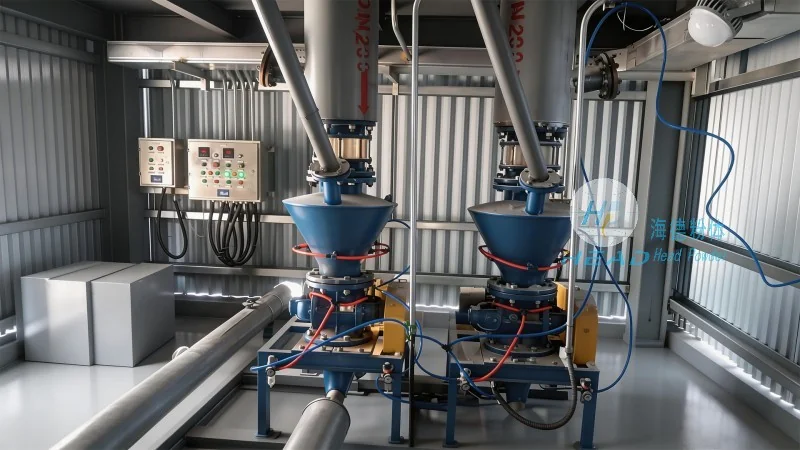
Negative pressure systems, on the other hand, create a vacuum or low pressure within the conveying line, drawing the material and air into the system. This approach is suitable for shorter conveying distances and applications where the material is to be collected from various points and brought to a central collection point. Negative pressure systems are generally more cost-effective for shorter runs and can be less complex to install compared to positive pressure systems. However, they may be less efficient for long-distance or high-volume conveying of paddy grain due to potential issues with material buildup and system maintenance.
Several key factors help in distinguishing between positive and negative pressure pneumatic conveying systems for paddy grain. First, consider the distance and layout of the conveying line. Positive pressure systems are better suited for longer distances and complex networks, while negative pressure systems are ideal for shorter runs and simpler layouts. Second, evaluate the material properties, such as moisture content and particle size, as these can affect the system's performance. Positive pressure systems may be more effective for handling materials with higher moisture content or larger particles, whereas negative pressure systems can handle finer materials more efficiently. Third, assess the operational requirements, including the need for multiple delivery points or centralized collection. Positive pressure systems excel in scenarios where material needs to be distributed to several locations, while negative pressure systems are suitable for collecting material from various sources and transporting it to a central point.
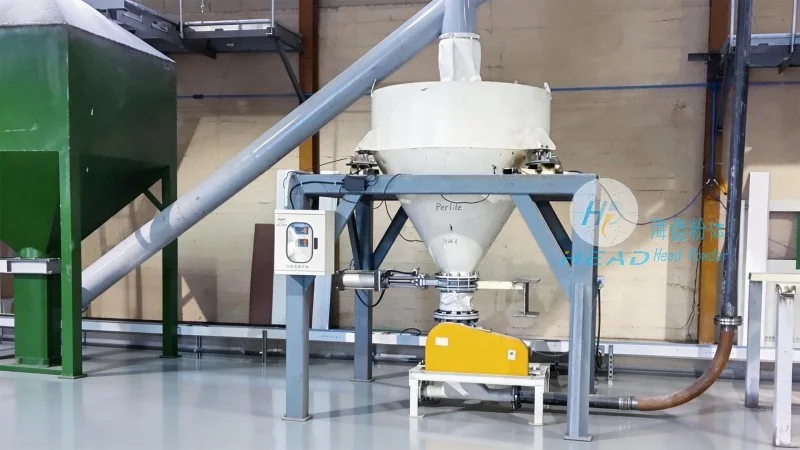
When deciding between positive and negative pressure pneumatic conveying for paddy grain, several factors must be taken into account. The first consideration is the conveying distance and the complexity of the system layout. Longer distances and intricate networks typically favor positive pressure systems due to their ability to maintain consistent flow and pressure. Conversely, shorter distances and simpler layouts are better suited for negative pressure systems, which are more straightforward to install and maintain. Second, the material characteristics play a significant role. Paddy grain's moisture content and particle size can impact the system's efficiency. Positive pressure systems are often preferred for materials with higher moisture content or larger particles, as they can handle these characteristics more effectively. Negative pressure systems, however, may be more efficient for finer materials, as the vacuum helps in drawing the material into the system without excessive pressure. Third, operational needs, such as the number of delivery points or the need for centralized collection, influence the choice. Positive pressure systems are ideal for distributing material to multiple locations, while negative pressure systems are suitable for collecting material from various sources and transporting it to a central point. Finally, cost and maintenance considerations are crucial. Positive pressure systems may have higher initial costs due to the need for robust blower systems, but they offer better long-term performance and reliability. Negative pressure systems, while more affordable initially, may require more frequent maintenance to prevent material buildup and ensure consistent operation.
Selecting the appropriate pneumatic conveying system for paddy grain is a critical decision that impacts operational efficiency, material quality, and overall cost-effectiveness. By understanding the differences between positive and negative pressure systems and considering factors such as distance, material properties, and operational requirements, you can make an informed choice that meets your specific needs. Whether you opt for a positive pressure system for its ability to handle longer distances and complex layouts or a negative pressure system for its simplicity and cost-effectiveness for shorter runs, the key is to align the system with your operational goals. Shandong HeadPowder Engineering Co., Ltd., a leading provider of pneumatic conveying solutions, offers a range of systems tailored to the unique requirements of paddy grain handling, ensuring optimal performance and reliability for your agricultural operations.

 Shandong Headpowder Engineering Co., Ltd.
 156-6277-7102(Manager Zhang)
  0531-83386006
  Zhangqiu District, Jinan City, Shandong Province, China
telephone
WeChatconsult
top