

Choosing Between Positive Pressure and Negative Pressure for Paper Chip Pneumatic Conveying: How to
When it comes to pneumatic conveying systems for paper chips, selecting the right pressure type—positive or negative—is a critical decision that impacts system efficiency, cost, and operational safety. Understanding the fundamental differences between these two approaches is essential for optimizing material handling processes in industrial settings. This article provides a detailed comparison of positive pressure and negative pressure systems, focusing on their applications, advantages, and key characteristics to help you make an informed choice.
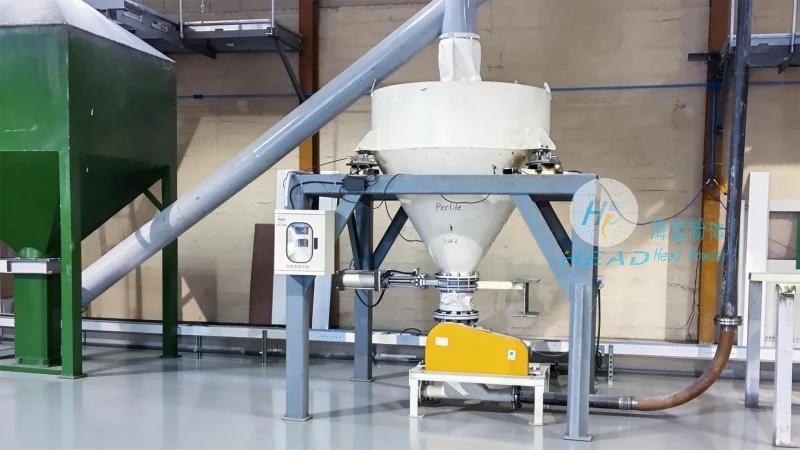
Introduction to Pneumatic Conveying Systems for Paper Chips
Pneumatic conveying is a method of transporting bulk materials like paper chips through a pipeline using air or gas as the conveying medium. It offers advantages such as reduced dust generation, lower maintenance compared to mechanical systems, and the ability to handle materials that are difficult to transport by other means. For paper chip applications, the choice between positive pressure and negative pressure systems depends on factors like material properties, system layout, and operational requirements.
Understanding Positive Pressure Pneumatic Conveying
Positive pressure systems operate by blowing air or gas into the conveying line, creating a pressure higher than the ambient air pressure. This pressurized air propels the material forward through the pipeline. In the context of paper chip handling, positive pressure systems are often preferred for applications requiring high material flow rates or long-distance transport. They are particularly effective when the material is lightweight and has low abrasiveness, as the high-pressure air can efficiently move the chips without causing excessive wear on the system components.
Key advantages of positive pressure systems include their ability to handle abrasive materials, their suitability for long-distance and high-capacity transport, and the fact that they can operate with fewer bends and fittings compared to negative pressure systems. However, they may require more robust equipment and higher energy consumption due to the need to maintain elevated pressure throughout the system.
Understanding Negative Pressure Pneumatic Conveying
Negative pressure systems, also known as vacuum systems, work by creating a vacuum in the conveying line, which draws the material into the pipeline. The air flow is directed from the material source into the vacuum system, pulling the chips along. Negative pressure systems are often chosen for applications where the material is sensitive to pressure or where the system layout involves multiple pick-up points or long horizontal runs.
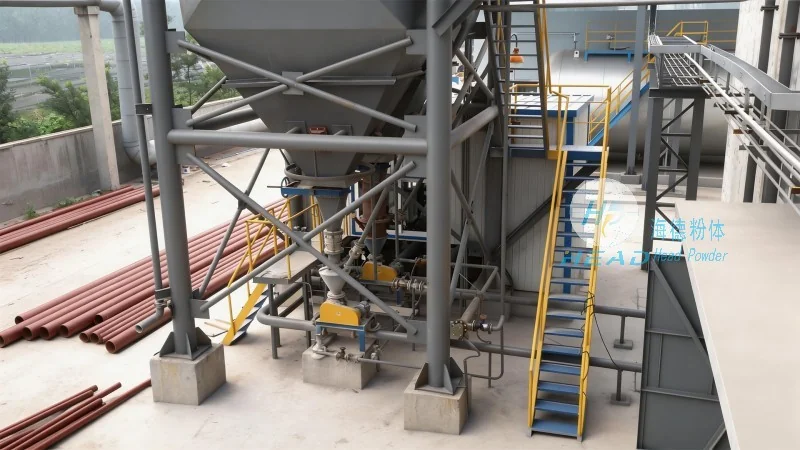
Advantages of negative pressure systems include lower energy consumption compared to positive pressure systems, as they only need to overcome the resistance of the material and the pipeline. They are also less likely to cause dust emissions at the material source, making them suitable for environments where dust control is a priority. However, negative pressure systems may have limitations in handling abrasive materials and can be more complex to design for long-distance transport due to the need to maintain consistent vacuum levels.
Distinguishing Between Positive and Negative Pressure Systems for Paper Chips
When evaluating the two systems for paper chip pneumatic conveying, several factors should be considered to determine which approach is more suitable. The first consideration is the material's physical properties, such as density, moisture content, and abrasiveness. Positive pressure systems are generally better suited for handling abrasive or high-density materials, as the high-pressure air can effectively move them without causing excessive wear. In contrast, negative pressure systems are often preferred for lightweight, low-abrasion materials where dust control is critical.
System layout and distance are another key factor. Positive pressure systems are ideal for short to medium distances and when the material is to be discharged at a single point. They can handle long horizontal runs with fewer pressure drops, making them suitable for industrial facilities with limited space. Negative pressure systems, on the other hand, are better for applications requiring multiple pick-up points or long horizontal distances, as the vacuum can be maintained more effectively over longer runs.
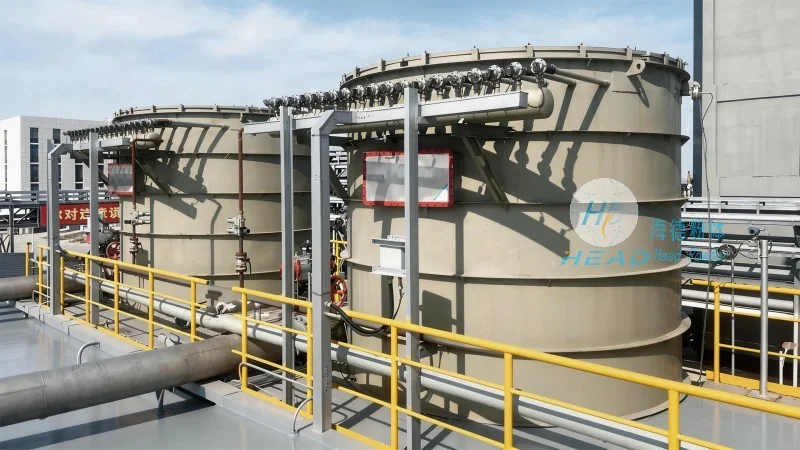
Operational requirements, such as the need for dust control or environmental regulations, also play a role. Negative pressure systems excel in environments where dust emissions must be minimized, as the material is drawn into the system rather than being expelled. Positive pressure systems may require additional filtration or dust collection equipment to comply with environmental standards, especially when handling fine or powdery paper chips.
Key Considerations for Choosing the Right System
Choosing between positive and negative pressure pneumatic conveying for paper chips involves a careful assessment of the specific application's needs. It is essential to consider not only the material properties and system layout but also the overall cost of ownership, including energy consumption, maintenance requirements, and equipment durability. Consulting with industry experts, such as Shandong HeadPowder Engineering Co., Ltd., can provide valuable insights into the most suitable system for your particular operation.
Shandong HeadPowder Engineering Co., Ltd., a leading provider of pneumatic conveying solutions, specializes in designing and manufacturing systems tailored to the unique requirements of paper chip handling. With years of experience in the industry, they offer customized solutions that balance efficiency, cost, and operational safety. Their expertise in both positive and negative pressure systems ensures that clients receive the most appropriate technology for their specific needs, whether it involves high-capacity transport or dust control.
Conclusion
Ultimately, the choice between positive and negative pressure pneumatic conveying for paper chips depends on a combination of factors, including material characteristics, system design, and operational priorities. By understanding the advantages and limitations of each approach, you can select the system that best meets your industrial requirements. Whether you opt for the robust performance of positive pressure or the energy-efficient operation of negative pressure, a well-designed system can significantly improve material handling efficiency and reduce operational costs.