

What is a Vinyl Ester Resin Material Pneumatic Conveying Line? What are its Design Principles?
Understanding the Vinyl Ester Resin Material Pneumatic Conveying Line and Its Design Principles
Introduction to Vinyl Ester Resin Material Pneumatic Conveying Systems
For industries dealing with vinyl ester resin materials, efficient material handling is crucial. A pneumatic conveying line is a sophisticated system designed to transport these materials through a network of pipes using air or other gas streams. This method offers a clean, dust-free, and continuous way to move resin powders or pellets from one location to another, enhancing operational efficiency and safety. The system is particularly valuable in applications where traditional mechanical conveyors may not be suitable due to the material's properties or the need for a more hygienic environment. Such systems are often provided by companies like Shandong HeadPowder Engineering Co., Ltd., which specializes in engineering solutions for material handling in various industrial sectors.
Key Components of a Vinyl Ester Resin Pneumatic Conveying Line
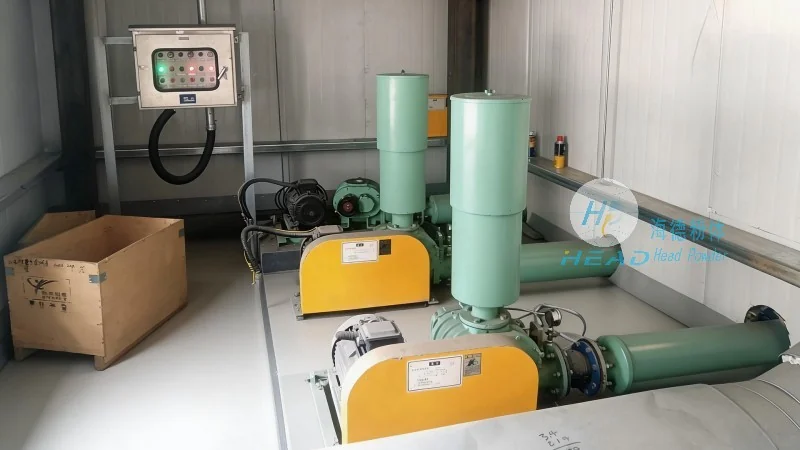
The design of a vinyl ester resin material pneumatic conveying line involves several critical components that work in tandem to ensure effective material transport. These components include the hopper or feeder, which holds the resin material and controls the flow rate; the air compressor or blower, which generates the necessary air pressure to move the material; the conveying line itself, typically made of materials resistant to the resin's chemical properties; and the receiver or discharge hopper, where the material is deposited at the destination. Each component must be carefully selected and sized to match the specific characteristics of the vinyl ester resin, such as its particle size, moisture content, and chemical reactivity.
Design Principles for Optimal Performance
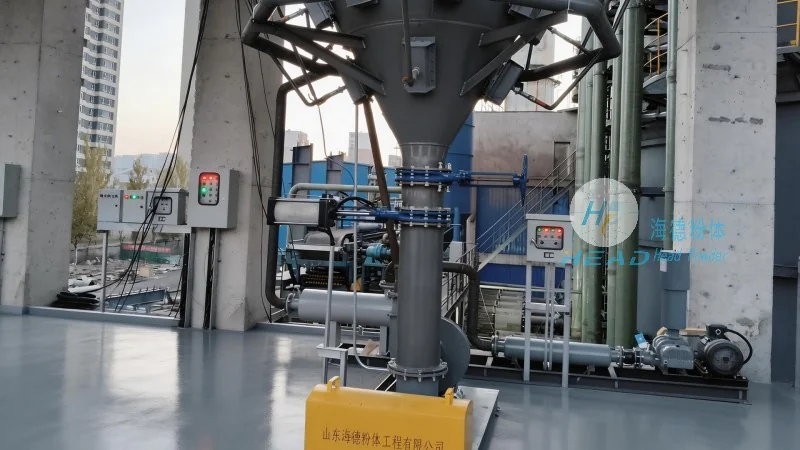
The design principles of a vinyl ester resin pneumatic conveying line are centered on maximizing efficiency, minimizing material degradation, and ensuring system reliability. One key principle is the selection of the appropriate conveying velocity, which must be high enough to prevent material settling in the pipes but low enough to avoid excessive wear on the system components. The velocity is often determined by the material's properties, such as its density and flowability, and is typically calculated based on the system's pressure drop and flow rate requirements. Another critical design principle is the use of appropriate pipe diameters and bends, as these affect the pressure drop and the risk of material blockages. The system must also be designed to handle variations in material flow, such as changes in feed rate or moisture content, to maintain consistent performance. Additionally, the system's control mechanisms, including pressure sensors and flow meters, are essential for monitoring and adjusting the conveying process in real-time, ensuring that the line operates within optimal parameters.
Material Handling Considerations for Vinyl Ester Resin
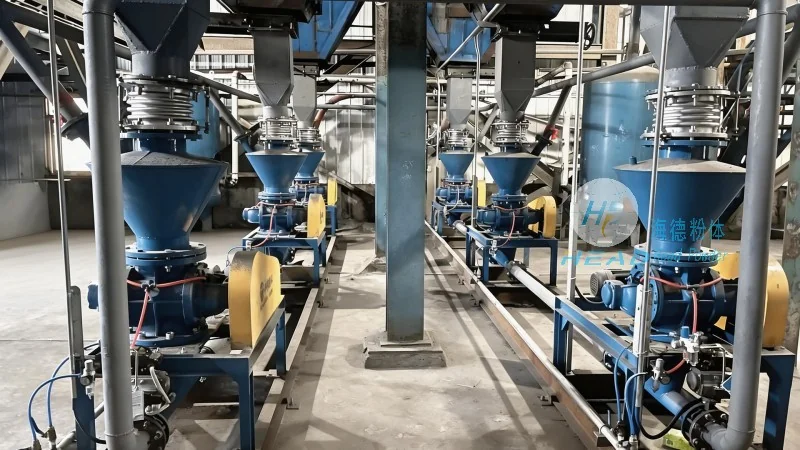
When designing a pneumatic conveying line for vinyl ester resin, several material-specific considerations must be addressed. Vinyl ester resins are known for their chemical resistance and ability to cure into durable composites, but they can also be sensitive to moisture and temperature. Therefore, the system must be designed to minimize exposure to these factors. For example, the hopper and feeder may be equipped with moisture barriers or heating elements to prevent moisture absorption, which could affect the resin's quality. The air used in the conveying process should also be filtered to remove contaminants that could degrade the resin or clog the system. Furthermore, the material's flowability is a critical factor; if the resin is prone to bridging or caking, the system may need to incorporate vibrators or agitators to maintain consistent flow. The design must also account for the resin's potential to generate static electricity, which could cause material buildup or spark hazards. Proper grounding and anti-static measures are therefore essential components of the system's design.
System Integration and Maintenance
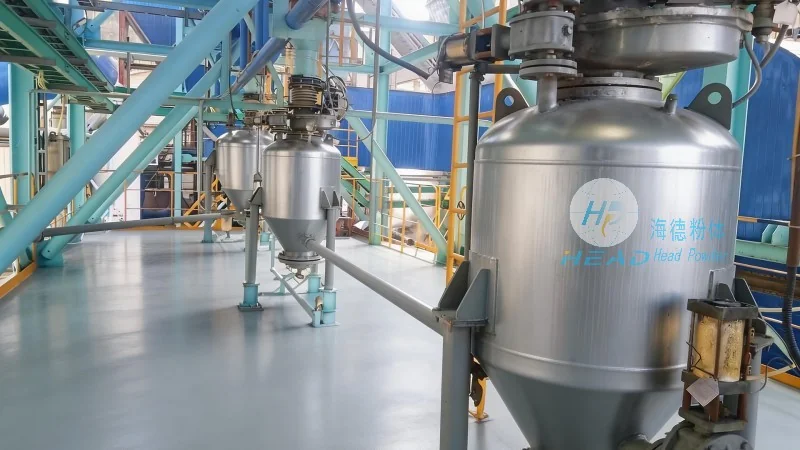
Integrating a vinyl ester resin material pneumatic conveying line into an existing production facility requires careful planning to ensure seamless operation. The system must be compatible with the existing equipment, such as mixing units or processing machines, and must be able to interface with the facility's control systems. This integration often involves coordinating the flow rates and timing of material transport with other production processes to avoid bottlenecks or overloading. Maintenance is another critical aspect of the system's design, as regular upkeep is necessary to ensure long-term reliability. The system should include features that facilitate easy cleaning and inspection, such as removable pipe sections or access panels. Regular maintenance tasks may include checking air compressor performance, cleaning filters, and inspecting for wear on components like the feeder or hopper. By incorporating these maintenance considerations into the design, the system can be kept in optimal condition, reducing downtime and extending its operational life.
Conclusion: The Importance of a Well-Designed Pneumatic Conveying Line
A well-designed vinyl ester resin material pneumatic conveying line is a vital asset for any facility handling these materials. By adhering to the design principles outlined above, manufacturers can ensure that the system operates efficiently, safely, and reliably, meeting the demands of modern production environments. The system's ability to provide a clean, continuous, and controlled method of material transport not only enhances productivity but also contributes to a safer working environment. As industries continue to rely on vinyl ester resins for their high-performance applications, the importance of a properly designed pneumatic conveying line will only grow, making it an essential component of any successful material handling strategy. Shandong HeadPowder Engineering Co., Ltd., based in Shandong, China, exemplifies the expertise required to deliver such systems, combining engineering knowledge with practical application to meet the diverse needs of clients in the resin processing industry.