With more than 10‑year industry experience, Shandong Headpowder delivers full‑service pneumatic‑conveying systems and blowers, undertaking nationwide turn‑key powder‑handling projects.
HeadPowder, a leading engineering firm based in Shandong, China, specializes in the design and implementation of advanced material handling solutions, including sophisticated pneumatic conveying systems for sodium fluorosilicate. This technical analysis delves into the operational principles, advantages, and practical considerations of two primary delivery modes—positive pressure and negative pressure systems—providing a comprehensive comparison to aid industrial decision-makers in selecting the most suitable approach for their sodium fluorosilicate handling needs.
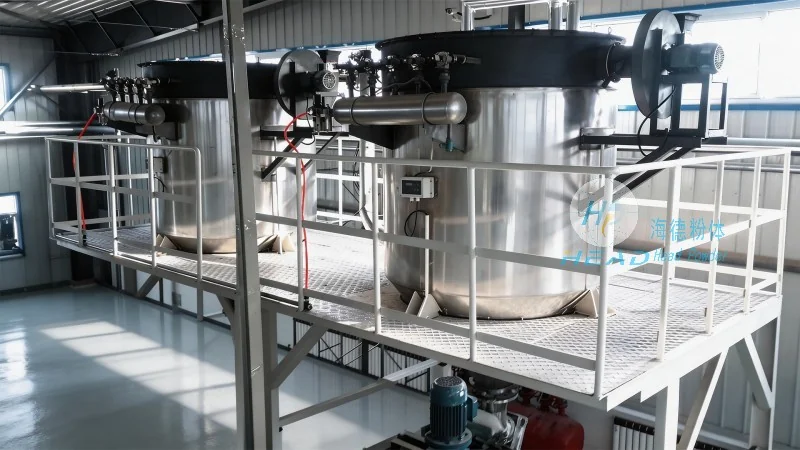
Sodium fluorosilicate is a critical industrial chemical widely used in glass manufacturing, water treatment, and other applications. Its handling requires efficient and reliable systems to ensure product integrity and operational safety. Pneumatic conveying systems offer a non-contact, closed-loop method for transporting bulk materials like sodium fluorosilicate, minimizing contamination and dust exposure. The choice between positive pressure and negative pressure delivery modes significantly impacts system efficiency, cost, and maintenance requirements.
Positive pressure systems, also known as pressure conveying, operate by blowing air or a carrier gas into the conveying line, creating a pressure higher than the ambient environment. This method is particularly effective for transporting sodium fluorosilicate over long distances or through complex piping networks. The primary advantage of positive pressure systems is their ability to handle high material loads and maintain consistent flow rates, even with varying particle sizes or moisture content. Additionally, these systems are generally more resistant to blockages and can accommodate larger particles compared to negative pressure alternatives.
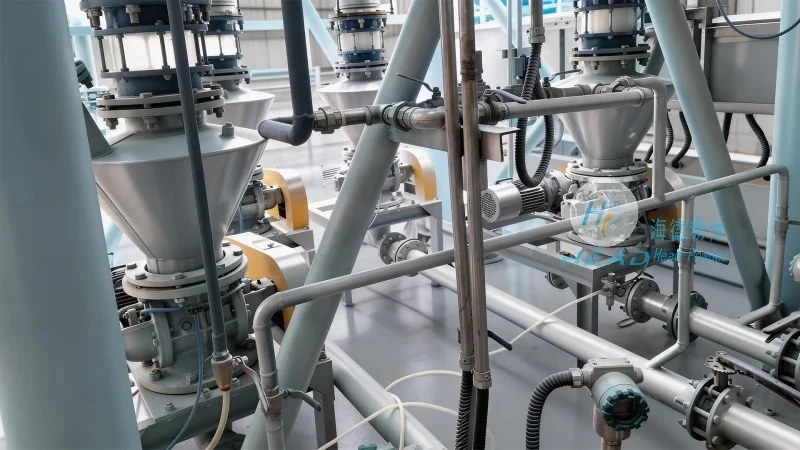
From an operational perspective, positive pressure systems typically require robust air compressors and filtration systems to ensure clean air delivery. The higher pressure also necessitates more durable piping and components, which may increase initial capital costs. However, the efficiency gains in material throughput and reduced downtime often justify these investments. HeadPowder’s engineering expertise ensures that positive pressure systems are optimized for sodium fluorosilicate, balancing performance with cost-effectiveness.
Negative pressure systems, or vacuum conveying, rely on creating a vacuum in the conveying line to draw material from the source. This approach is ideal for short to medium-distance transport and applications where material is stored in hoppers or silos. The key benefits of negative pressure systems include lower energy consumption compared to positive pressure, as they do not require high-pressure air compressors. Additionally, the vacuum environment helps in controlling dust emissions, making them suitable for applications with strict environmental regulations.
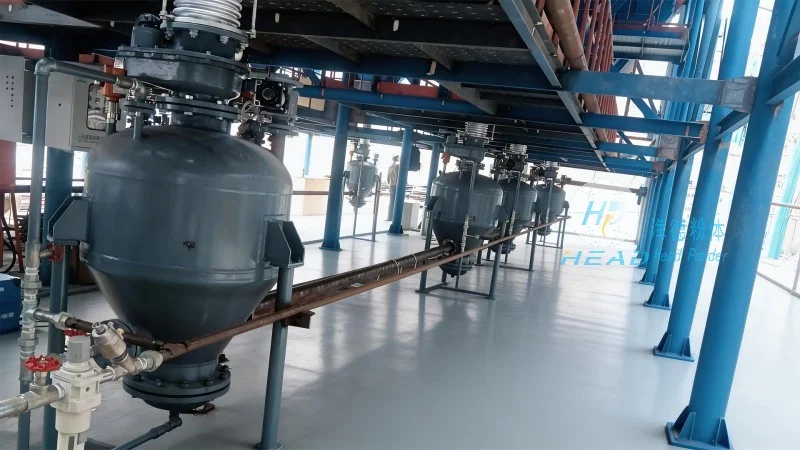
However, negative pressure systems have limitations, particularly when handling sodium fluorosilicate with high moisture content or fine particles. The vacuum can cause material to stick to the pipe walls, leading to blockages and reduced system efficiency. Moreover, the lower pressure may not be sufficient for long-distance transport or when dealing with large quantities of material. These challenges require careful system design and regular maintenance to prevent operational issues.
The selection between positive and negative pressure pneumatic conveying systems for sodium fluorosilicate depends on several factors, including the distance between the source and destination, material characteristics, and operational requirements. For instance, if the transport distance exceeds 100 meters or involves multiple bends and changes in elevation, a positive pressure system is often preferred due to its superior flow control and resistance to blockages. Conversely, for shorter distances or applications where energy efficiency is a top priority, negative pressure systems may be more suitable.
Material characteristics, such as particle size, moisture content, and flowability, also play a critical role. Sodium fluorosilicate particles are typically fine and can be prone to agglomeration, which may affect the performance of both systems. Positive pressure systems may require additional equipment like rotary air locks or cyclones to prevent material buildup, while negative pressure systems might need pre-drying or conditioning to improve flow properties.
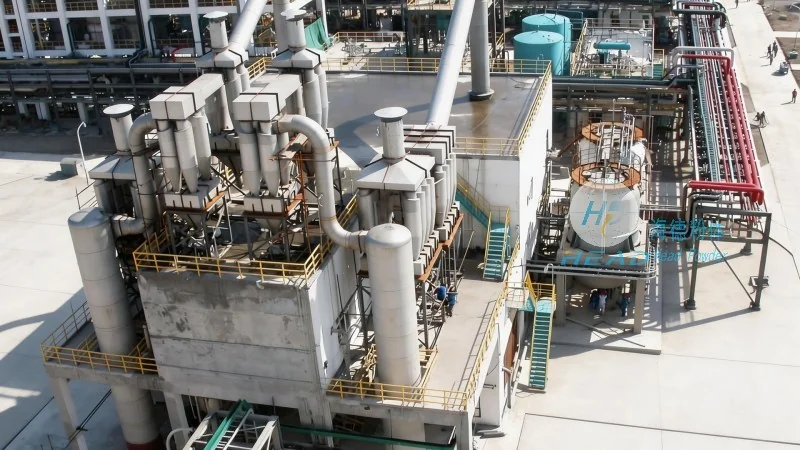
Operational factors, including maintenance schedules and system availability, should also be considered. Positive pressure systems generally have higher maintenance requirements due to the wear and tear on high-pressure components, whereas negative pressure systems may experience more frequent filter changes and vacuum pump maintenance. HeadPowder’s technical team conducts thorough assessments to evaluate these factors and recommend the optimal delivery mode for each client’s specific sodium fluorosilicate handling scenario.
Both positive pressure and negative pressure pneumatic conveying systems offer viable options for handling sodium fluorosilicate, each with distinct advantages and limitations. The choice ultimately hinges on balancing operational efficiency, cost, and material characteristics. HeadPowder, with its extensive experience in material handling engineering, provides customized solutions that integrate the most appropriate delivery mode for sodium fluorosilicate applications. By leveraging advanced technology and expert design, HeadPowder ensures that clients achieve reliable, efficient, and cost-effective material transport, meeting the stringent demands of industrial processes.

 Shandong Headpowder Engineering Co., Ltd.
 156-6277-7102(Manager Zhang)
  0531-83386006
  Zhangqiu District, Jinan City, Shandong Province, China
telephone
WeChatconsult
top